
Article: Foot-and-mouth disease in horses – what you should know now
Foot-and-mouth disease in horses – what you should know now
Foot-and-mouth disease is causing great concern for many horse owners. As soon as an outbreak of this highly contagious animal disease is reported, numerous questions arise: Are horses even affected? Is there a risk to equestrian sports? What restrictions apply to stables, transport, and trade? And what constitutes effective hygiene management to protect animals?
In this blog post you will find clear answers, explained in an easy-to-understand way and with a focus on practical application. Especially when dealing with sensitive topics like foot-and-mouth disease, it is important to remain objective while simultaneously conveying reassurance.
What is foot-and-mouth disease?
Foot-and-mouth disease, also known as FMD, is a highly contagious viral disease. It is caused by the FMD virus, which primarily affects cloven-hoofed animals and other even-toed ungulates. These include cattle, pigs, sheep, goats, buffalo, and various wild animals such as wild boar or even giraffes.
The disease is feared worldwide because it can spread extremely rapidly and causes significant economic damage. Livestock on farms are particularly affected, as it often leads to decreased milk production, reduced performance, and trade restrictions. Meat, milk, and raw milk are also subject to strict regulations in the event of an outbreak.
Are horses affected by foot-and-mouth disease?
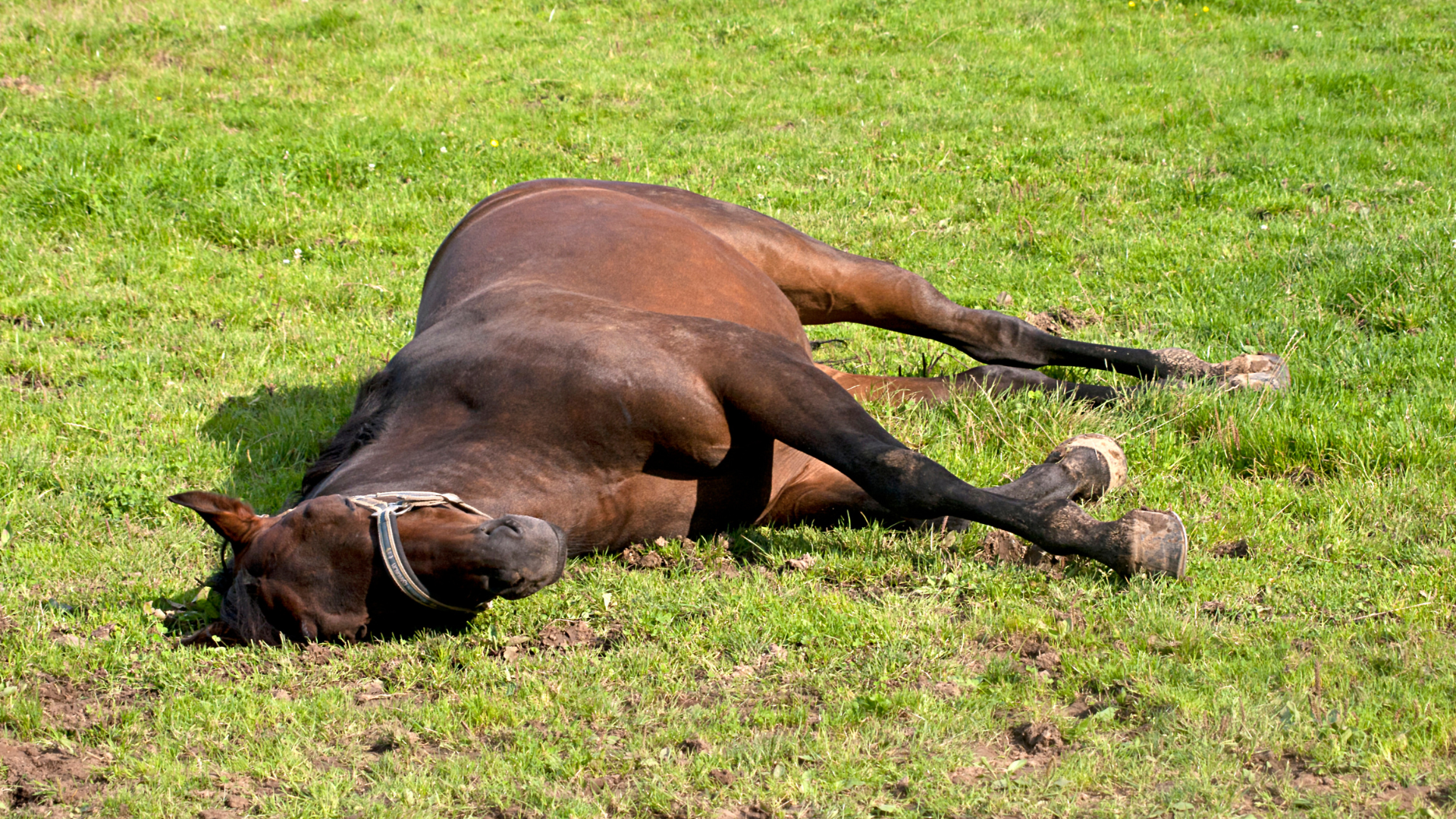
Here's an important piece of reassurance: Horses are equids and not cloven-hoofed animals. Therefore, they are not among the classic hosts of the foot-and-mouth disease virus. According to current scientific understanding, direct infection of horses with foot-and-mouth disease is considered extremely unlikely.
Nevertheless, horses do play a role in connection with foot-and-mouth disease. While they cannot become ill themselves, they can indirectly contribute to the introduction or transmission of the virus. This is precisely the risk that horse owners and equestrian facilities should take seriously.
Transmission routes and potential dangers
The foot-and-mouth disease virus is extremely resilient and can be transmitted in many ways. The most important transmission routes include direct contact with animals, contaminated clothing, shoes, blankets, vehicles, or equipment. Manure, slurry, feed, goods, and means of transport can also spread the virus. Foot-and-mouth disease can also be transmitted indirectly via people, vehicles, and contaminated materials. For example, at competitions, in riding stables, or during transport abroad, horse owners encounter other farms, regions, or even countries like Austria, Hungary, or Slovakia. This increases the risk of unintentional spread, even if the horse itself remains healthy.
Even dogs, humans, or wild animals can transmit the virus mechanically without becoming ill themselves. That's why biosecurity measures are so important in the equine sector.

Symptoms in affected animals
In infected cloven-hoofed animals, foot-and-mouth disease manifests itself through typical symptoms. These include blisters in the mouth, on the lips, on the inner surface of the oral mucosa, on the teats, or on the hooves. The blisters can be painful and rupture, leading to lameness and loss of appetite.
In severe cases, there is a significant decrease in milk production, fever, and general weakness. Young animals are particularly at risk. These symptoms do not occur in horses; however, it is important to be aware of them in order to correctly assess potential contact with affected animal species.
Measures in the event of an outbreak
If a confirmed case or outbreak occurs, extensive measures are implemented. These include quarantine zones, transport bans, import restrictions, and trade limitations. Entire regions or even countries can be affected, including Germany or individual states like Brandenburg.
For horse owners, this often means that equestrian sports are restricted or temporarily prohibited. Tournaments are canceled, changes of stable are forbidden, and contact with other stables is strictly regulated. These measures serve to protect all animals and prevent further spread of the virus.
Hygiene management and biosecurity measures in everyday horse care
Good hygiene management is key to prevention. Even if your horse cannot contract FMD, as a horse owner you bear responsibility for the animals in your environment.
This includes regularly changing and cleaning clothing and shoes, especially after contact with other farms or livestock. Blankets, halters, and equipment should not be shared. Vehicles and trailers must be kept clean and disinfected as needed.
Exercise particular caution when traveling abroad, for example to Hungary, Austria, or Slovakia. Check the current epidemic situation beforehand and strictly adhere to the recommendations and guidelines of the authorities.
Role of people and organizations
Humans themselves very rarely contract foot-and-mouth disease, but they can transmit the virus. That's why education is so important. Organizations like the German Equestrian Federation regularly issue recommendations for horse owners, businesses, and equestrian sports.
These answers and recommendations will help you react calmly and correctly in an emergency. They are based on current knowledge and take into account both animal welfare and the practical challenges of everyday stable life.
Frequently asked questions from horse owners
Many horse owners are worried about whether they can continue exercising their animals or whether contact with other horses is dangerous. Generally speaking, as long as there are no official restrictions, normal handling is permitted. In the event of an outbreak in the region, you should reduce contact and manage your stable with particular care.
The question of transmission via feed, hay, or bedding also frequently arises. Caution is advised here, especially if the goods originate from affected regions. Transparency in trade and clear information about origin are crucial.
Why prevention is so important
Foot-and-mouth disease is a disease that can have a huge impact on animal husbandry. Even if horses themselves don't get sick, they are part of the overall ecosystem. By acting responsibly, you can actively help prevent the disease from being introduced.
Cleanliness, attentiveness, and taking recommendations seriously not only protect your own animals, but also cattle, pigs, sheep, goats, and wild cloven-hoofed animals. In this way, you take responsibility for the welfare of all animals and for the stability of farms both at home and abroad.
Conclusion: Vigilance instead of panic
Foot-and-mouth disease in horses is primarily a matter of prevention and information. Panic is unnecessary, but vigilance is essential. If you understand the transmission routes, consistently implement hygiene measures, and follow current guidelines, you will be well prepared.
Please share this knowledge with other horse owners. The better informed we all are, the lower the risk to our animals. That's what it's all about: safety, responsibility, and feeling good about handling your horse.