
Colic in horses – causes, symptoms and what you can do in an emergency
Colic in horses is one of the most frightening topics for many horse owners, and rightly so. Hardly any other equine illness appears so suddenly, progresses so unpredictably, and can become so dangerous in severe cases. Colic is not a single disease, but rather a collective term for painful conditions in the horse's gastrointestinal tract. It affects the sensitive digestive system, specifically the stomach, small intestine, large intestine, and the entire abdominal cavity.
In this article, we'll guide you through the process and explain clearly what colic in horses is, its causes, how to recognize the signs, what to do in an emergency, and the role of feeding, exercise, and management. We'll present the information factually, with empathy, and in a way that will make you feel more confident as a horse owner.
What exactly does colic mean in horses?
The term colic describes pain in the gastrointestinal tract. It is not a single disease, but rather a collective term for various illnesses and conditions in the abdominal cavity. These can affect the stomach, the small intestine, the large intestine, or the entire abdominal cavity.
Colic in horses is so insidious because the equine digestive tract has unique anatomical features. Horses are continuous grazers with a relatively small stomach, a very long intestine, and sensitive digestive processes. Even minor changes can cause major problems.
Why is colic one of the most common equine diseases?
Almost every horse owner experiences colic in their horse at some point – whether in a mild form or as an acute emergency. This is partly due to the fact that horses in nature graze almost continuously on small amounts of grass and move around a lot. However, in modern horse husbandry, different conditions often come into play:
• limited movement
• low-fiber feed
• Feeding errors
• rapid feed changes
• Stress
• Limited access to water
All of this can throw the sensitive gastrointestinal tract out of balance and promote digestive disorders.
The horse's gastrointestinal tract – a sensitive area
To better understand colic, it's helpful to look at the horse's gastrointestinal tract. The stomach is very small relative to the horse's body size, holding only about 15 to 20 liters. It's not designed to hold large amounts of feed at once. If too much feed enters the stomach at once, it can lead to gastric overload.
The small intestine is about 20 meters long and is responsible for nutrient absorption. It is followed by the large intestine, where microorganisms break down crude fiber from grass and hay. The majority of the intestinal contents are located here. Problems such as constipation, fermentation, or intestinal tract obstructions frequently occur in the large intestine.
What types of E. coli are there?
Depending on the cause and affected area, different types of colic are distinguished. Each type has its own characteristics, symptoms, and progression. As a horse owner, it's important for you to know that every form must be taken seriously. The most common types of colic are impaction colic, gas colic, spasmodic colic, sand colic, intestinal torsion, intestinal volvulus, and gastric overload.
impaction colic
Impaction colic is one of the most common forms of colic in horses. It involves a buildup of food in the intestines, often in the large intestine. Causes can include insufficient water intake, dry feed, lack of exercise, or an unsuitable diet. The intestinal contents become hard, the intestines can no longer move properly, and abdominal pain results.
Gas colic
Gas colic occurs when excessive gas builds up in the intestines. This leads to painful stretching of the intestinal wall. This type of colic often occurs in connection with changes in feed, fresh grass during the grazing season, or fermenting feed.
spasmodic colic
Spasmodic colic is characterized by severe, very painful cramps in the gastrointestinal tract. It often follows a wave-like pattern, with periods of pain and short periods of respite. Causes can include stress, feeding errors, or sudden changes.
Gastric overload and gastric congestion
Gastric overload occurs when a horse's stomach is filled with too much food. Since horses cannot vomit, this condition is particularly dangerous. Gastric overload can cause severe pain and, in the worst case, be life-threatening.
Intestinal torsion and obstruction
Intestinal torsion, twisting, or obstruction are among the most severe forms of colic and are life-threatening conditions requiring immediate action. In these cases, the intestine twists or becomes blocked at a certain point. Blood flow can be impaired, leading to serious damage. These cases are always an absolute emergency and require immediate veterinary care.
Recognizing colic signs – typical symptoms in horses
The symptoms of colic in horses can vary greatly, ranging from mild discomfort to severe pain. Some horses show clear symptoms, while others initially appear only slightly restless. It's important that you know your horse well and take any changes in its behavior seriously.
Typical signs of colic in horses are:
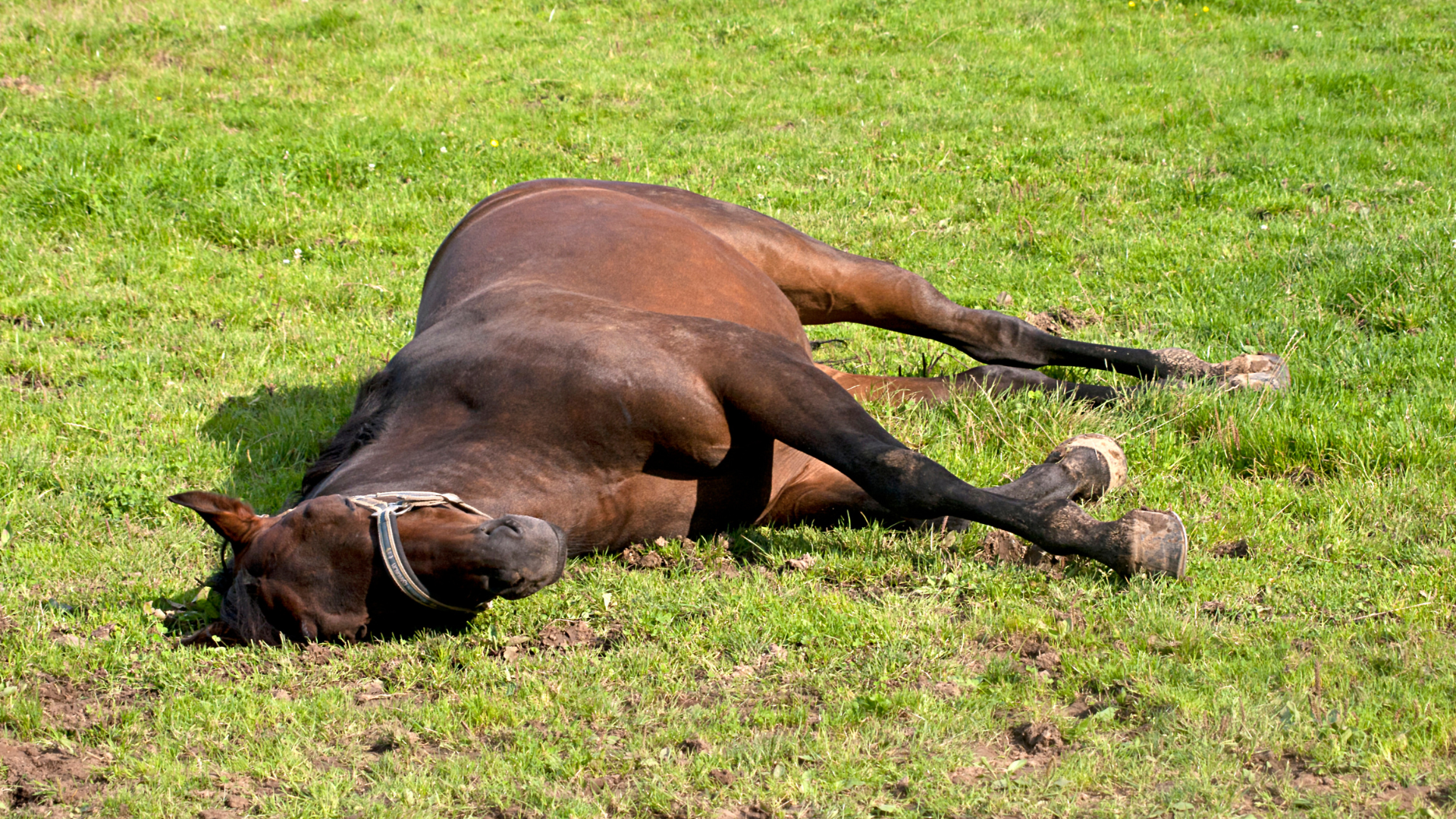
• Restlessness and frequent lying down
• Rolling or attempting to roll
• Pawing with the front hooves
• Looking at the stomach or kicking the stomach
• Sweating without physical exertion
• Increased pulse and accelerated breathing
• Loss of appetite
• Bloated stomach
• Cramps
• Apathy or discomfort
Not every horse shows all the signs. Especially mild colic is often underestimated. If you suspect your horse has abdominal pain, you should always remain vigilant.
Colic in horses – an emergency?
Yes. Every colic attack is initially an emergency until proven otherwise. Even if the symptoms seem mild, the condition can deteriorate rapidly. Therefore, it's always better to contact the veterinarian too often than not often enough.
Veterinarians decide on the next steps based on examination, pulse, bowel sounds, temperature, and, if necessary, laboratory results such as PAT values. The earlier treatment begins, the better the chances of success.
Causes of colic in horses
The causes of colic in horses are varied. Often, several factors play a role.
Feeding and feeding errors
Horse feeding is one of the most important factors when it comes to colic. Common causes include:
• Too large a quantity of food at once
• too little roughage
• inferior or moldy food
• Too rapid a change in diet
• too much concentrated feed
• insufficient water intake
Sudden changes in feed, for example when grazing during the grazing season, put a great strain on the gastrointestinal tract.
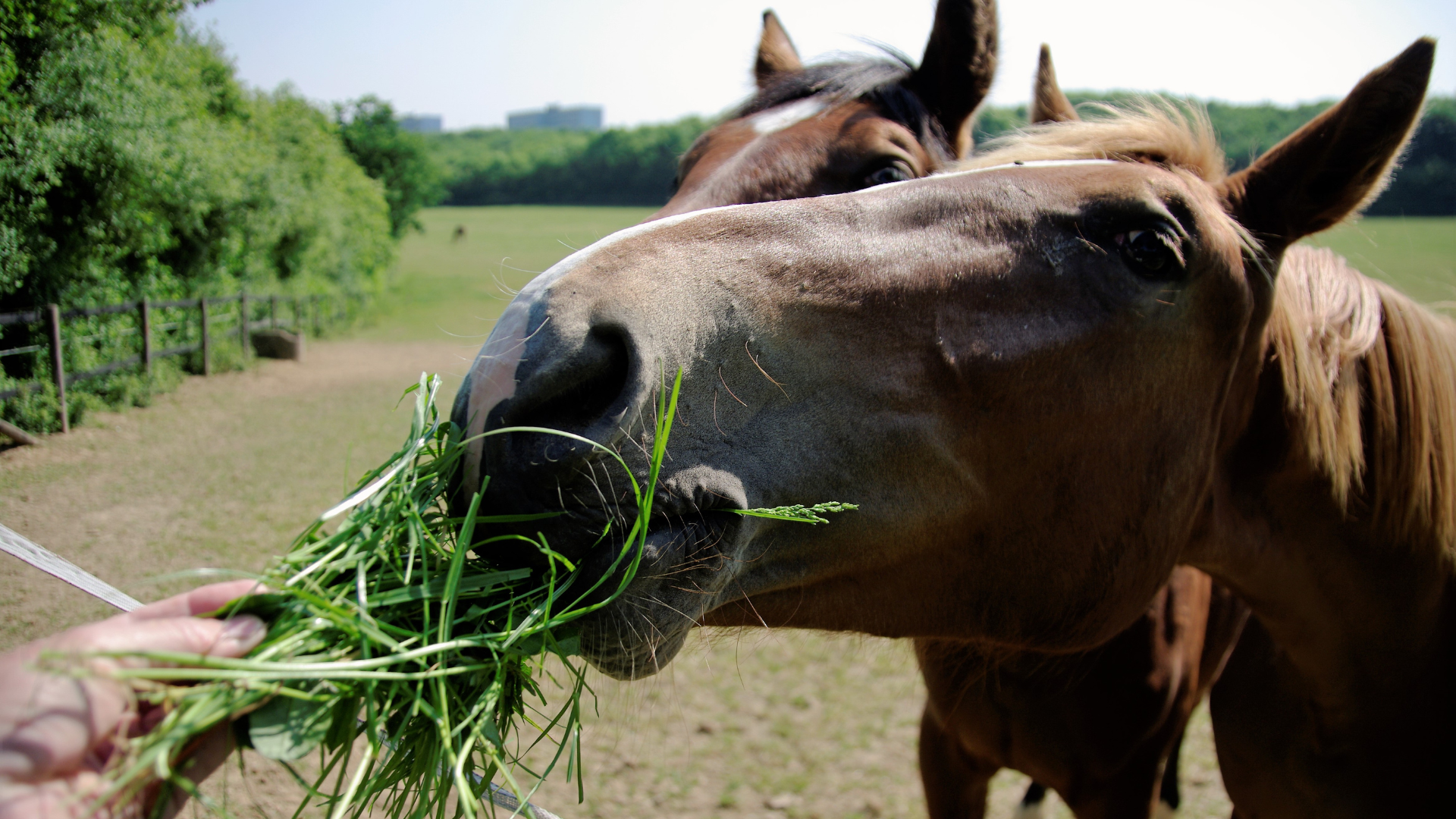
Grass and grazing season
Fresh grass contains a lot of sugar and can quickly lead to digestive problems in inexperienced horses. Particular caution is advised in spring and autumn when grass availability varies considerably. Gradual introduction to grazing and appropriate exercise are crucial.
Movement and posture
Exercise supports bowel function. If a horse stands for a long time without sufficient exercise, its intestines can become sluggish. Stress, transport, or changes in daily routine can also contribute to colic.
Special characteristics of foals
Colic in foals can have different causes than in adult horses. Blockages due to meconium, infections, or malformations play a more significant role. As with any other condition, if signs of colic appear in foals, seek veterinary help immediately.
Treatment of colic in horses
Treatment always depends on the type of colic, the horse's condition, and its progression. In many cases, the veterinarian can help with medication to relieve pain and cramps. Sometimes intravenous fluids are necessary to stabilize fluid balance. The cost of colic treatment varies greatly depending on the severity of the condition.
Treatment often involves administering antispasmodic and pain-relieving medications. These are intended to alleviate pain and restore intestinal activity so that the horse's condition can stabilize.
In severe cases such as intestinal torsion or obstruction, surgery may be necessary. Although this is a great source of anxiety for many horse owners, it can be lifesaving in certain cases.
What you can do in an emergency
If you suspect your horse has colic, you should remain calm and act in a structured manner:
• Observe the horse and assess symptoms
• In case of suspected colic, inform your veterinarian immediately.
• Stop offering food
• Keep the horse moving, if it allows it
• Prevent rolling if possible
• Keep an eye on pulse, breathing, and behavior
Never administer medication on your own without consulting a veterinarian.
Prevention – how you can prevent colic
While it's impossible to completely prevent colic in horses, you can significantly reduce the risk with careful management. The foundation is always horse-friendly housing, a well-planned diet, and sufficient exercise – all of which help keep the sensitive gastrointestinal tract in balance.
A high-fiber diet with sufficient roughage, clean drinking water, and regular exercise promote healthy bowel function. Especially for horses prone to digestive issues or impaction colic, small, supportive measures in daily life can be beneficial. Herbs such as fennel, anise, and caraway are known for their antispasmodic properties and gentle intestinal support. Many horse owners also use mash specifically for this purpose, as it can stimulate bowel movements and keep the intestinal contents soft.
Psyllium husks have proven particularly effective for constipation-related colic, as they swell in the intestines and thus support the passage of intestinal contents. Flaxseed oil is considered especially gentle on the stomach and can provide additional support to the gastrointestinal tract without causing any strain.
Another important aspect of colic prevention is avoiding typical risk factors. These include feeding errors, abrupt changes in diet, lack of exercise, persistent stress, heavy parasite infestation, and untreated dental problems. In particular, poor dental health can prevent food from being properly chewed, leading to digestive issues in the gastrointestinal tract.
Regular dental checkups and a well-coordinated deworming management program are therefore essential components of your horse's preventative healthcare. They help to relieve the digestive system and prevent colic before it even develops.
Pay close attention to changes in your horse's behavior. Often, signs of discomfort appear long before clear colic symptoms emerge. Your intuition as a horse owner is incredibly valuable – because you know your horse best.