
Leaky Gut Syndrome in Dogs: What is it and how do I recognize it?
Does your dog suffer from chronic digestive problems, recurring skin rashes, or sudden food intolerances? Then you may have already heard the term "leaky gut." This so-called leaky gut syndrome in dogs is an increasingly well-known topic in animal health and can have far-reaching consequences for your four-legged friend's well-being.
In this comprehensive guide, we explain what leaky gut in dogs is all about, how you can recognize it, and what holistic treatment options are available. This article is based on current data and content from veterinary medicine and nutritional science.
What is leaky gut in dogs?
The term "leaky gut" literally means a "leaking intestine." In a healthy dog, the intestinal mucosa is a tight barrier that mediates between the inside of the intestinal lumen (the inside of the gut) and the rest of the body. This protective layer ensures that essential nutrients, water, and minerals are absorbed, while harmful substances, toxins, pathogens, and undigested food particles remain in the gut and are excreted with feces.
In the case of leaky gut syndrome in dogs, however, this intestinal barrier is impaired. The so-called tight junctions, tiny connections between the cells of the intestinal wall, lose their strength. This results in increased permeability of the intestinal wall—a real problem, because unwanted bacteria, toxins, and particles that trigger immune responses now enter the bloodstream. This can trigger a chain reaction of inflammation, allergies, digestive problems, intestinal diseases, and chronic conditions.
The causes of leaky gut in dogs
There are many causes that can trigger leaky gut syndrome in a dog. These include, among others:
1. Incorrect diet for your dog
An unbalanced or industrial diet with low-quality dry food, a high grain content, preservatives, sugar, and artificial flavors can lead to long-term irritation of the intestinal mucosa and inflammatory bowel disease.
2. Medication
Antibiotics, anti-inflammatory drugs, or dewormers attack not only pathogens but also the healthy gut flora. A disturbed balance of gut bacteria significantly impairs the function of the intestinal barrier.
3. Chronic stress
Dogs can also experience stress. Separation anxiety, constant restlessness, insufficient rest periods, or being overwhelmed by training methods can burden gut health.
4. Parasites and infections
Repeated infections or parasites like Giardia damage the intestinal mucosa directly and contribute to the formation of holes in the intestinal wall.
5. Toxins from the environment and food
Pesticides, heavy metals, chemical cleaning agents, or low-quality feed contain toxic substances that can damage intestinal cells.
Symptoms: How to recognize leaky gut in your dog
A leaky gut affects almost all bodily functions. The list of possible symptoms is long and non-specific, which makes diagnosis difficult:
1. Chronic diarrhea or soft stool:
An imbalanced gut flora and a damaged intestinal wall can cause your dog's stool to be persistently mushy, slimy, or very frequent. Frequent defecation or a sudden urgency during walks can also be indicators. Especially with chronic diarrhea lasting weeks or months, you should definitely have your dog's gut health checked.
2. Bloating, stomach noises, and visible abdominal discomfort:
A bloated belly, excessive intestinal sounds (gurgling, rumbling), or frequent grass eating indicate digestive problems. These are often caused by a disturbed gut flora or by the infiltration of toxic substances that enter the body through the damaged intestinal barrier.
3. Itching, skin rashes, or inflamed skin areas:
Although the cause lies within, leaky gut syndrome in dogs often manifests through the skin. Itching without visible parasites, eczema, or hot spots can be signs of internal irritation from penetrating pollutants or allergens that would normally have remained outside if the intestinal barrier were intact.
4. Ear infections and frequent head shaking:
Recurring ear infections—especially in dogs with floppy ears—can be linked to a systemic inflammatory response triggered by a leaky gut. Here, too, the disturbed intestinal mucosa affects other parts of the body indirectly.
5. Food intolerances or sudden allergies:
A dog that has previously eaten everything without problems is suddenly sensitive to certain food components? This can be a sign of a permeable intestinal epithelium. Due to the damaged protective barrier, undigested particles can enter the body and activate the immune system—leading to new or intensified intolerances.
6. Frequent licking of paws or skin:
Compulsive paw licking, especially at night or after a walk, can be related to itching—which in turn can be linked to a disturbed intestinal barrier. Even if no wounds are externally visible, internal irritation can lead to such behaviors.
7. Lethargy, fatigue, and lower stamina:
If your dog withdraws, plays less, or seems easily exhausted, this may be due to restricted nutrient absorption. A leaky gut often means that essential nutrients and vitamins are not sufficiently absorbed by the body—which in turn affects the entire metabolism and well-being.
8. Poor coat condition and hair loss:
Is the coat dull, falling out, or looking thin? This can also indicate disturbed digestion. After all, only a healthy gut provides skin cells with all the necessary building blocks for a shiny, strong coat. Deficiency symptoms due to incomplete nutrient absorption are also common causes here.
9. Noticeable behavioral changes:
Some dogs also show psychological changes with leaky gut syndrome: They suddenly become anxious, irritable, or particularly clingy. The reason for this lies, among other things, in the so-called gut-brain axis principle—a close connection between the gut and the nervous system, which is also well researched in humans.
The role of the gut in your dog's health
Your dog's gut is much more than just a digestive organ. It is the center of the immune system. Around 70–80% of all immune cells are located in the area of the intestinal mucosa. If the tight junctions are weakened over a longer period, the immune system becomes unbalanced.
The consequence: The body reacts excessively to harmless food components, which can lead to chronic inflammation, allergies, and autoimmune diseases.
Diagnosis: How is leaky gut in dogs determined?
Although leaky gut syndrome is not always immediately recognizable in a standard blood count, there are various ways to diagnose it:
-
Stool examination for the composition of gut bacteria, pH value, and digestive residues
-
Blood tests for markers such as zonulin, a protein associated with tight junctions
-
Allergy tests and IgG4 antibodies
-
Microbiome analysis to identify imbalances
A specialized veterinarian or animal naturopath with a focus on gut health can help you perform the appropriate assessment.
Treatment: What helps with leaky gut in dogs?
Successful treatment of leaky gut syndrome in dogs requires a holistic approach that takes various levels into account:
1. Dietary change
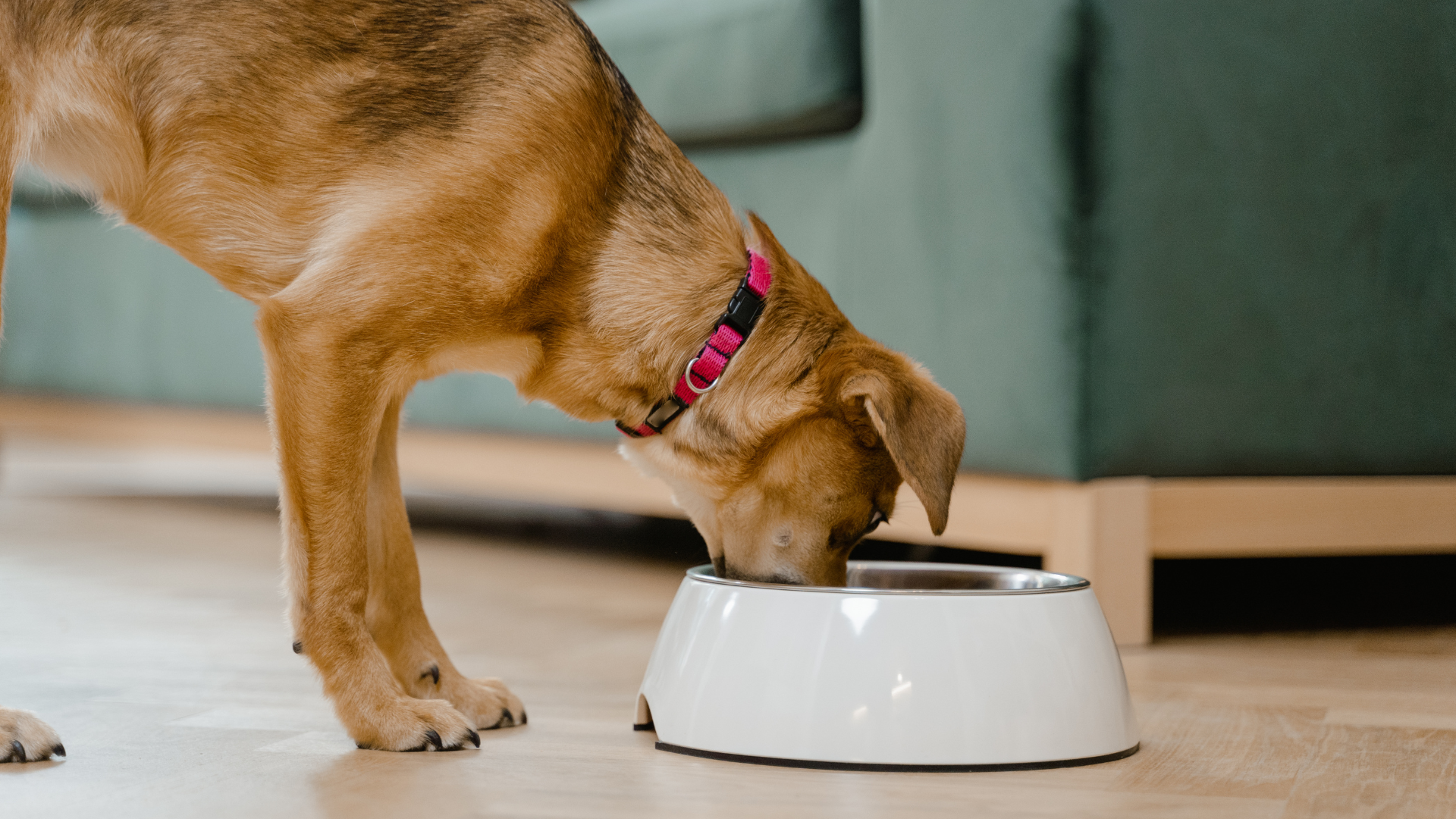
Switch your dog's diet to high-quality, natural food. Avoid industrial processed foods with additives and opt for fresh, nutrient-rich ingredients instead. Choose easily digestible proteins like cooked chicken or turkey, add fiber-rich vegetables like pumpkin or parsnip, and avoid allergy-triggering grains.
An adjusted diet can help eliminate irritants, reduce irritation of the intestinal mucosa, and allow it to regenerate.
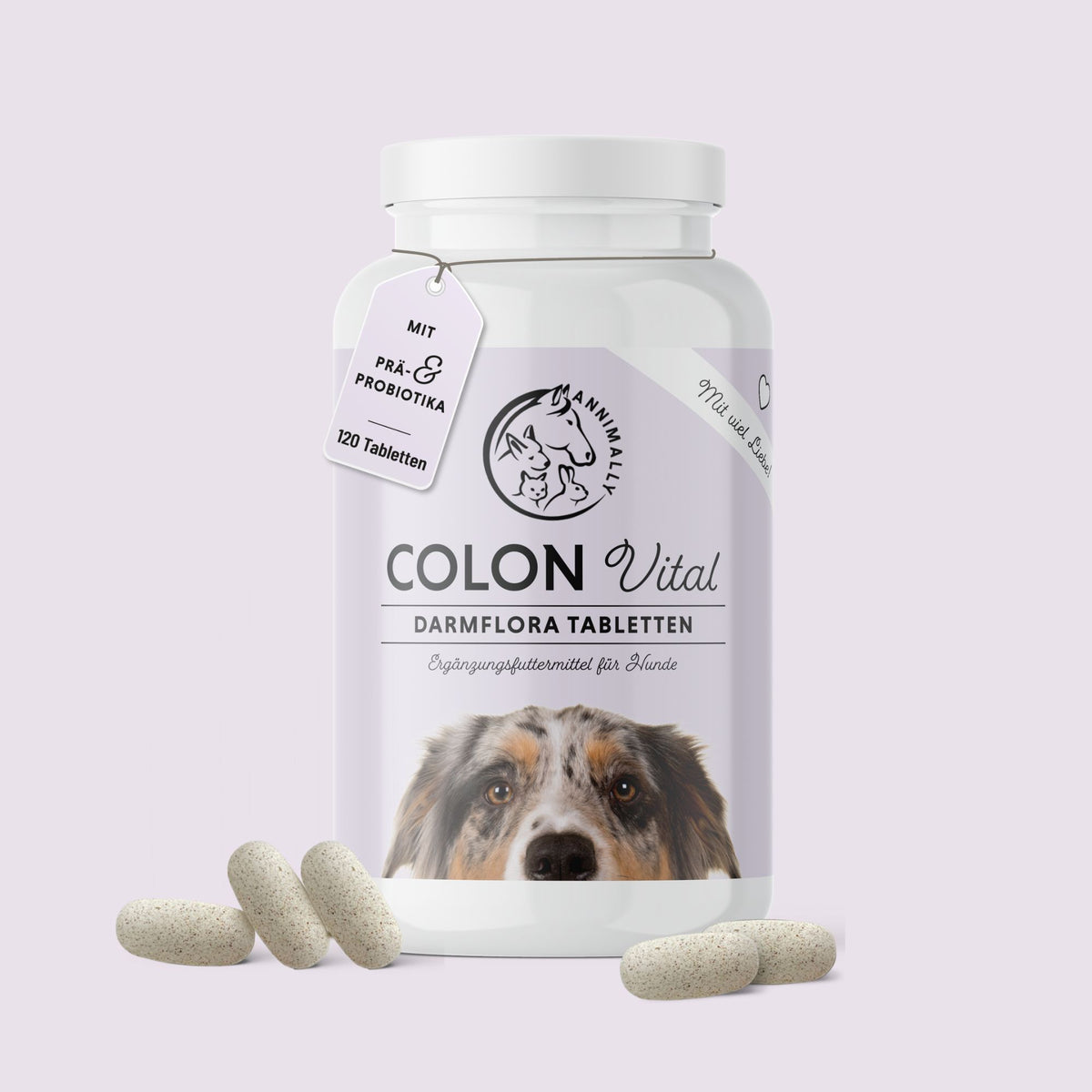
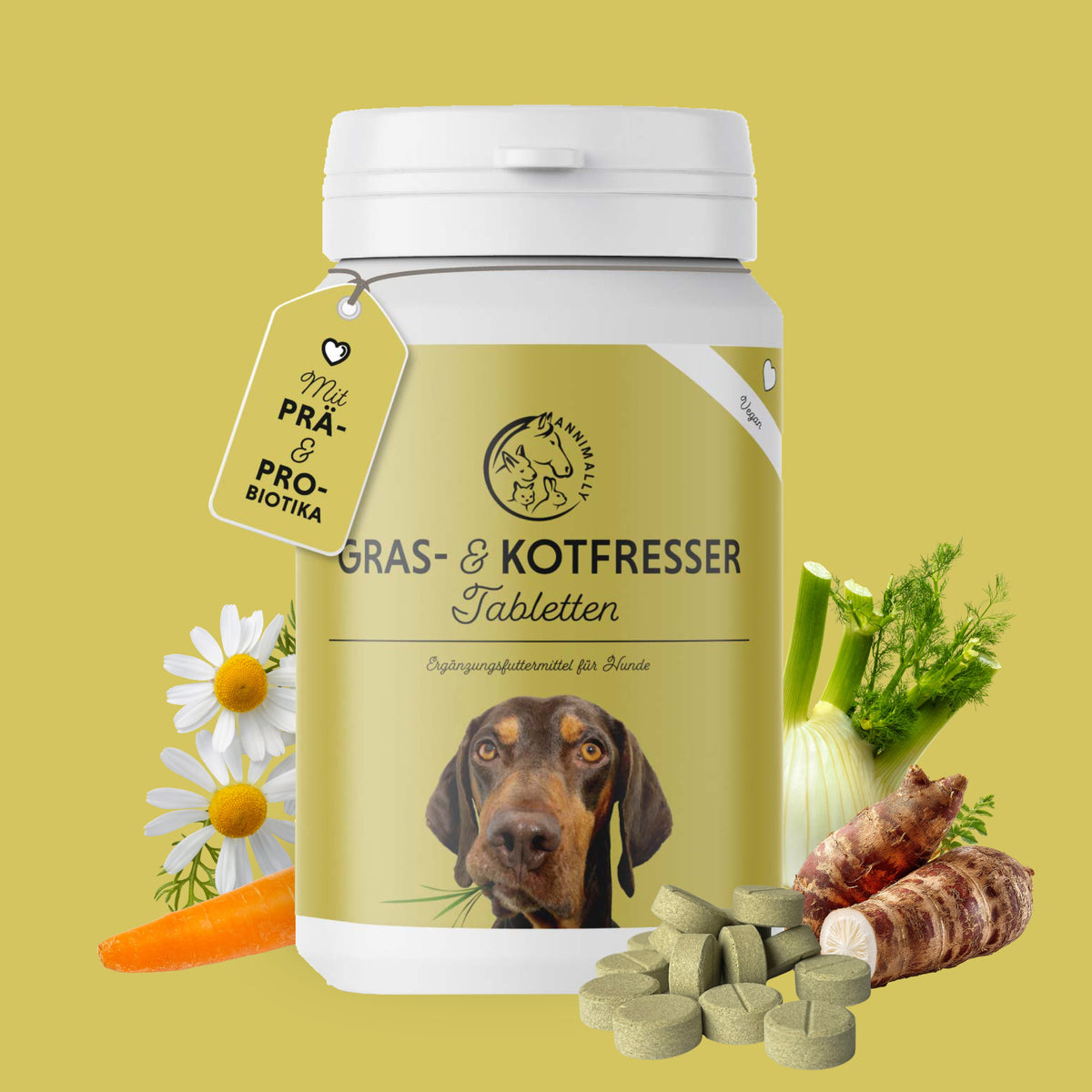
2. Targeted use of probiotics and gut bacteria
The targeted use of probiotics supports the rebuilding of a healthy gut flora. These preparations contain beneficial gut bacteria that stabilize the environment in the gut, counteract inflammation, and displace pathogenic germs. All in favor of gut health.
Look for products with various bacterial strains, such as Lactobacillus acidophilus or Enterococcus faecium, and use them regularly over several weeks.
3. Natural dietary supplements for gut restoration
Supplement the diet with natural substances that promote the healing of the intestinal wall. L-glutamine is an important amino acid for the regeneration of the mucosa. Zinc supports the immune system and has anti-inflammatory effects. Collagen contributes to the structural integrity of the tight junctions.
Plant-based substances like curcumin or omega-3 fatty acids additionally have anti-inflammatory effects and can sustainably improve gut health.
4. Detoxification and avoidance of harmful influences
A targeted detoxification can relieve your dog's body and accelerate healing. This includes natural remedies like zeolite, healing clay, or milk thistle, which bind and excrete toxins. At the same time, you should avoid environmental stresses: Opt for biodegradable cleaning agents, ensure the food is uncontaminated, and reduce the use of medication to the absolute minimum.
Prevention: How to keep your dog's gut healthy
A healthy gut is the best foundation for ensuring your dog stays vital for a long time. By ensuring a balanced and fresh diet without artificial additives, you lay the foundation for stable gut health. Give your dog plenty of exercise, mental stimulation, and restful breaks to avoid stress—because stress also affects the gut.
The regular use of natural probiotics or fermented products like kefir or sauerkraut can help to permanently strengthen the gut flora. It is also useful to have your dog's stool analyzed regularly to detect imbalances early. Also, observe the consistency, color, and smell of the stool carefully—as this provides important clues about the health of the digestive system.
Conclusion on leaky gut syndrome
Leaky gut in dogs is a complex syndrome that can have profound effects on your animal's health and well-being. Due to the disruption of the intestinal barrier, substances enter the body that do not belong there—with consequences such as skin problems, allergies, digestive disorders, or chronic inflammation.
The good news: With a targeted, cause-oriented approach, you can achieve a great deal. Focus on natural food, probiotics, gut restoration, and a loving environment. This is how you help your dog to regenerate—from the inside out.
Note: This information does not replace a visit to the veterinarian but is intended to help you better understand your dog's symptoms and make informed decisions.