
Animal health in summer: Heat protection for dogs, cats & horses
Temperatures are rising, the sun is blazing down, and it’s not just us humans craving a cool-down. Our pets also suffer from the summer heat – often even more than we do. As a responsible pet owner, it is your duty to protect your dog, cat, or horse from the dangers of high temperatures as best you can.
In this article, you will get helpful tips for heat protection for animals in summer – for healthy and happy four-legged friends on hot summer days.

Why is protection against summer heat so important for animals?
Unlike us humans, animals have a very limited ability to sweat. Dogs and cats, for example, regulate their body temperature through panting and a few sweat glands on their paws. While horses can sweat, they are still under great strain during heatwaves. Persistently high temperatures, in particular, pose a major risk to animal health.
Heatstroke, circulatory problems, or even death can result if action is not taken in time. Therefore, it is especially important that you take measures early and pay attention to the needs of your animals.
Dogs in summer: How to protect your best friend
1. Walks only during cool times of day
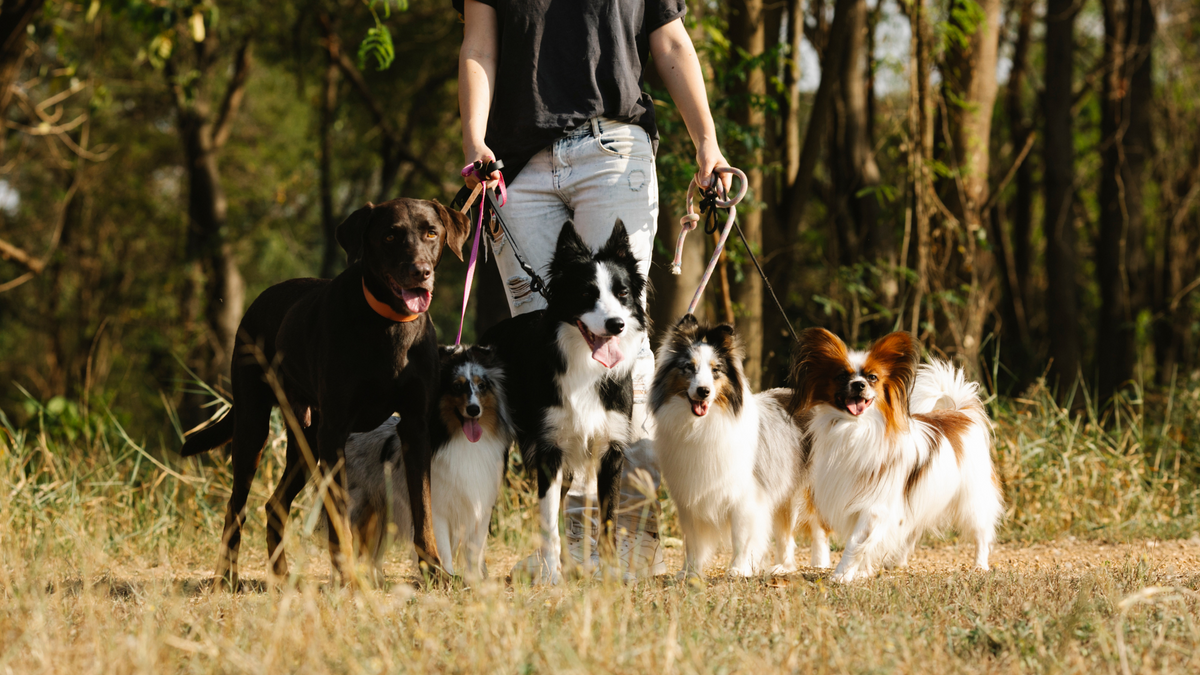
Plan walks with your dog for early in the morning or late in the evening. Hot asphalt can not only be painful for sensitive paws but can also lead to overheating. A simple test: place the back of your hand on the ground for five seconds – if it is too hot for you, it is too hot for your dog.
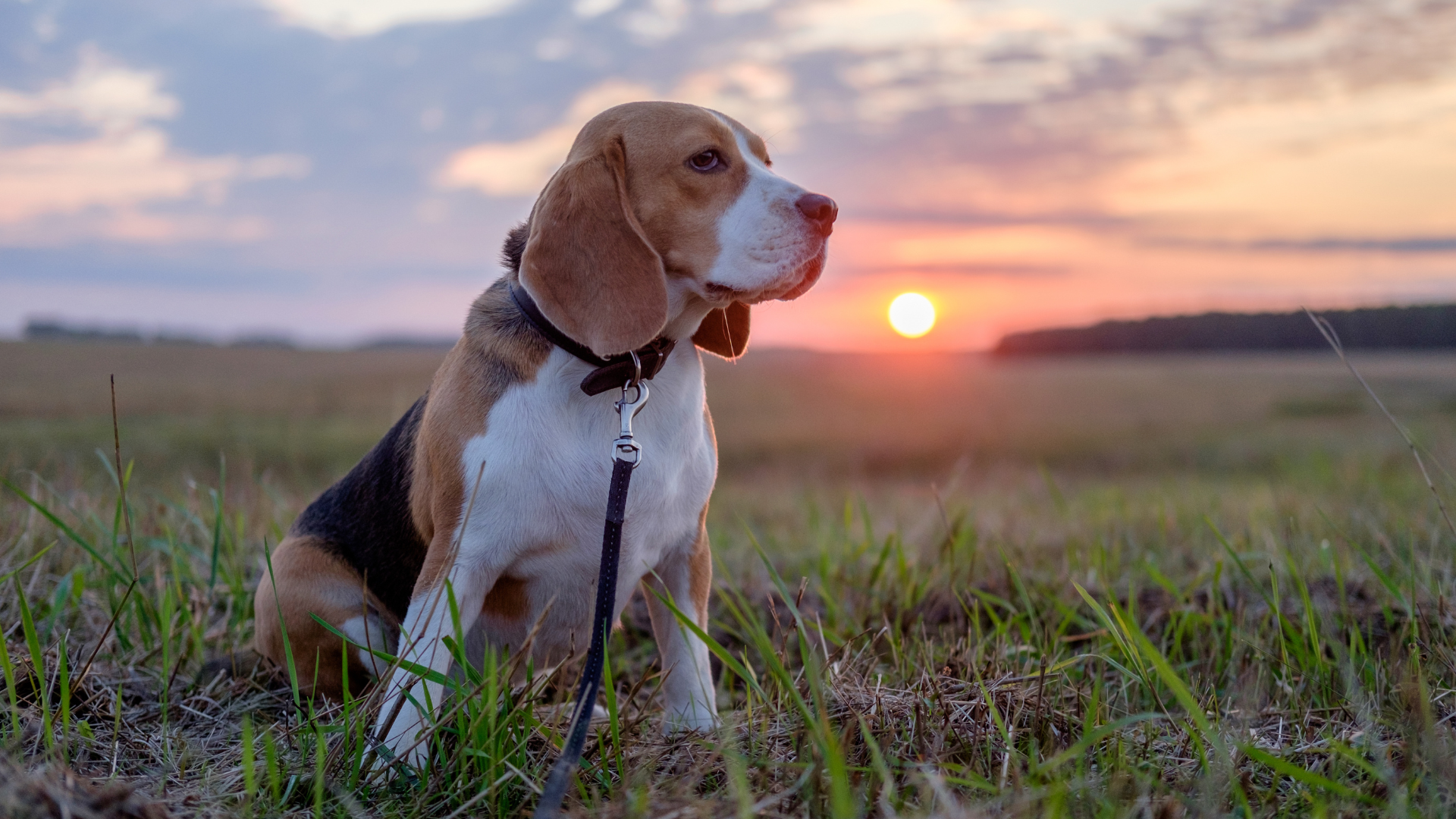
2. Provide shaded areas and cooling
Your dog should have access to a cool, shady spot at all times – whether in the garden, on the balcony, or inside the house. A wet towel or a special cooling mat can provide additional relief.
A quick dip in the garden or at permitted swimming spots can also provide cooling. But be careful: not every dog likes water. Approach this cautiously and do not force your dog to do anything.
3. Provide enough fresh water
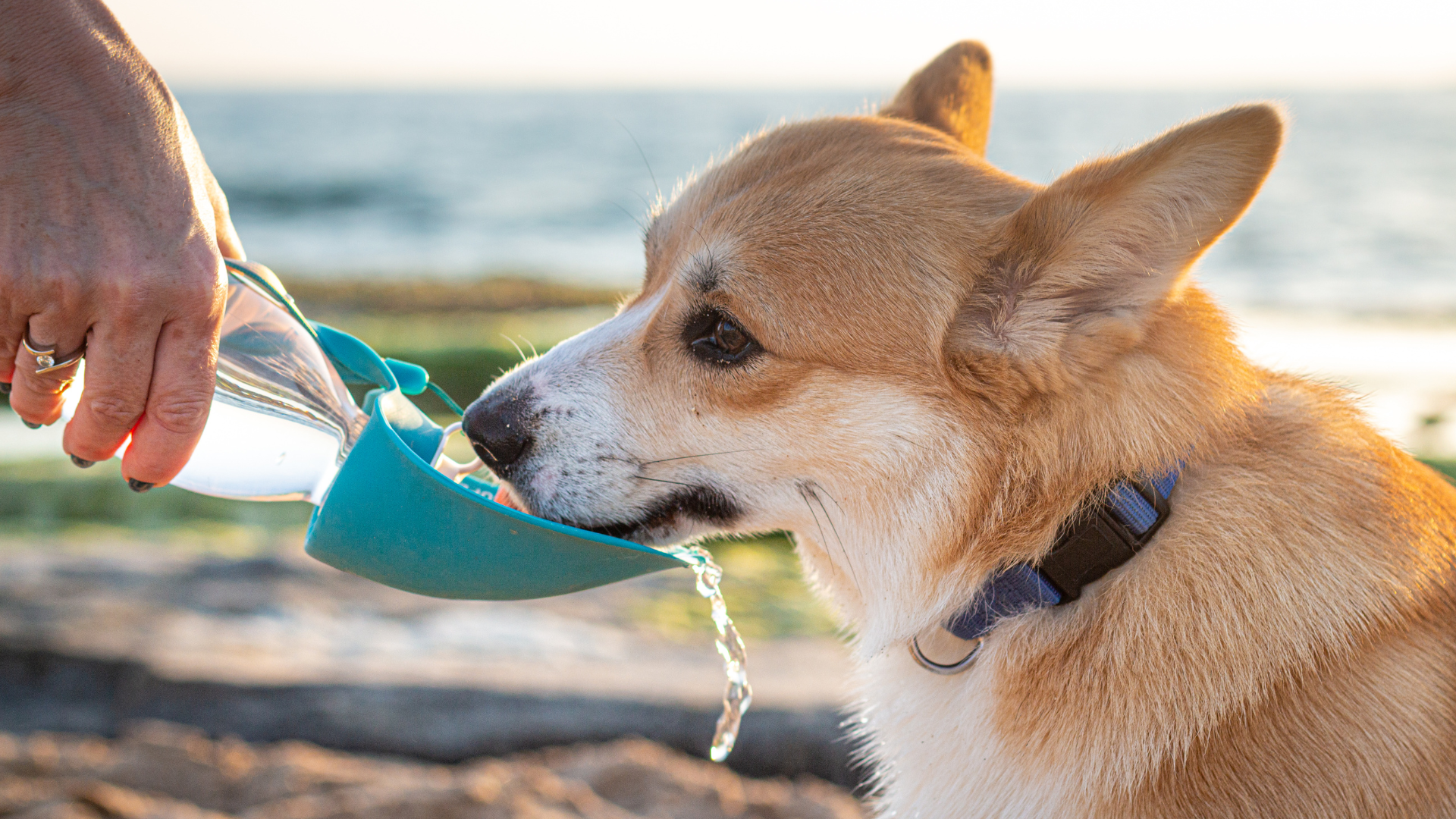
Drinking is vital for dogs, especially in summer. Always provide your dog with fresh, cool water. Also, take a bottle of water and a collapsible bowl with you on car rides or longer walks.
4. Adapt grooming and feeding
Long, thick fur can become a burden. Regular brushing helps to remove loose hair and improve air circulation. Some breeds benefit from a light summer haircut – if in doubt, speak to your vet or a professional groomer.
Diet can also be adjusted: easily digestible food and smaller portions take the strain off your dog's body on hot days.
Cats and heat: What you should know
1. Create cooling options
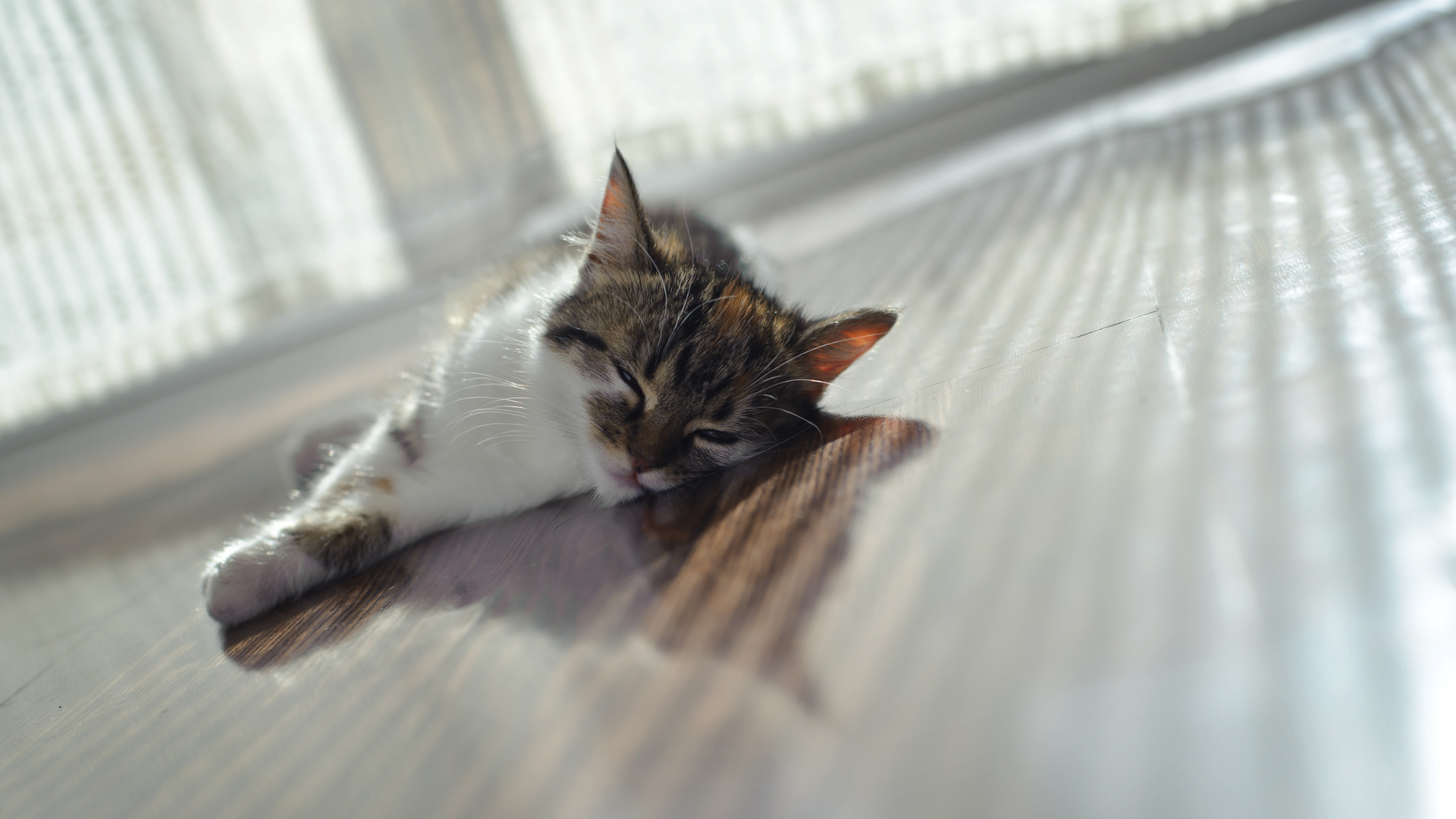
Cats usually find cooler spots on their own, but you can support them: keep shutters closed during the day, use fans (without creating a draft!), and offer cool places to lie down. Tiles or the bathroom are also popular retreats for cats.
2. Offer water creatively
Many cats do not drink enough. To encourage your cat to drink, try running water (e.g., via a drinking fountain), ice cubes in the bowl, or several water bowls distributed around the home.
3. Caution with balconies & plants
Cats love to lounge on the balcony in the summer. However, ensure there is enough shade and secure the balcony with a net. Be careful with indoor and balcony plants: some species are toxic to cats. Find out beforehand which plants are safe to keep.
Horses in summer heat: How to prevent overheating
1. Open stables or shaded areas?
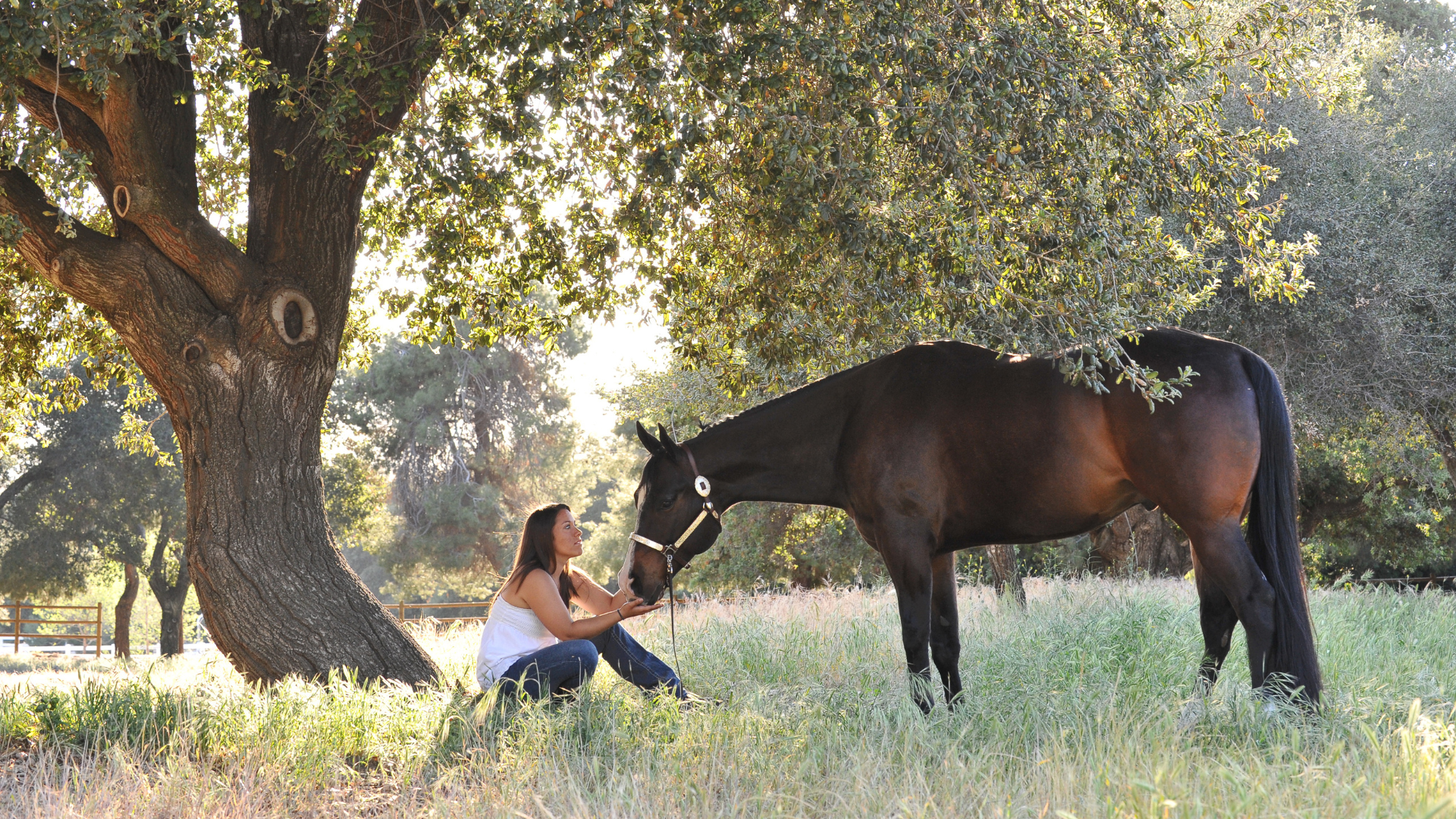
Horses in open stables often have it easier in summer heat as they can move around freely. It is important that shaded areas are available at all times – whether through trees, shelters, or roofed paddocks.
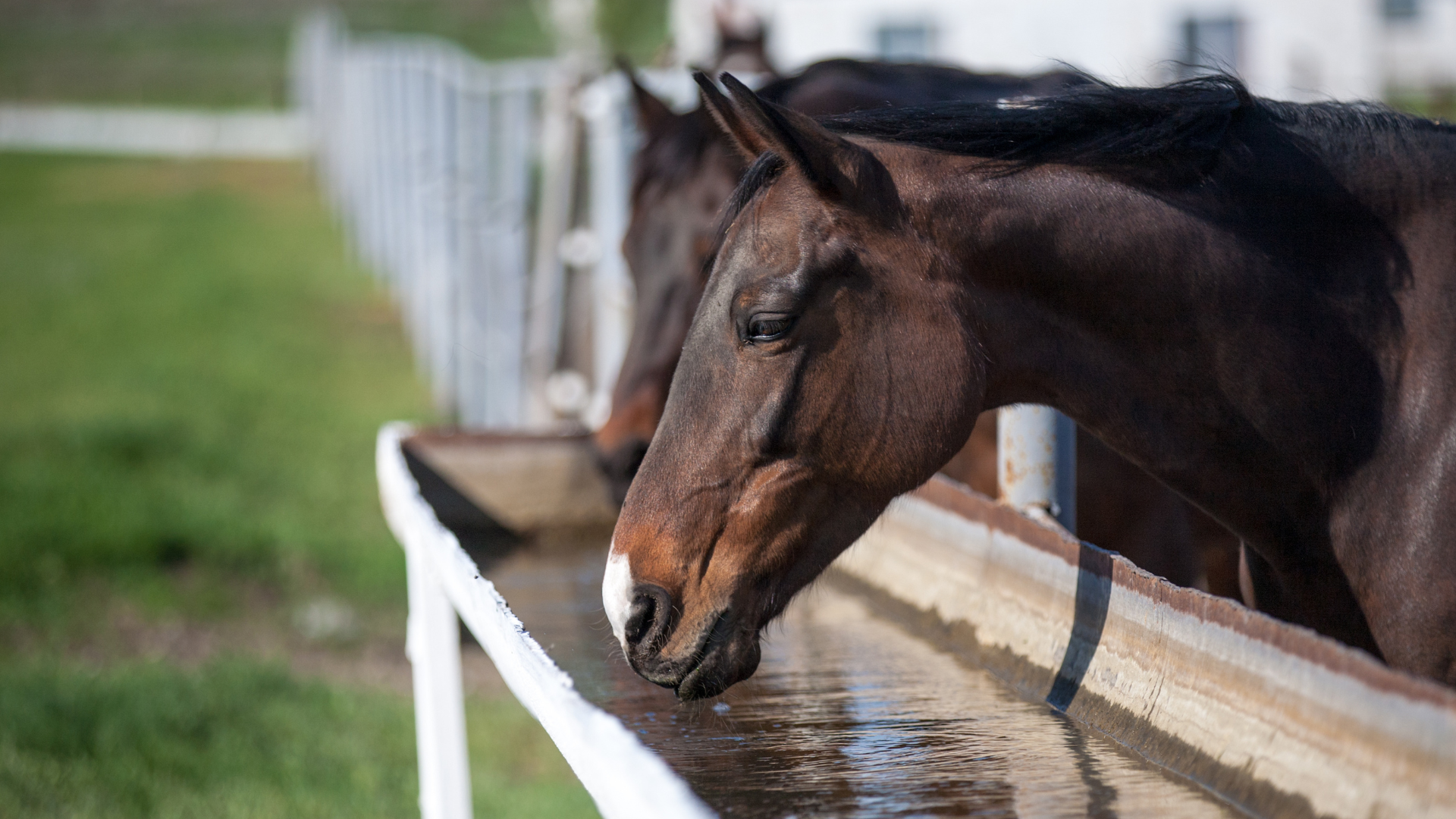
2. Check water troughs
Large animals need a lot of water – up to 60 liters per day! Check regularly that water troughs are clean and provide enough water. In extreme heat, it can be useful to provide additional water with electrolytes.
3. Adapt exercise
Plan rides or training sessions for the cool morning hours. In extreme summer heat, it may be sensible to give your horse a few days of rest. There should also be sufficient shade available in the pasture.
4. Grooming and hosing down
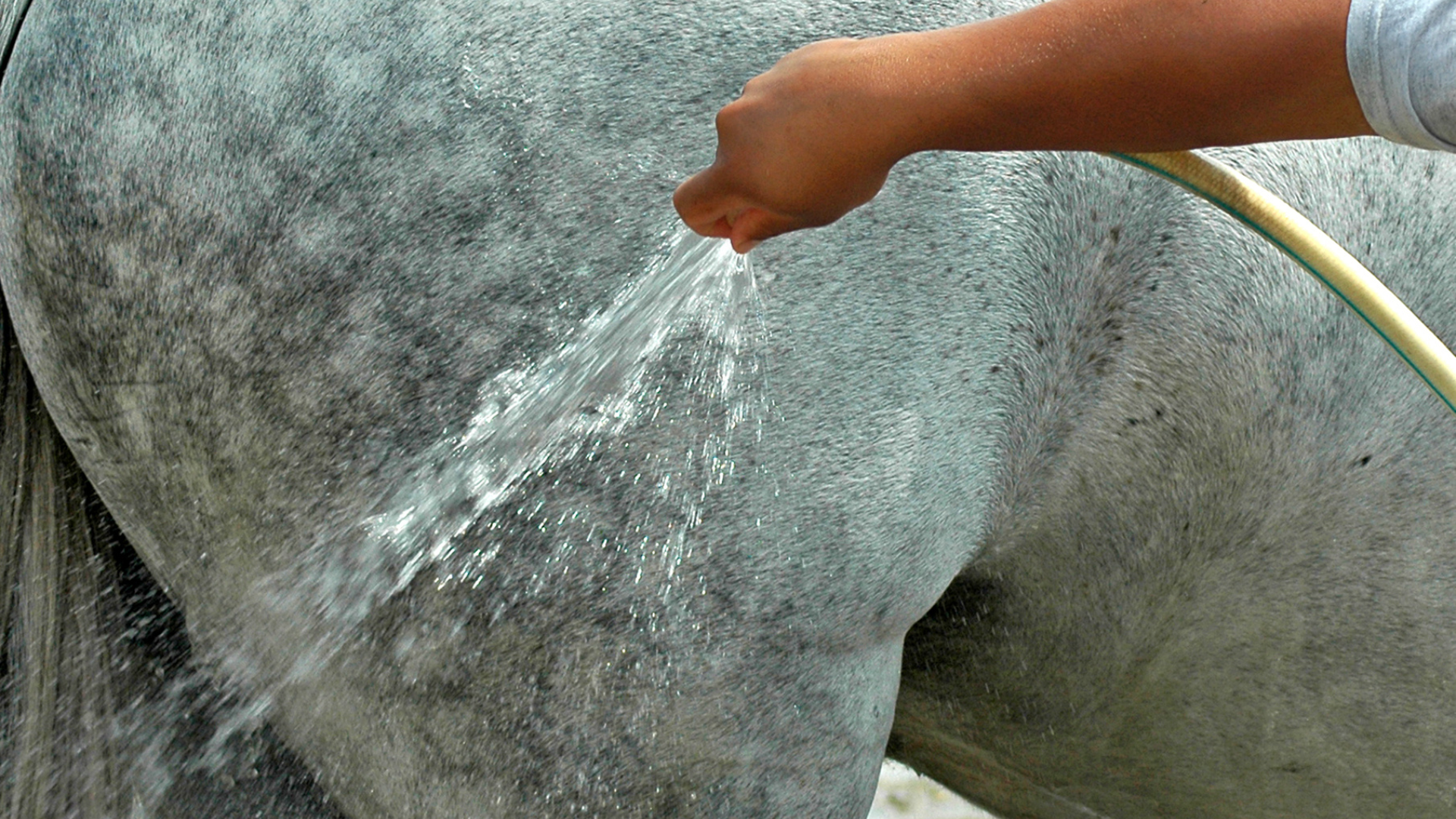
Horses also benefit from grooming in summer. Loose hair should be removed regularly to promote evaporation. Many horses enjoy being sprayed down with water – but please start slowly, perhaps on the legs. A sudden change in temperature can cause circulatory problems.
Protection from heat when driving: A deadly risk for animals
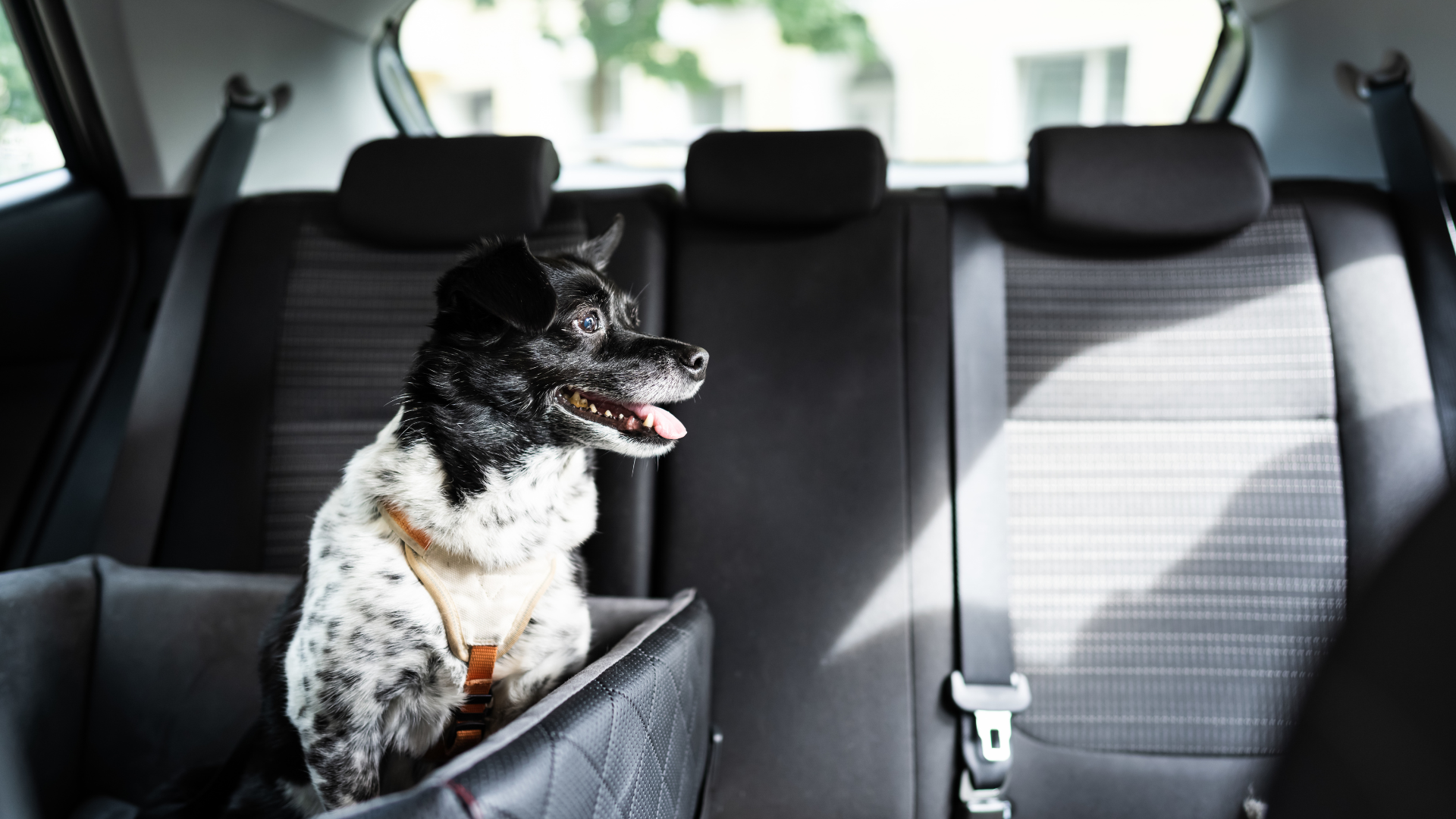
A particularly dangerous place for animals in summer is the car. Even just a few minutes in direct sunlight can be life-threatening – even at supposedly mild outside temperatures.
Never leave your pet in the vehicle, even if the windows are slightly open or you are just popping into the shop "for a moment." In an emergency, this can lead to legal action – and the death of your pet.
If you are traveling on vacation with your dog or cat, ensure regular breaks, good ventilation, and avoid driving during the midday heat. Plan your vacation in an animal-friendly way – products such as travel accessories, cooling mats, or travel bowls can be a great help.
Recognizing signs of heatstroke in your four-legged friend
The faster you react to warning signs, the better. Look out for these signs:
-
Heavy panting (even in cats!)
-
Apathy, exhaustion
-
Staggering gait, tremors
-
Elevated body temperature
-
Red-colored gums
-
Vomiting or diarrhea
If you notice such symptoms in your animal, bring them to a cool place immediately, offer water, and contact the vet right away. First aid can be life-saving.
Products for the summer: What really helps?
The market now offers many products specifically designed for heat protection for animals. Here is a brief overview:
-
Cooling mats & cooling vests for dogs
-
Drinking fountains for cats
-
UV protection blankets for horses
-
Collapsible water bowls for on the go
-
Cooling gels or sprays for paws or skin
-
Fans with timers for the stable or home
When purchasing, look for high-quality brands and read reviews. Not every product is suitable for every animal – if in doubt, ask your vet or a professional at a specialty store.
Conclusion
Animals are not toys, but living beings with their own needs. Be attentive, take responsibility, ensure cooling, and give your pet the attention they need during the summer. This way, you can master any heatwave together – with heart, common sense, and a cool head.