

Histamine intolerance in dogs: Recognize symptoms and alleviate them with the right diet
Perhaps you know this: your dog is constantly scratching, keeps having diarrhea, or suffers from chronic ear infections. You have already tried everything possible – from changing their diet and allergy tests to medication – but the symptoms keep coming back.
In such cases, it is worth taking a closer look at a topic that, so far, has received far too little attention in veterinary medicine: histamine intolerance in dogs.
This condition is somewhat better known in humans, but in dogs, it is often an overlooked cause for a variety of health problems. It is particularly distressing for the affected four-legged friends when the body overreacts to histamine or cannot properly break it down at all.
In this article, you will learn exactly what lies behind histamine intolerance, how to recognize the typical symptoms, what role diet and environment play, and, above all, how you can provide relief for your beloved pet through targeted measures.

What is histamine and what role does it play in the dog's body?
Histamine is a so-called tissue hormone and, at the same time, a messenger substance that fulfills a variety of functions in almost every organism. It regulates blood pressure, acts on the sleep-wake rhythm, is involved in immune responses, and even influences digestion.
Under normal circumstances, histamine is broken down in the body by the enzyme diamine oxidase (DAO). With histamine intolerance, however, this breakdown is disrupted. The result is an increased histamine level, which can manifest itself in very different ways.
It becomes particularly problematic when histamine accumulates in the body – whether through intake via food or through the body's own release during inflammation or allergic reactions. This is exactly where the vicious cycle begins: the dog shows symptoms that are often mistaken for other diseases, which makes targeted treatment significantly more difficult.
Why is histamine intolerance in dogs so hard to recognize?
The symptoms of histamine intolerance in dogs are often non-specific and resemble many other ailments, such as classic allergies, food intolerances, or chronic inflammatory bowel disease like IBD. There is no clear test that provides quick clarity. Instead, it requires good intuition, a lot of patience, and precise observation to identify histaminosis as the actual cause.
Many dog owners go through a real ordeal: countless vet visits, blood tests, medications, expensive allergy tests – without any significant improvement. The reason: the true cause often remains undiscovered because histamine intolerance is simply not considered.
Yet, the symptoms are more than just uncomfortable for the affected animals. They massively impair their quality of life – both physically and mentally. Many dogs suffer in silence, become lethargic, irritable, or withdraw. Their immune system is working at its limit, the gut is overwhelmed, and the constant histamine burden leads to a multitude of other problems throughout the entire organism.
How histamine intolerance manifests in your four-legged friend: typical symptoms
The range of possible complaints is wide – and that is exactly what makes histamine intolerance so hard to grasp.
Itching, especially on the ears, paws, or abdomen
Many owners report recurring itching that occurs for no apparent reason. The ears are frequently affected, the skin appears red or scaly, and sometimes even open eczema develops.

Problems in the gastrointestinal area
The gastrointestinal tract also often goes haywire. Dogs with histamine problems tend to have flatulence, frequent vomiting, or persistent diarrhea. Some animals have a poor appetite or are sensitive to certain foods. The abdomen looks bloated, and the stool changes in consistency and color. Often accompanied by other problems such as fatigue, lethargy, or restlessness – which points to a disturbed regulation of the sleep-wake rhythm.
Behavioral abnormalities, such as nervousness or aggression
In some cases, even behavioral changes appear. Does your dog suddenly seem nervous, fearful, or aggressive? This can also be related to a permanently increased histamine concentration, as histamine acts directly on the central nervous system.
If you notice that several of these symptoms occur regularly and no classic trigger is found, it is worth looking into the topic of histamine intolerance – especially if conventional medical treatments are proving fruitless.
Causes and triggers: Why does histamine intolerance develop in dogs?
The development of this condition can have many reasons. Some dogs have a genetic predisposition – their enzymes simply work less efficiently. Others develop the intolerance as a result of gut problems, after repeated antibiotic administration, or due to long-term feeding with low-quality food, such as dry food that has been stored for a long time and thus forms more histamine.
External stimuli can also play a role: contact with pollen, environmental toxins, or certain medications can overwhelm the immune system and promote inflammation in the gut. These, in turn, impair the breakdown of histamine – a classic vicious cycle. Stress, whether mental or physical, also negatively affects histamine levels. And last but not least, hormonal balance plays a decisive role.
How is histaminosis diagnosed?
Since there is no standardized laboratory test for histamine intolerance in dogs, the diagnosis is usually based on a process of elimination.
First, other diseases must be ruled out – for example, classic allergies, food intolerances, or parasites. In parallel, an elimination diet can be carried out. The dog is fed exclusively with a single, well-tolerated protein source and a carbohydrate source for several weeks. Horse meat, for example, has proven to be particularly suitable in many cases because it contains little histamine and rarely acts as an allergen.
If the dog's condition improves during this phase, it is highly likely that a reaction to histamine or histamine-forming foods is causing the symptoms. Specialized laboratories also offer the option of determining certain markers in the blood – such as DAO activity or the direct histamine content – but these tests often do not provide clear results either.
What can you do? The right diet for histamine intolerance
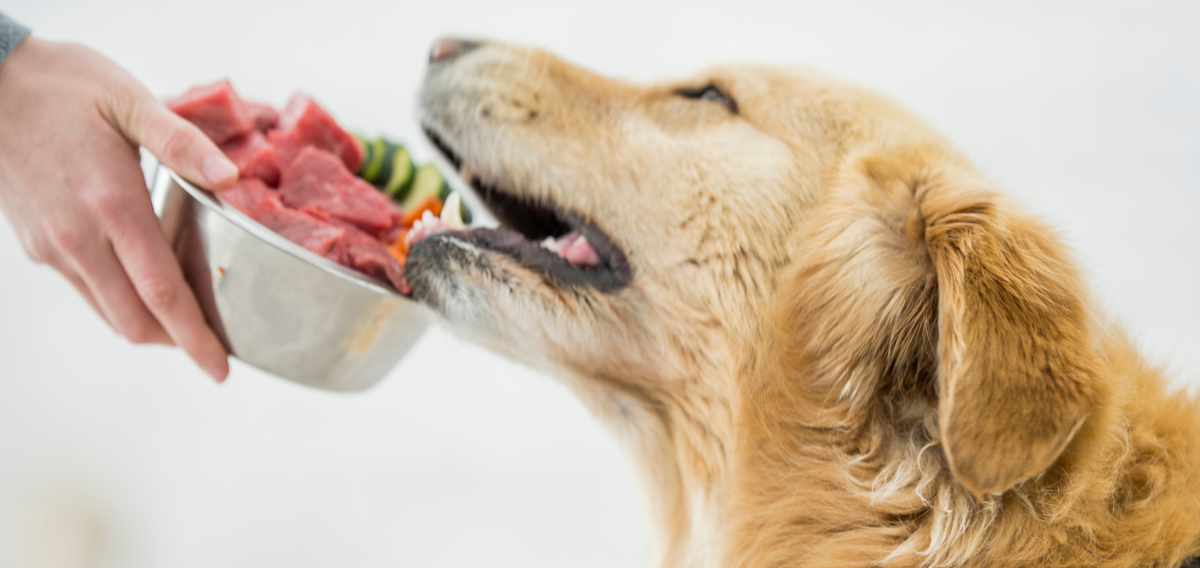
A central point in therapy is feeding. You should absolutely ensure that you give your dog only fresh, low-histamine food. Long-stored meat, canned food, or highly processed feed pose a high risk because the longer a product is stored, the more histamine can form.
Dry food is particularly critical because it is industrially manufactured and often has a shelf life of months. Offal, matured meat such as beef or game, and fish are also typical "histamine bombs." Instead, you should focus on easily digestible, well-tolerated meat – horse meat is a good choice, as are rabbit or goat.
As a side dish, gently cooked vegetables such as zucchini, pumpkin, or parsnips are suitable, as well as gluten-free carbohydrate sources like millet or amaranth. Avoid additives, preservatives, and unknown food sources. The motto is: as fresh, as pure, and as simple as possible.
Preparation also plays a major role. Food should be cooked as fresh as possible and not reheated. Buy only small quantities and store them in the refrigerator. Freezing is possible, but make sure the meat is thawed quickly and without unnecessary intermediate storage. This keeps the histamine burden as low as possible.
Further supportive measures for histaminosis
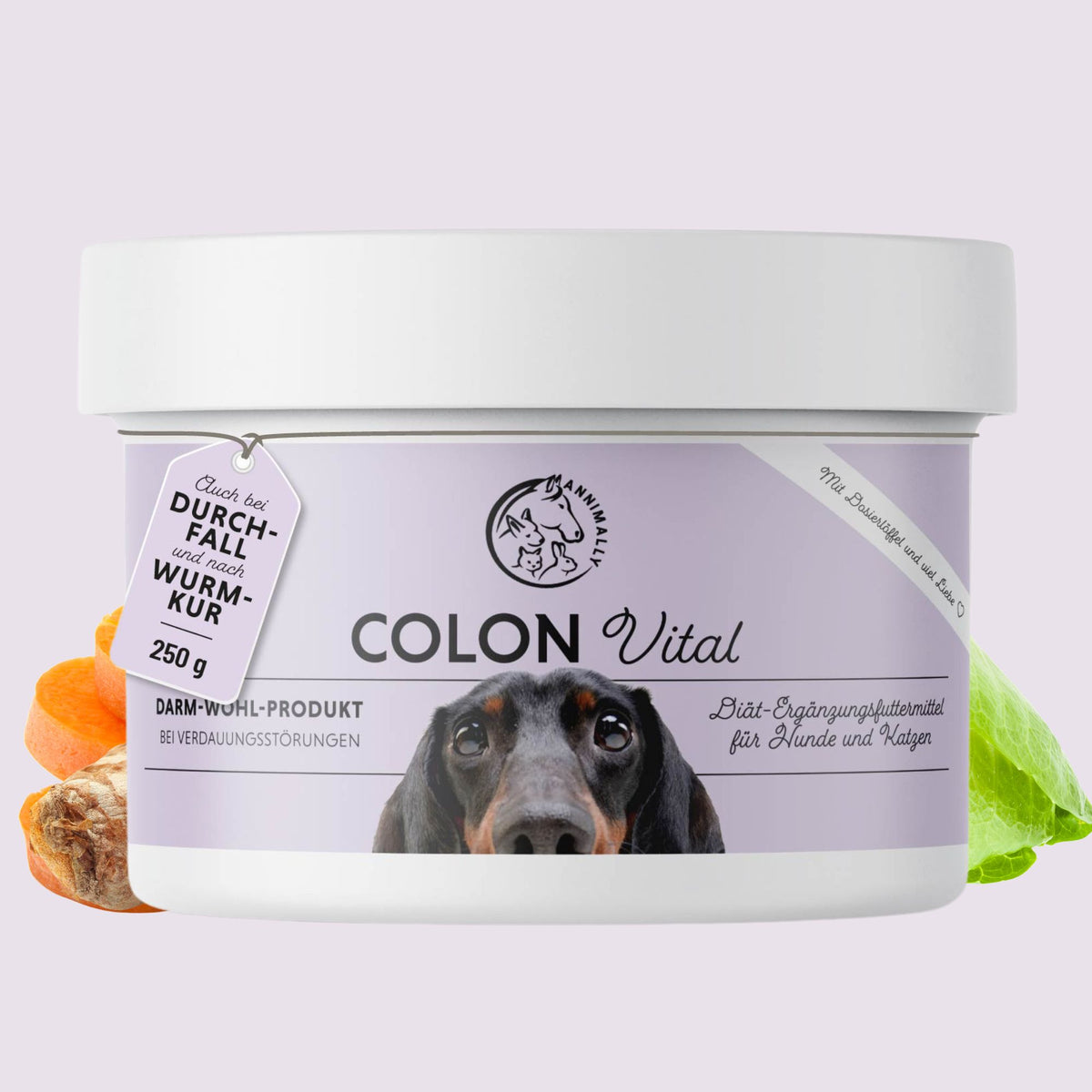
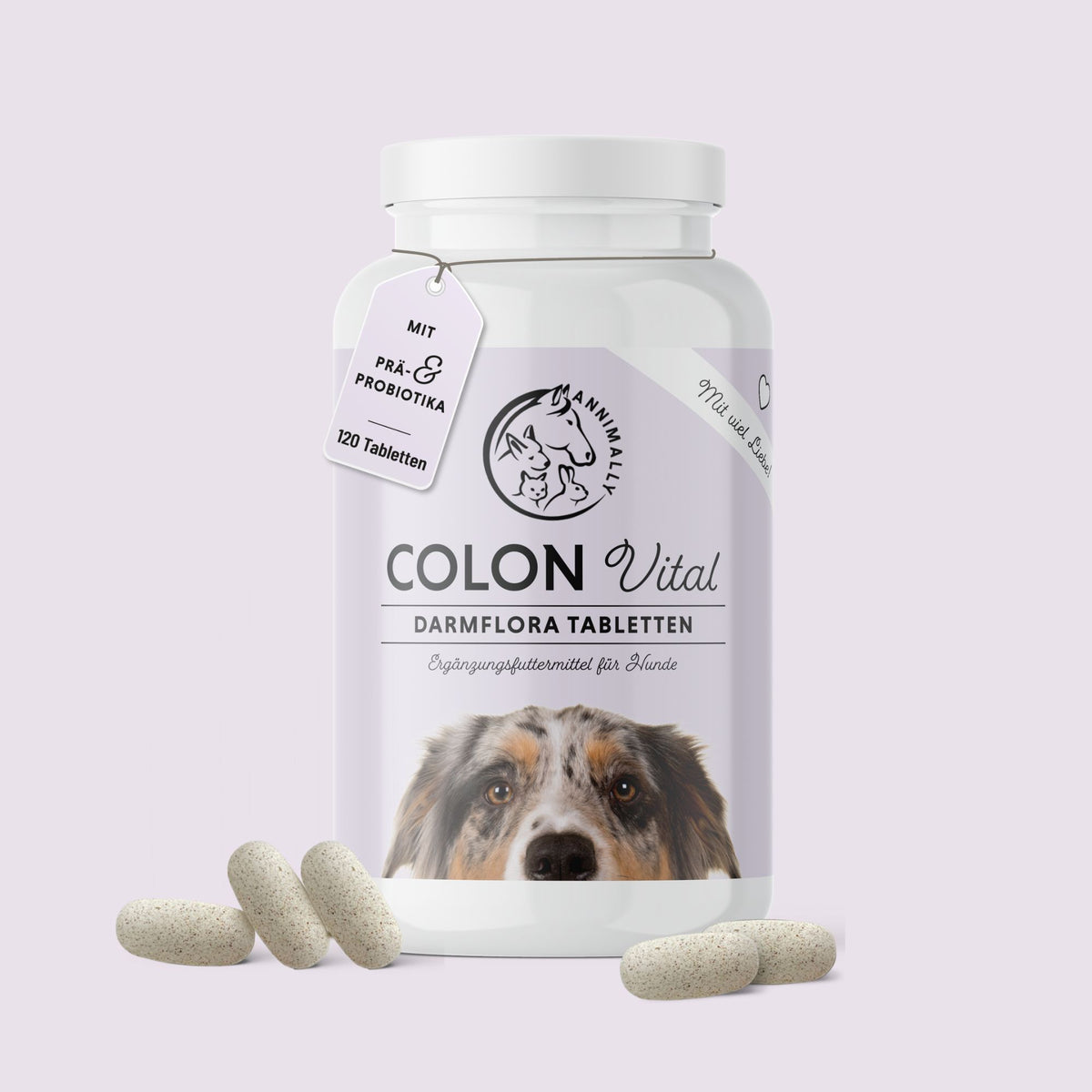
In addition to diet, you can also specifically strengthen your dog's gastrointestinal tract. A disturbed digestion is often a contributing factor to the problem. Prebiotic nutritional supplements like psyllium husks or special gut-building preparations help to restore balance in the gut.
Quercetin – a plant-based antihistamine – has also proven itself as a natural support. Vitamin C and omega-3 fatty acids can also help regulate inflammation and strengthen the immune system.
Nevertheless, it remains true: every animal is individual. What helps one dog may remain ineffective in another. It is therefore important to have professional guidance from a veterinarian or animal naturopath with experience in the field of histamine intolerance in dogs.

Conventional medicine or naturopathy?
Classic conventional medicine currently offers only limited options for this condition. Antihistamines can provide short-term relief, but they do not address the root cause. Moreover, they strain the body and are not intended for long-term use. You can only achieve long-term improvement through a targeted, consistent change in husbandry and feeding.
Naturopathic approaches, on the other hand, view the dog holistically. They rely on gentle support of the organism, building up the gut flora, stabilizing the nervous system, and reducing environmental factors. Combined with a low-histamine diet, you can thus significantly improve your dog's quality of life in a gentle way.
Conclusion: know, observe, act
Histamine intolerance in dogs is a serious but often overlooked condition that can cause numerous complaints – from itching and stomach problems to chronic inflammation. If you suspect your dog might be affected, it is worth looking closely, documenting the symptoms, and changing the diet.
With patience, consistent observation, and the right support, you can achieve a lot with histaminosis. Your dog will thank you – with more energy, better digestion, and a visible increase in joy of life.