
Tendon Damage in Horses: A Comprehensive Guide for Horse Owners
Tendon injuries are one of the most common injuries in horses, especially in athletically active animals. These injuries can have serious consequences for your horse's health and performance. In this detailed guide, you will learn everything you need to know about tendon injuries in horses: from causes to symptoms and diagnosis, as well as treatment and prevention. We provide you with comprehensive information to offer your horse the best possible care and avoid long-term damage.
What is a tendon injury in a horse?
A tendon injury in horses describes injuries or conditions affecting the tendons, which are among the most important structures in a horse's musculoskeletal system. Tendons are fibrous tissue structures that connect muscles to bones and thus play a decisive role in force transmission and movement. They enable the horse to move by transferring the force generated in the muscles to the bones. These elastic strands are extremely resilient, but also susceptible to overloading and injury, especially under intensive use.
Tendons consist primarily of collagen fibers, which provide high tensile strength but possess limited elasticity. This low elasticity means that tendons react sensitively to high loads and can easily be damaged by overexertion or incorrect loading. Horses, especially those active in sports or frequently trained, are particularly at risk of suffering tendon injuries, as their tendons are subjected to extreme stress during fast movements, abrupt changes of direction, and jumps.
The structure and function of tendons in horses
Tendons in horses are composed of dense, collagenous connective tissue and have relatively low elasticity. They connect muscles to bones and transmit the force generated by muscle contractions. Their structure allows tendons to withstand high loads, but these properties also make them prone to conditions, especially under intensive use.
The digital flexor tendon system in a horse's forelegs is particularly susceptible to tendon injuries. These tendons carry a large portion of the body weight and absorb the forces generated during running, jumping, or sudden changes in direction.
Causes of a tendon injury in a horse
A tendon injury can be caused by a variety of factors. The most common causes include:
-
Overloading of the tendon: Intensive training periods without sufficient recovery phases can overwhelm a horse's tendons and lead to a tendon injury. Excessive exertion without corresponding rest periods leads to micro-injuries, which accumulate and can result in greater damage.
-
Insufficient warm-up: A horse that is not properly warmed up is more prone to injury. Cold stress increases the risk because the tendons do not have the necessary flexibility.
-
Incorrect loading: Uneven loading, often caused by incorrect hoof balance or uneven limb action, can lead to chronic tendon problems.
-
Unfavorable ground conditions: Hard, slippery, or uneven surfaces can increase the risk of tendon injuries. Training on such surfaces can significantly increase the strain on the tendons.
-
Abrupt movements: Sudden changes of direction, stops, or high jumps put heavy strain on the tendons and can lead to acute injuries.
-
Age of the horse: Older horses often have reduced elasticity of the tendon tissue, which increases the risk of injury.
Symptoms of a tendon injury in a horse
The signs of a tendon injury in a horse are not always immediately obvious, but they can quickly become recognizable. The most common signs are:
-
Swelling: Swelling in a tendon injury often occurs directly over the affected tendon. This can be either localized or more extensive.
-
Heat: Injured or inflamed tendons are often warmer than the surrounding tissue, which can be a sign of inflammation.
-
Lameness: The degree of lameness can vary depending on the severity of the injury. It often appears suddenly, especially in acute tendon injuries.
-
Pain sensitivity: Touching or applying pressure to the affected tendon often leads to pain and discomfort for your horse.
-
Altered movement: Your horse might move stiffly or uncertainly and avoid certain movements.
Diagnosis of a tendon injury
The assessment of tendon injuries should be performed by a qualified veterinarian. Diagnostic measures include:
-
Clinical examination: The veterinarian checks for clinical signs, lameness, and swelling to get initial indications of the nature and severity of the injury.
-
Ultrasound examination: This method allows for a detailed view of the tendon structure and helps to determine the exact location and extent of the injury.
-
Magnetic Resonance Imaging (MRI): In severe cases or for more precise diagnostics, an MRI can be used to accurately assess the injury.
The accurate determination of a tendon injury is crucial for choosing the right therapy and avoiding long-term damage.
First steps for a tendon injury
If you suspect your horse has a tendon injury, quick and correct measures are important:
-
Cooling: Cool the affected area as soon as possible to reduce swelling. Ice packs or specialized cooling boots are suitable for this.
-
Box rest: Your horse should remain in the stall immediately to protect the affected tendon and avoid further strain.
-
Consult a vet: Contact a veterinarian immediately to receive an accurate assessment and appropriate treatment.
Treatment of a tendon injury in a horse
The therapy for a tendon injury depends on the severity of the injury. General treatment approaches include:
-
Rest and recovery: The most important measure for a tendon injury is rest. Your horse must spend an extended period in the stall and must not be moved.
-
Cooling and bandaging: Regular cooling and applying a stable bandage help to reduce swelling and pain.
-
Anti-inflammatory medication: The veterinarian may prescribe medication to combat inflammation and promote regeneration.
-
Physiotherapy: After the acute phase, physiotherapy can help strengthen the tendon and restore normal function.
Modern therapy methods for tendon injuries
Besides classical treatment methods, there are modern approaches that can accelerate the healing process:
-
Shockwave therapy: This therapy uses mechanical shockwaves to stimulate tendon healing and support tissue regeneration.
-
Platelet-Rich Plasma (PRP): In this method, the horse's blood plasma is processed and injected into the injured tendon to promote regeneration.
-
Stem cell therapy: Stem cells are injected into the injured tissue to accelerate tendon regeneration and support healing.
-
Laser therapy: Laser light is used to stimulate blood circulation in the tissue, which can promote regeneration.
Rehabilitation after a tendon injury
Rehabilitation after tendon injuries is an essential part of healing and should be carefully planned:
-
Slow resumption of movement: After the rest phase, the horse should be slowly reaccustomed to movement. Initially, only short steps are taken before pace and duration are increased.
-
Regular check-ups: Your veterinarian should perform regular examinations to monitor healing progress and make adjustments to the rehabilitation plan.
-
Training on soft ground: At the beginning of rehabilitation, training should take place on soft ground to minimize strain on the tendon.
Duration of healing for a tendon injury
The healing time for a tendon injury can vary significantly depending on the severity of the injury:
-
Mild strains: These can usually heal within 6 to 8 weeks if treated correctly.
-
Partial tears: Healing time here can take several months, depending on the severity of the tear.
-
Complete tears: With complete tears, healing can take up to a year or longer. In some cases, surgical intervention is required.
Long-term effects of a tendon injury
Even after successful healing, the tendon tissue is often not as resilient as before. The risk of recurring injuries remains elevated. It is important to follow an adapted training program after healing and to monitor the tendons regularly.
Prevention of tendon injuries in horses
Preventing tendon injuries is crucial to minimize the risk:
-
Regular warm-up: A thorough warm-up before training increases the flexibility of the tendons and reduces the risk of injury.
-
Suitable surfaces: Avoid hard, uneven, or slippery surfaces during training to reduce tendon strain.
-
Varied training: Varied training prevents one-sided loading and reduces the risk of tendon injuries. Overexertion should be avoided.
-
Good hoof care: Ensure regular and correct hoof care to prevent incorrect loading and tendon problems.
Influence of nutrition on your horse's tendon health
Nutrition plays an important role in tendon health:
-
Omega-3 fatty acids: These can have an anti-inflammatory effect and support the healing of tendon conditions. They are found in flaxseed and fish oil.
-
Antioxidants: Vitamins such as vitamin C and E help to protect cells from damage and promote healing.
-
Collagen: Nutritional supplements containing collagen can support the regeneration of tendon tissue.
The role of hoof shoeing in tendon injuries
The right hoof shoeing is crucial for avoiding tendon injuries:
-
Regular inspection: Have the hooves checked regularly by an experienced farrier and adjusted if necessary.
-
Correct hoof balance: Incorrect hoof balance can lead to excessive strain on the tendons. Correctly fitted shoeing can prevent this.
Mental stress for the horse during healing
The period of box rest and restricted movement can be stressful for your horse:
-
Occupational therapy: Integrate toys or other enrichment opportunities into the stall to avoid boredom.
-
Mental stimulation: Small exercises and walks in-hand can help keep the horse mentally engaged and less stressed.
Long-term care and follow-up
Even after a tendon injury has healed, regular follow-up is important:
-
Regular check-ups: Have the tendons checked regularly by a veterinarian to ensure they have fully regenerated.
-
Adapted training plan: The training plan should be adjusted after healing to minimize the risk of recurring injuries.
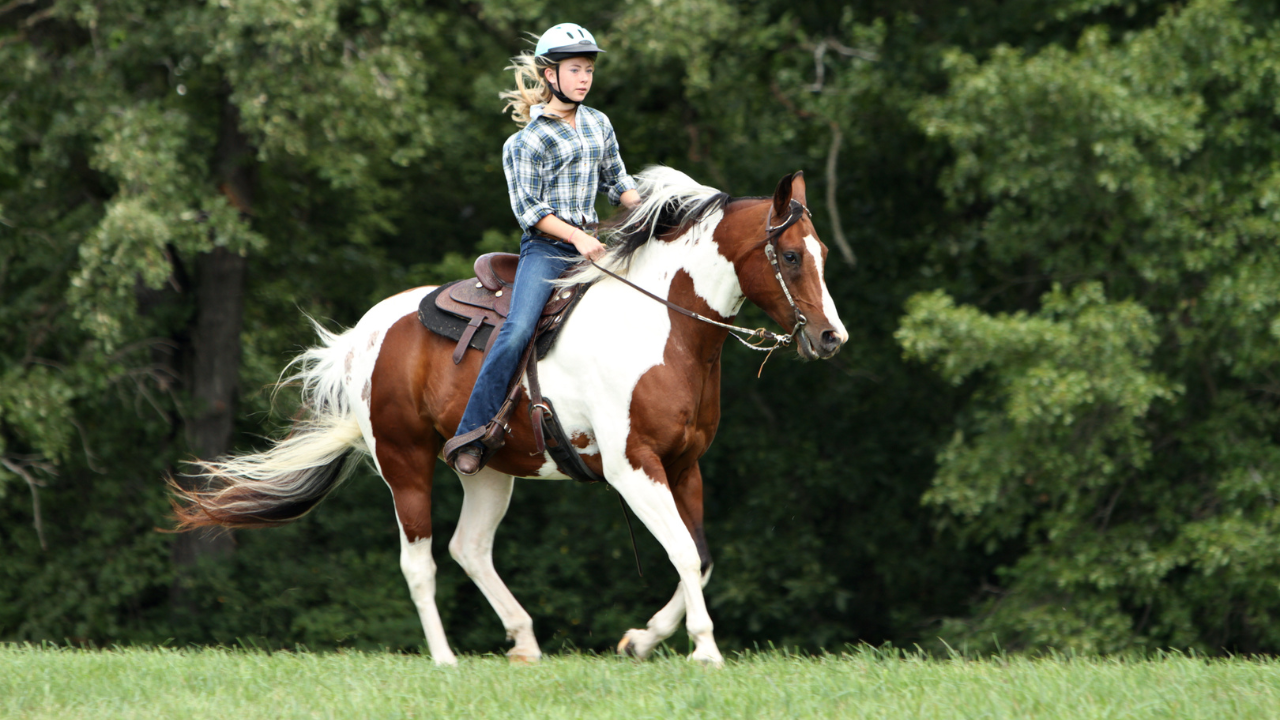
Conclusion: Take tendon injuries in horses seriously and treat them correctly
Tendon injuries are serious conditions that not only affect your horse's mobility, but can also have long-term effects on its health and performance. They require a comprehensive and careful approach to treat both acute symptoms and minimize long-term consequences.
1. Immediate reaction and correct diagnosis:
As soon as you suspect that your horse has suffered a tendon injury, quick action is required. Immediate cooling of the affected area and immediate rest are the first important steps. Consulting a veterinarian for an accurate diagnosis is crucial. A precise assessment, provided through clinical examinations and imaging procedures such as ultrasound or MRI, allows the extent of the injury to be determined exactly and the appropriate therapy to be initiated.
2. Tailored treatment and therapy:
The treatment of a tendon injury should always be individually tailored to the severity of the injury and the specific needs of your horse. In addition to basic rest and recuperation, modern therapy methods such as shockwave therapy, platelet-rich plasma (PRP), and stem cell therapy can significantly accelerate the healing process. It is important to select and carry out these treatments in consultation with your veterinarian to achieve the best possible results.
3. Patience and structured rehabilitation:
After the acute phase of analysis, rehabilitation begins, which is often the longest part of the healing process. Patience is of the utmost importance here. The training plan should be adjusted slowly, starting with short steps and gradually increasing the intensity. Careful monitoring by the veterinarian is necessary to ensure that the tendon is healing correctly and to minimize the risk of relapse.
4. Long-term prevention and follow-up:
Even after successful healing, the work is not yet finished. Tendon injuries often leave behind a certain weakening of the tissue, which makes a permanent adjustment of the training and care plan necessary. Regular checks by a veterinarian and adjustments to the training plan are essential to prevent re-injury. Furthermore, preventive measures such as proper warm-ups, suitable ground conditions, and good hoof care should be continuously integrated into daily life.
5. Holistic view of horse health:
Tendon health is closely linked to the overall health of your horse. A balanced diet that provides all the necessary nutrients for tendon health and good hoof care are just as important as training and rehabilitation. Your horse's mental and emotional health should also be considered to minimize stress and promote well-being.
6. Education and prevention:
Knowledge of the risk factors for tendon injuries and the implementation of appropriate preventive strategies are crucial to reducing the risk of tendon injuries. Keep yourself regularly informed about current developments in equine medicine and adapt your care and training methods accordingly.
In summary, tendon injuries in horses are a serious matter that requires comprehensive expertise, timely medical intervention, and careful follow-up. By actively engaging with the health and well-being of your horse and paying attention to preventive measures, you can significantly reduce the risk of tendon injuries and help your horse lead a healthy and active life.