

Joint inflammation in horses: causes, symptoms and treatment
Joint inflammation, also known as arthritis, is one of the most common yet serious conditions that can affect horses. It not only affects the animal's quality of life but can also lead to chronic pain and restricted mobility in the long term. In this article, you will learn everything you need to know about the causes, symptoms, diagnosis, treatment, and prevention of joint inflammation in horses.
What is joint inflammation in horses?
Joint inflammation is an inflammation in the area of one or more joints that can be triggered by various causes. It leads to damage to the joint structure and reduced mobility. This joint disease can occur acutely, meaning it is sudden and severe, or chronically, which indicates long-lasting and slowly developing inflammation.
Causes of joint inflammation/arthritis in horses
The causes of joint inflammation in horses are diverse and can be caused by external influences as well as internal diseases. Here are the most common causes in detail:
-
Overloading and improper loading of your horse: Intensive training loads, one-sided movement patterns, or improper horseshoeing can lead to the overloading of certain joints, which results in inflammation over time.
-
Injuries and trauma: A blow to the joint, a fall, or a twist can damage the joint structures and trigger inflammation. Such injuries are particularly common in athletically active horses.
-
Infections: Bacteria can enter the joint through open wounds or surgical scars and cause septic arthritis in horses. This form of joint inflammation is particularly dangerous and must be treated immediately.
-
Degenerative joint diseases: With increasing age, degenerative changes, such as the breakdown of joint cartilage, can develop, resulting in chronic inflammation.
-
Autoimmune diseases: In rare cases, the horse's immune system can attack its own joints, thus causing inflammation.
Symptoms of joint inflammation/arthritis
Joint inflammation in horses manifests itself through various symptoms, which can vary depending on the severity and duration of the disease:
-
Lameness: A common sign of arthritis in a horse is lameness, which is particularly noticeable after rest periods or intensive exercise. This is usually the first symptom you will notice.
-
Swelling and warmth: The affected joint can be swollen and warm to the touch. This indicates acute inflammation.
-
Pain sensitivity: Horses often react sensitively to pressure or movement of the inflamed joint. You might observe that your horse becomes restless or avoids using the joint.
-
Stiffness: Especially in the morning or after long rest periods, the horse may appear stiff and immobile. This is typical for chronic inflammation.
-
Altered gait: Your horse might show an altered gait by trying to relieve the affected joint. This can manifest as shortened steps or limping.
Diagnostic procedures: How is joint inflammation in horses detected?
Diagnosing inflammation of the joints/arthritis requires a thorough examination of your horse by a veterinarian. This usually includes several steps:
-
Clinical examination: The veterinarian will examine the horse for lameness and pain sensitivity. The affected joint will be palpated and checked for swelling, warmth, and other signs of inflammation.
-
Imaging procedures: To assess the condition of the joint more accurately, X-rays, ultrasound examinations, or MRIs are frequently used. These methods help to identify structural changes in the joint.
-
Joint fluid analysis: In some cases, a sample of the joint fluid is taken and examined in the laboratory. This can provide information about the presence of inflammatory cells or bacteria and rule out septic arthritis.
-
Blood tests: If a systemic disease or an autoimmune disease is suspected, blood tests can help detect inflammatory markers or autoantibodies.
Treatment options for inflamed joints in horses
The treatment of arthritis in horses depends on the cause and the severity of the disease. Here are the most common therapeutic approaches:
-
Anti-inflammatory medication: Non-steroidal anti-inflammatory drugs (NSAIDs) are the first choice for relieving pain and inflammation. In severe cases, corticosteroids can also be used.
-
Antibiotics: If a bacterial infection is present, the administration of antibiotics is essential to kill the bacteria and control the inflammation.
-
Immobilization and rest: Temporary immobilization of the affected joint may be necessary to allow the inflammation to subside. This can be achieved through stall rest or by restricting movement.
-
Physiotherapy and rehabilitation: After the acute phase of inflammation, targeted physiotherapy is important to restore mobility and strengthen the muscles around the joint. Hydrotherapy, massages, and passive stretches can be helpful here.
-
Joint injections: Injections of hyaluronic acid or PRP (platelet-rich plasma) directly into the joint can improve joint function and reduce inflammation.
-
Surgical interventions: In advanced cases where conservative therapies are insufficient, surgery may be necessary. This involves removing damaged structures or stabilizing the joint.
Prevention: How you can prevent joint inflammation in your horse
The prevention of arthritis is crucial for maintaining the well-being and performance of your horse. Here are some measures you can take:
-
Adapted training: Well-structured training tailored to the individual horse is important to avoid overloading. Ensure sufficient warm-up phases and vary the intensity.
-
Optimal hoof care: Regular hoof care and correct horseshoeing are essential to prevent improper loading of the joints.
-
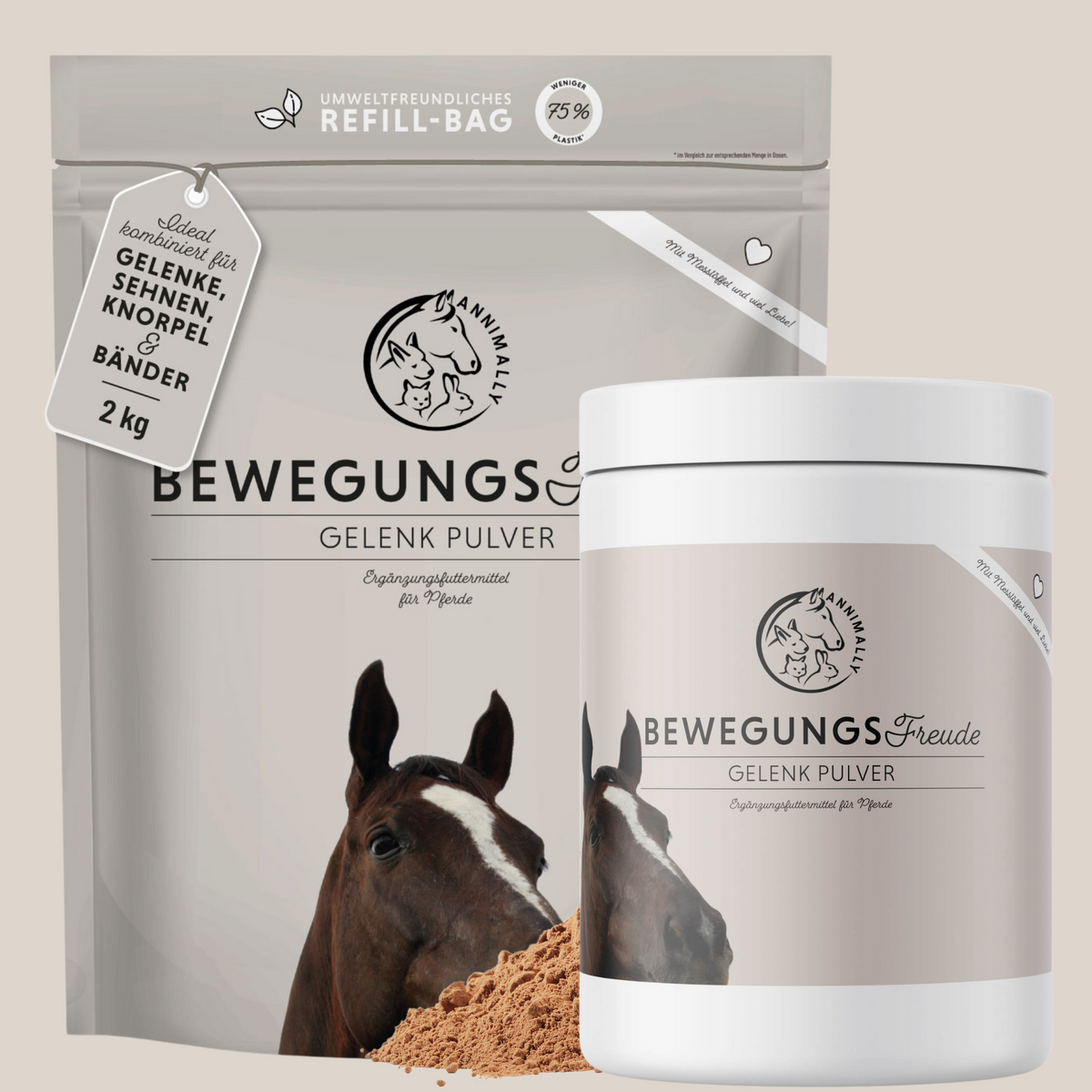
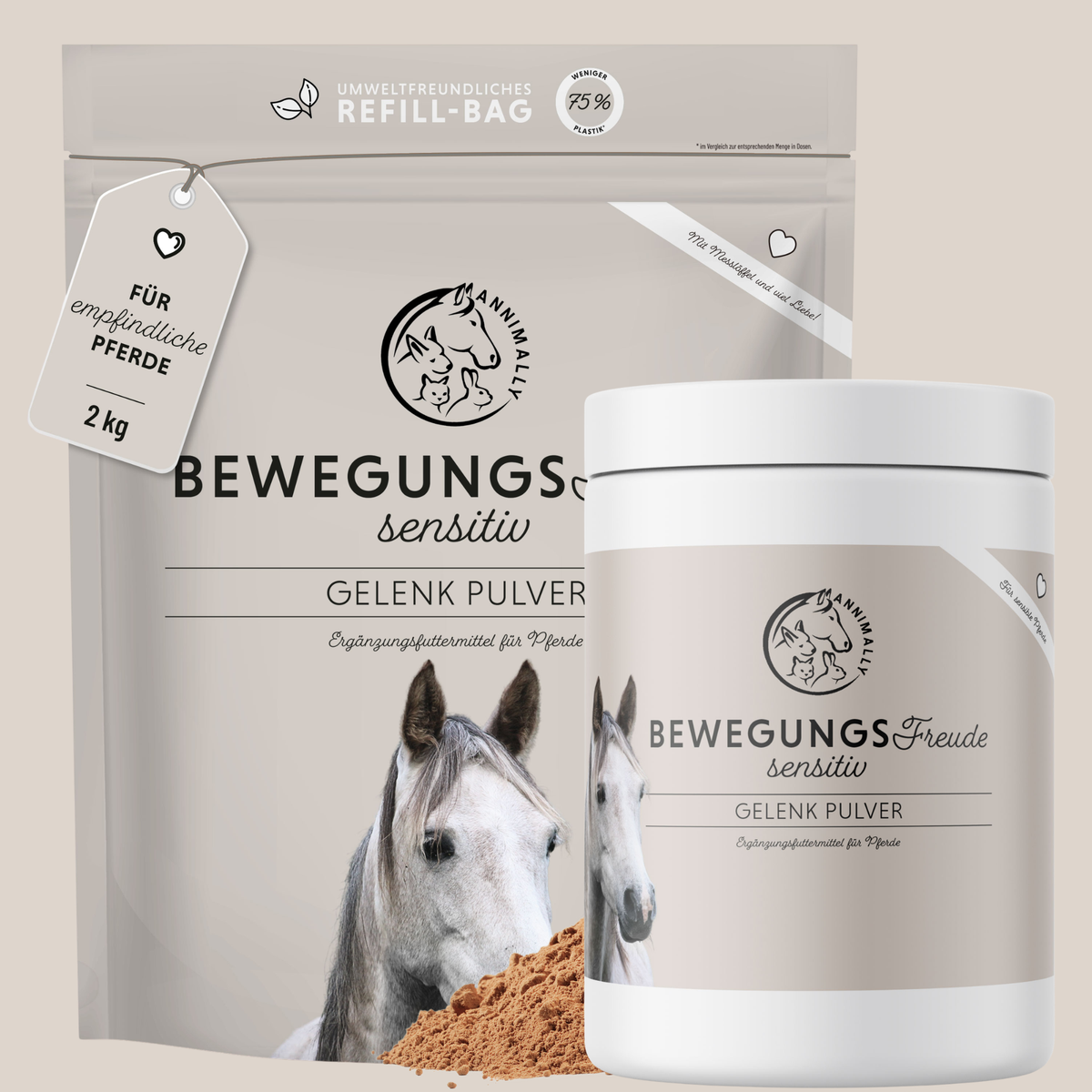
Nutrition and feed supplements: A balanced diet with special supplements such as omega-3 fatty acids, glucosamine, and chondroitin can support joint health. These substances help to maintain joint cartilage and prevent inflammation. Here you will find a range of suitable products for muscle building for your horse and for strengthening tendons, ligaments, and joints.
-
Weight control: Being overweight puts additional strain on the joints and can increase the risk of arthritis. Make sure your horse maintains its ideal weight.
-
Regular exercise: Horses should be exercised regularly to keep the joints in motion and promote circulation. Long periods of standing in the stall should be avoided.
-
Regular veterinary examinations: Through regular examinations, the veterinarian can detect early signs of joint inflammation and take appropriate action.
The influence of age on arthritis in horses
With increasing age, the risk of degenerative joint diseases and therefore joint inflammation rises. Older horses tend to become stiffer and show signs of lameness more frequently. Here, particularly careful care and adjustment of training are required to protect the joints and prevent inflammation.
Nutrition and joint health: The importance of a balanced diet for your horse
Nutrition plays a central role in your horse's general health, especially for the health of its joints. A balanced and nutrient-rich diet can not only improve the vitality and well-being of your horse but also help to prevent joint inflammation and alleviate existing joint problems.
Nutrients for healthy joints in horses
To optimally support your horse's joints, certain nutrients should not be missing from its daily diet:
-
Antioxidants: Antioxidants like vitamin C and E play an important role in the fight against free radicals, which can damage joint tissue. Through their anti-inflammatory effect, they help to slow down the wear of joint cartilage and reduce inflammation.
-
Omega-3 fatty acids: Omega-3 fatty acids are essential for joint health. They have a strong anti-inflammatory effect and can help to alleviate the symptoms of joint inflammation. Particularly valuable sources of omega-3 fatty acids are fish oil and linseed, which can be used in horse feeding to reduce the risk of inflammation and support the joints.
-
Glucosamine and chondroitin: These natural components of joint cartilage support the regeneration of cartilage tissue and help prevent its breakdown. Nutritional supplements containing glucosamine and chondroitin are particularly recommended for older horses or those with existing arthritis.
-
Minerals: An adequate supply of minerals such as zinc, copper, and manganese is essential for the synthesis of collagen, which is an important component of joint cartilage. These minerals promote the stability and elasticity of the joints and prevent degenerative changes.
The role of feeding in the prevention of arthritis
A balanced diet rich in anti-inflammatory and cartilage-supporting nutrients can make a significant contribution to the prevention of arthritis. A special focus should be on avoiding obesity, as excessive body weight places heavy strain on the joints and increases the risk of inflammation.
By targeted feeding of nutritional supplements containing special nutrients to support the joints, you can actively contribute to the prevention of joint inflammation. Such supplements are particularly recommended during times of increased stress, such as during intensive training phases or for older horses.
Practical feeding tips
-
Integrate omega-3-rich feeds: Add omega-3-rich feeds like linseed or fish oil to your horse's daily ration to benefit from their anti-inflammatory properties.
-
Choose high-quality supplements: Pay attention to the quality and composition of nutritional supplements specifically developed for joint health. Products containing glucosamine, chondroitin, and MSM (methylsulfonylmethane) are particularly effective.
-
Avoid overfeeding: Keep an eye on your horse's body weight and adjust the amount of feed accordingly to prevent obesity, which places additional strain on the joints.
A well-thought-out and balanced diet is a fundamental part of the holistic care and health promotion of your horse. By specifically using feed and supplements geared toward joint health, you can actively contribute to the longevity and mobility of your horse.
Importance of rehabilitation after joint inflammation in horses
Rehabilitation after joint inflammation is a crucial step on the way to full recovery. An individually adapted rehabilitation plan, which includes physiotherapy, controlled exercise, and, if necessary, hydrotherapy, helps your horse regain full mobility and performance. Careful monitoring and adjustment of the plan by the veterinarian or physiotherapist is important here to avoid relapses.
The holistic approach to joint health in horses
Joint inflammation/arthritis in horses is a complex and multifaceted disease that can be triggered by various factors. Early diagnosis and targeted treatment are crucial for maintaining your horse's quality of life and preventing long-term damage. Both medical interventions and preventive measures play an important role here.
A holistic approach that includes a balanced diet, adapted exercise, regular veterinary examinations, and careful maintenance of the musculoskeletal system is key to preventing arthritis in horses. In addition, the individual adjustment of training and hoof care is essential to avoid overloading and to promote joint health.
Even after successful treatment, ongoing observation and care of the joints remain important to prevent relapses. With the right care and attention, you can help your horse lead a healthy and active life despite the challenges that joint inflammation can bring.