
Suspensory ligament damage in horses – causes, symptoms, treatment and prevention
Suspensory ligament damage is one of the most common and serious injuries in horses, especially in competitive sports. This injury can have severe consequences for your horse's mobility and quality of life. In this comprehensive article, you will receive all the important information on the topic: from causes and symptoms to proper treatment and prevention. With the right knowledge, you can support your horse's health and prevent potential injuries.
What is suspensory ligament damage?
The suspensory ligament is one of the most important structures in a horse's leg. It begins above the fetlock joint and extends down to the sesamoid bones and the short pastern bone. As the central support of the fetlock joint, it plays a crucial role in the movement and stability of the horse. Suspensory ligament damage refers to an injury to this ligament, which, depending on the severity, can range from mild inflammation to a complete rupture. Such injuries are particularly common in equestrian sports, where high loads are placed on the musculoskeletal system.
How does suspensory ligament damage occur?
There are various causes that can lead to suspensory ligament damage. The most common causes are:
1. Excessive strain
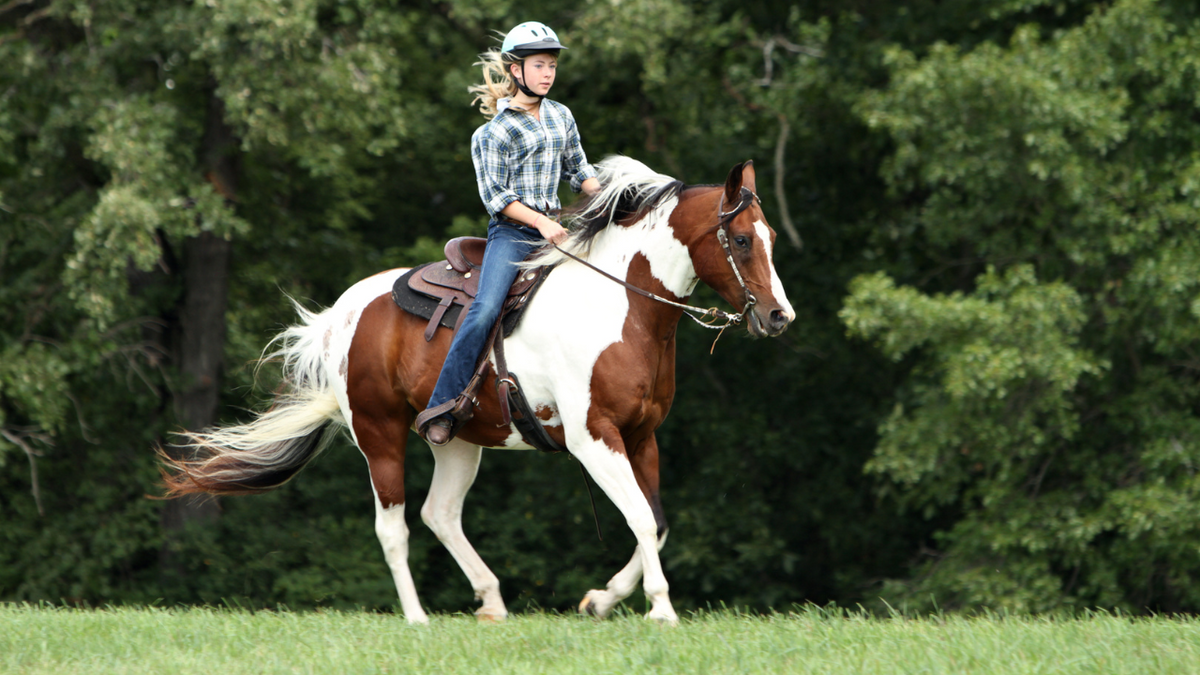
Horses used in tournament sports are particularly susceptible to suspensory ligament injuries. This is especially true for disciplines such as show jumping, eventing, and dressage, where the horse must constantly perform at peak levels. Repeated jumps or high-impact movements place the suspensory ligament under significant strain.
2. Insufficient warm-up
If a horse is not adequately warmed up before engaging in intense training or competitions, the risk of injury increases. The muscles, tendons, and ligaments are not sufficiently supplied with blood and stretched, which can lead to overexertion.
3. Ground conditions
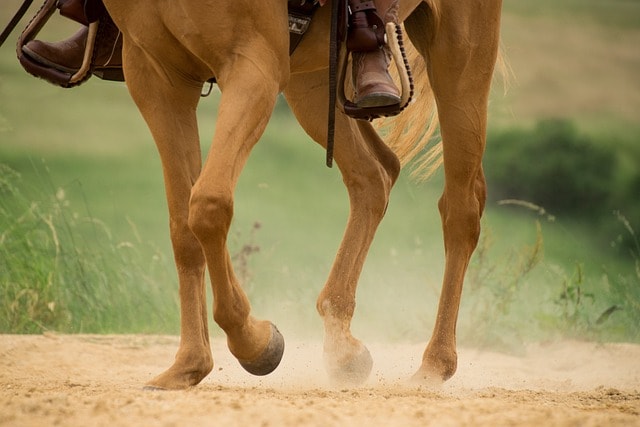
Another important factor is the ground conditions on which the horse is trained or exercised. Hard ground increases the impact on the legs, while ground that is too soft (such as deep sand) places greater strain on the musculoskeletal system because the horse has to work harder through the loose ground. Uneven ground can also lead to improper loading and thus damage the suspensory ligament.
4. Genetic predisposition and conformation issues
Some horse breeds or individually bred lines have a genetic predisposition for weaker tendons and ligaments, which increases the risk of suspensory ligament injuries. Additionally, limb conformation issues lead to uneven loading and thus to the overexertion of individual tendons and ligaments.
Symptoms of suspensory ligament damage in horses
Suspensory ligament damage is usually noticeable through symptoms such as lameness. The intensity and type of lameness can vary depending on the severity of the injury. The following symptoms are typical:
-
Lameness: The horse often limps more on soft ground than on hard surfaces.
-
Swelling and heat: Visible swelling may occur around the cannon bone of the horse's leg, often accompanied by heat.
-
Irregular gait: Even the slightest irregularities in movement can indicate the onset of suspensory ligament damage.
It is important to take even the smallest signs of suspensory ligament damage seriously and consult a veterinarian early on to avoid worsening the injury.
Diagnosis of suspensory ligament damage in horses
The diagnosis of suspensory ligament damage is usually made by a veterinarian. First, the horse is presented at a walk and trot on different ground conditions. Often, the lameness is more apparent on soft ground. Additionally, the veterinarian performs a flexion test to assess the resilience of the tendons.
If swelling and heat are present, this is already a clear indication of suspensory ligament damage. To clarify further, an ultrasound is usually performed to determine the extent of the injury. In severe cases, especially with diffuse or poorly visible damage, magnetic resonance imaging (MRI) may also be required.
What forms of suspensory ligament damage are there in horses?
Suspensory ligament damage can manifest in different ways, relating to the severity and type of injury:
-
Irritation: A mild form of injury where the suspensory ligament is minimally affected. A short rest period is often sufficient here.
-
Strain: Increased strain leading to overstretching of the suspensory ligament. The horse must be rested for a longer period.
-
Inflammation: A reaction to overexertion where the suspensory ligament is highly swollen and warmer than the surrounding tissue.
-
Tearing of tendon fibers: In particularly severe cases, individual fibers or even the entire suspensory ligament can tear. In such cases, healing is long-term, and the horse may never be able to handle full exertion again.
First steps for suspensory ligament damage in horses
As soon as you suspect suspensory ligament damage, you should immediately rest the horse and cool the leg. Cold therapy helps to reduce swelling and inflammation. Stall rest is indispensable in the acute phase to prevent further strain on the injured ligament.
It is important that you do not treat it on your own but always consult a veterinarian. They can assess the severity of the injury and suggest the appropriate treatment.
Treatment options for suspensory ligament damage in horses
Healing from suspensory ligament damage requires time, patience, and precisely coordinated treatment. Depending on the severity of the injury, different therapeutic approaches can be chosen:
-
Cold and heat therapy: In the acute phase, cold helps to reduce swelling. In later stages, heat can promote circulation and support healing.
-
Shockwave therapy: This modern form of therapy stimulates blood circulation and metabolism in the injured tissue, thus accelerating the healing process.
-
Autologous blood therapy (PRP): With this method, processed blood plasma is injected into the suspensory ligament to promote regeneration and minimize scar tissue formation.
-
Physiotherapy and controlled exercise: After a period of absolute rest, the horse should be carefully accustomed to exercise again. Controlled walking is particularly important to make the horse's tendon and tendon fibers supple again and to prevent adhesions.
How long does it take for suspensory ligament damage to heal?
The duration of healing depends heavily on the extent of the injury. With minor irritation, the horse can often be put back to work after a few weeks, while more severe injuries can take several months, sometimes even up to a year, to heal completely. It is important that you closely monitor the healing process in consultation with your veterinarian and do not put the horse back to work too soon. Returning to work too early can delay recovery and increase the risk of permanent damage.
Nutrition as support for recovery
Proper feeding plays an important role in the healing of suspensory ligament injuries. Certain nutrients support the regeneration of tendons and ligaments. These include:
-
Magnesium: Promotes muscle and tendon health and helps prevent cramping.
-
Vitamin E: Has an antioxidant effect and protects tendon cells from damage by free radicals.
-
Omega-3 fatty acids: Have an anti-inflammatory effect and support the healing of tissue damage.
Ensure that the horse does not receive too much high-energy feed during the rest phase, as they have less exercise and can gain weight more quickly.
Physiotherapy and rehabilitation
After the acute phase, rehabilitation begins. One of the most important measures is walking therapy, where the horse is slowly and carefully brought back into movement. This process must be done gradually so as not to overload the newly healed tissue. Working closely with a physiotherapist or chiropractor can help relieve tension and restore the horse's mobility.
Long-term effects of suspensory ligament damage
Even after a successful recovery from suspensory ligament damage, the affected leg often remains more sensitive than before. Therefore, you should always be particularly alert for signs of overexertion and not train your horse intensively again too soon. Some horses tend to have recurring problems after such an injury, especially if the root cause was not addressed.
Prevention of suspensory ligament damage
The best treatment for suspensory ligament damage is prevention. You can minimize the risk of such damage with the following measures:
-
Regular hoof care: Well-maintained hooves ensure even loading and prevent conformation issues that could unnecessarily strain the suspensory ligament.
-
Gradual warm-up: Begin every training session with a slow and controlled warm-up program to prepare the tendons and muscles for the upcoming strain.
-
Avoidance of deep ground: Riding on ground that is too soft or deep, such as sand, can put a lot of strain on the tendons. Ensure well-prepared training surfaces to reduce the load.
-
Varied training: Varied training plans that do not rely solely on intense jumping or fast gaits can help prevent uneven strain on the tendons. Make use of rest phases and gymnastic exercises.
How to recognize early signs of impending suspensory ligament damage?
Many horses show small signs before acute lameness occurs, which you should take seriously. These include:
-
A slight hesitation during the transition from walk to trot.
-
Minimal irregularities in the gait, which are often only noticeable on soft ground.
-
A slight swelling in the area of the suspensory ligament that sometimes disappears after training.
If you notice these signs, you should act immediately. A break in training and a check-up by a veterinarian can prevent the damage from worsening.
Prognosis: Can my horse be fully worked again after suspensory ligament damage?
Whether a horse can return to full work after suspensory ligament damage depends on the severity of the injury and the proper rehabilitation. Mild to moderate injuries often heal completely if detected and treated early. In many cases, horses can regain their original performance capability, especially if the cause of the injury has been eliminated.
However, with severe injuries or a complete rupture of the suspensory ligament, the prognosis can be worse. In some cases, horses may need to be retired from competitive sports and used as pleasure horses to avoid renewed overexertion.
Special risks for sport horses: What do you need to consider?
Sport horses are particularly susceptible to suspensory ligament damage, especially in disciplines like show jumping or dressage. These horses are often subjected to high loads that place a heavy strain on the suspensory ligament. If you have a sport horse, you should pay attention to the following:
-
Breaks in daily training: Horses that train regularly at a high level need sufficient recovery phases to regenerate.
-
Regular check-ups: Regular examination of tendon health by a veterinarian can help detect tendon damage and early signs of suspensory ligament damage early.
-
Adjusted equipment: Particularly well-fitting horseshoes or special shoeing can help optimally support the horse and distribute the load evenly.
Role of the veterinarian in prevention and aftercare
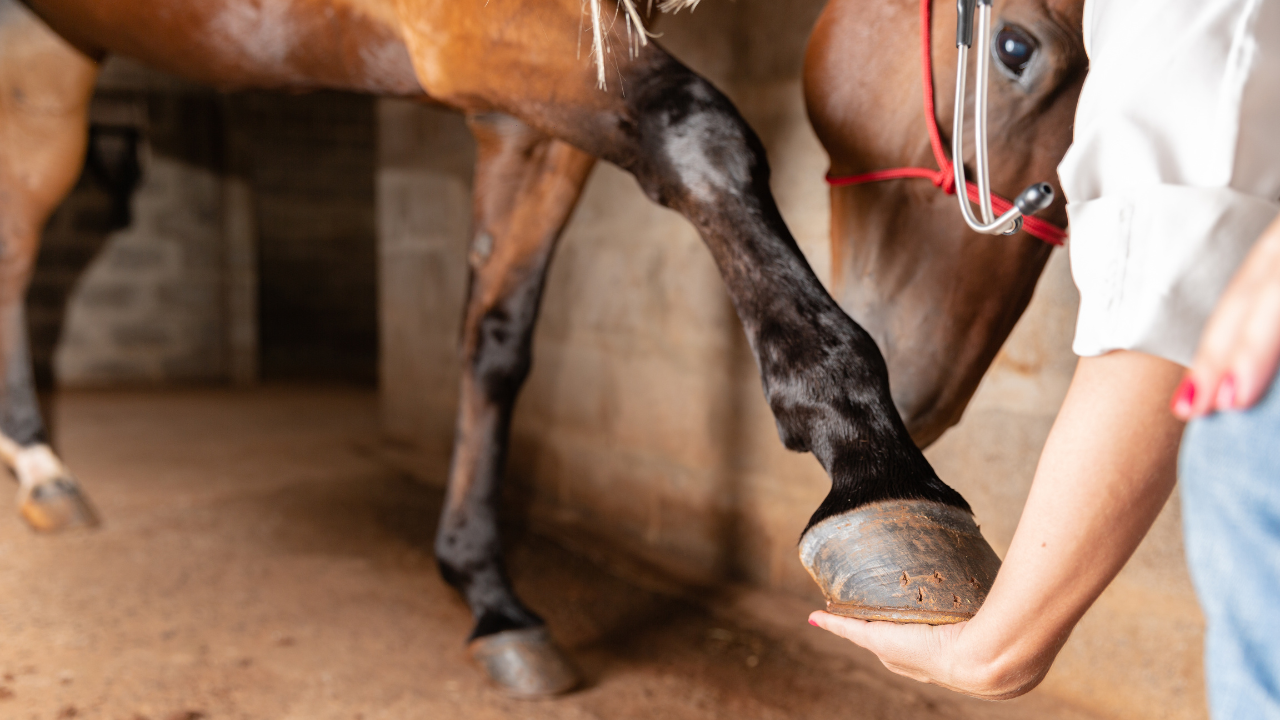
An experienced veterinarian plays a central role in the treatment and prevention of suspensory ligament damage. In addition to diagnosis and choosing the right therapy, the veterinarian also supports your horse through the rehabilitation phase. Regular checks and ultrasound examinations help to monitor the healing process and make adjustments to training.
Working with a physiotherapist can also be useful for maintaining the horse's mobility and releasing tension through targeted exercises.
Conclusion: Suspensory ligament damage in horses – Patience, prevention, and proper care are decisive
A suspensory ligament injury is a complex and serious injury that requires thoughtful and long-term treatment. For horse owners, it is crucial to recognize the symptoms early and take immediate action. A correct diagnosis by a veterinarian plays a central role in initiating the appropriate treatment. Depending on the severity of the damage, the healing phase can take several months up to a year, during which the horse must be carefully monitored and gradually reintroduced to exercise.
One of the most important insights is that prevention is key to avoiding suspensory ligament injuries. Through regular hoof care, a balanced training program, and attention to suitable ground conditions, you can significantly reduce the risk. Especially in competitive sports, where the strain on the limbs is high, warm-up and cool-down phases should always be observed. Genetic factors and potential limb misalignments must also not be overlooked, as they can increase the risk of suspensory ligament injuries.
Modern therapy methods such as shockwave therapy or platelet-rich plasma (PRP) therapy offer good options for accelerating the healing process and supporting the regeneration of the damaged suspensory ligament. Nevertheless, recovery from a suspensory ligament injury remains a lengthy process that requires a lot of patience and close cooperation with veterinarians and therapists.
In summary, although a suspensory ligament injury is a serious condition that can affect a horse in the long term, there are good chances for recovery with the right treatment. Above all, through targeted preventive measures, you can reduce the strain on your horse and ensure its long-term health.