
The horse's immune system: How you can strengthen it
Spring has arrived, and the joy of finally being able to ride out again and enjoy the pasture is great.
However, spring also brings challenges for your horse's health. In particular, the fluctuations in temperature during the transitional period can place a significant burden on the horse's immune system and make horses more susceptible to infections and diseases.
A strong and well-functioning immune system is crucial for your horse to remain healthy and vital. In this article, you will learn everything important about how you can sustainably strengthen it – from proper feeding and the targeted administration of vitamins and trace elements to measures for stress avoidance.
Why is the horse's immune system so important?
It is the body's defense system and protects against harmful influences such as viruses, bacteria, and parasites. It ensures that pathogens are warded off or combated before they can cause major damage. Furthermore, a strong immune system helps to repair damaged cells and maintain healthy bodily functions.
The most important functions of the immune system in horses:
-
Protection against pathogens: The immune system recognizes and fights harmful bacteria, viruses, fungi, and parasites.
-
Cell repair: Damaged cells are detected and eliminated to prevent infections.
-
Wound healing: A strong immune system supports the healing process after injuries and ensures a quick recovery.
To perform these tasks, the immune system consists of various components. The body's most important defense mechanisms include the skin, mucous membranes, the blood and lymphatic system, and the gut. The gut, in particular, plays a central role in the horse's defense system.
The horse's gut as the key to the immune system
Did you know that up to 80 percent of immune cells are located in your horse's gut? The gut is not only responsible for digestion but is also an important part of the immune defense. A healthy gut flora is crucial for warding off harmful microorganisms and absorbing nutrients effectively.
Tasks of the gut in the immune system:
-
Production of antibodies: So-called lymphocytes are immune cells produced in the gut that neutralize pathogens.
-
Maintenance of gut flora: A healthy gut flora consists of "good" bacteria and fungi that maintain the balance in the gut and prevent harmful organisms from taking over.
-
Barrier function: The gut forms a natural barrier against harmful substances and prevents them from entering the bloodstream.
Because the gut is so closely linked to the immune system, a disturbed gut flora negatively affects the horse's defenses. A balanced diet and proper feeding are therefore essential for supporting the immune system.
How can you recognize a weakened immune system in horses?
A weakened immune system can manifest itself in different ways. Often, your horse shows signs of fatigue, is more susceptible to illnesses, or suffers from skin problems. Here are some typical symptoms that indicate a weak immune system:
Common signs of a weakened immune system in horses:
-
Lethargy and fatigue: If your horse has less energy than usual and is not as lively as before, this could be a sign of a weak immune system.
-
Skin problems: Eczema, hair loss, or skin irritations often occur with a weakened immune system because the skin is no longer able to sufficiently defend against harmful influences.
-
Increased susceptibility to infections: If horses get sick more frequently or recover more slowly from illnesses, it is a clear sign that their defenses are weakened.
-
Digestive problems: Disturbed gut function can manifest as diarrhea, constipation, or gas and further weakens the immune system.
If you observe one or more of these symptoms in your horse, you should take measures to strengthen the immune system and restore your horse's health.
Strengthening the immune system: Proper feeding as the basis of equine nutrition
A balanced and healthy diet is the first step in supporting your horse's immune system. Horses rely on roughage such as hay and grass, which not only stimulates their digestion but also provides important nutrients that strengthen the immune system.
Roughage: The foundation of horse feeding
High-quality roughage is the basis for a healthy immune system. It provides the gut with important fiber that supports "good" bacteria in the gut and keeps the gut flora in balance. Ensure that your horse receives enough hay or straw daily, as these food sources are particularly rich in fiber.
-
Hay: Hay is the most important roughage source for horses and should be available daily in sufficient quantities. It promotes digestion and provides the body with important nutrients.
-
Grass: Fresh grass also provides valuable nutrients and is a good supplement to feeding, especially during the grazing season. Make sure your horse is slowly accustomed to the fresh green to avoid digestive issues.
Concentrated feed as a supplement to daily feeding
In addition to roughage, special supplementary feeds can also make sense to strengthen your horse's immune system. Especially during phases of increased strain, such as during coat shedding or in stressful situations, concentrated feed can help meet nutritional requirements.
-
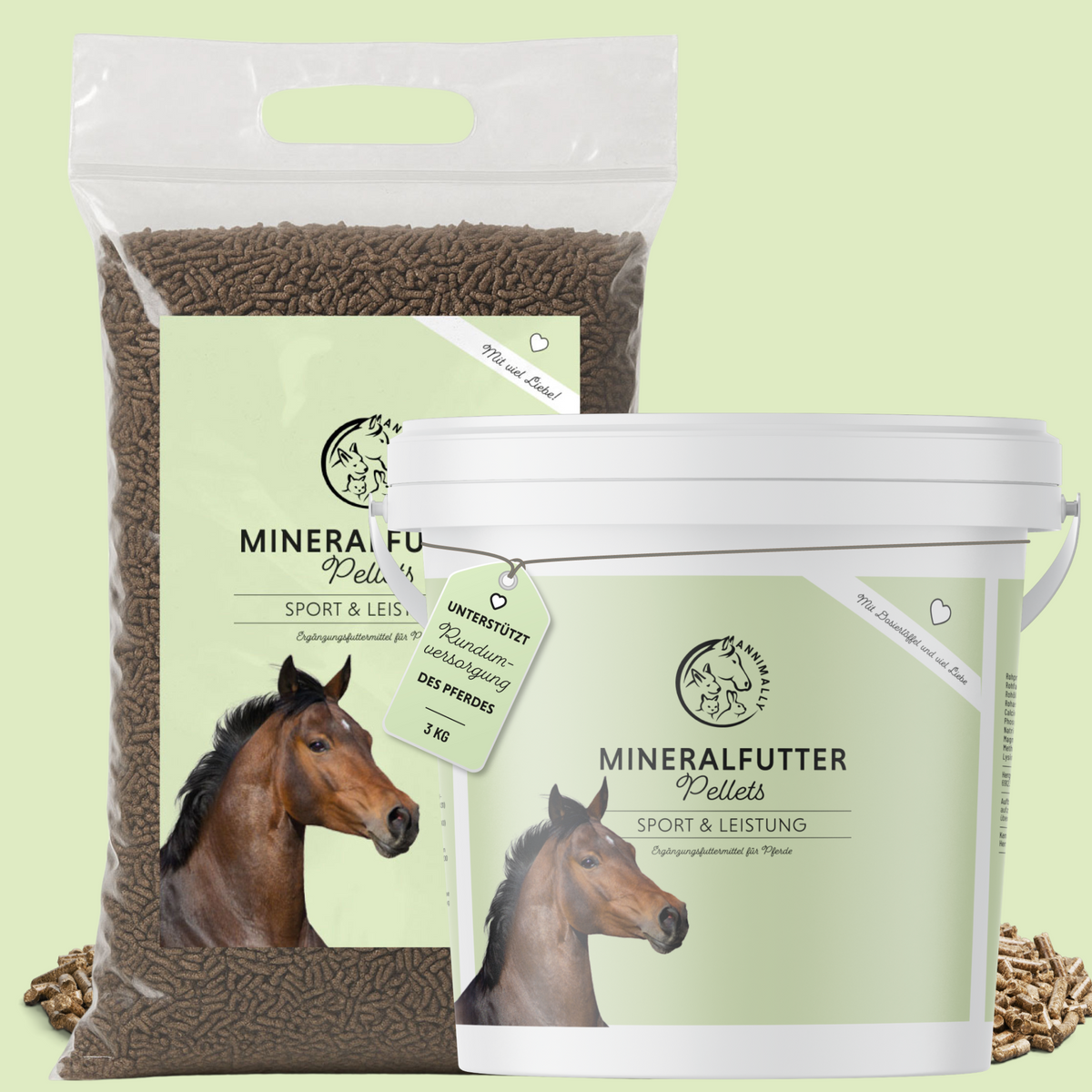
Mineral feed: Mineral feed contains important vitamins and trace elements necessary for the immune system. It should be regularly integrated into the diet to prevent deficiency symptoms.
-
Nutritional supplements: In times of increased strain, the administration of special nutritional supplements can be useful. These include, for example, probiotics and prebiotics, which strengthen the gut flora and support the immune system.
Ensure that the feeding is individually tailored to your horse's needs. Not every horse requires the same amount of feed or supplements. Consultation with a veterinarian or a feeding expert can help in creating an optimal feeding plan.
Vitamins and trace elements for a strong horse immune system
Vitamins and trace elements are indispensable for your horse's immune system. They support immune defenses and ensure that the body can maintain all important functions. Many of these nutrients can be absorbed through feeding, but in some cases, nutritional supplements are necessary to avoid deficiency symptoms.
Important vitamins for the horse's immune system:
-
Vitamin C: Vitamin C is a powerful antioxidant that neutralizes free radicals and strengthens the immune system. It helps fight infections and promotes wound healing.
-
Vitamin E: Vitamin E supports muscle function and also acts as an antioxidant that protects cells and strengthens the immune system.
-
Vitamin A: This vitamin is important for mucous membranes and skin health. It helps maintain the body's barrier function and protects against infections.
-
Vitamin D: Vitamin D is important for bone health and the immune system. It supports calcium absorption and strengthens defenses.
Trace elements and minerals:
-
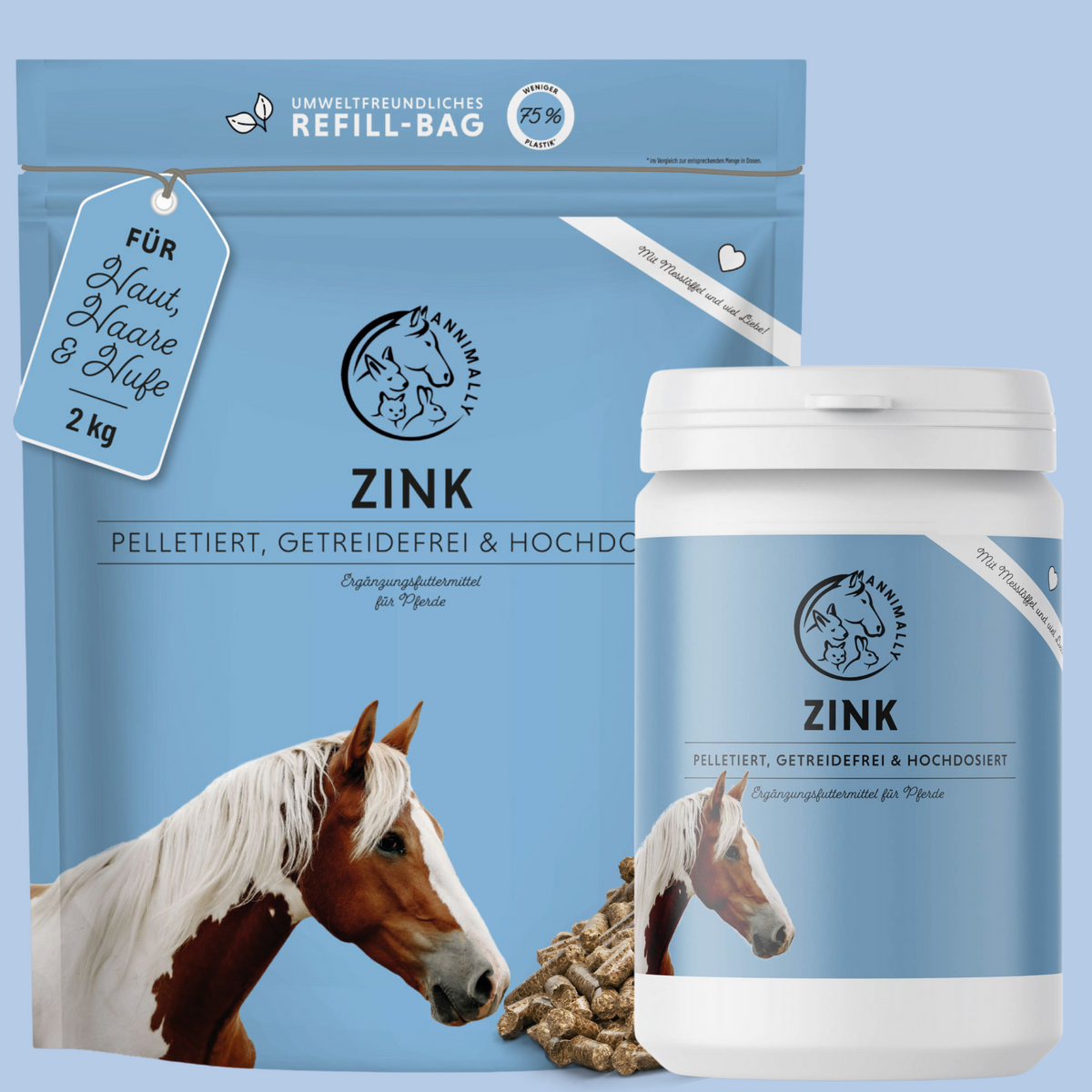
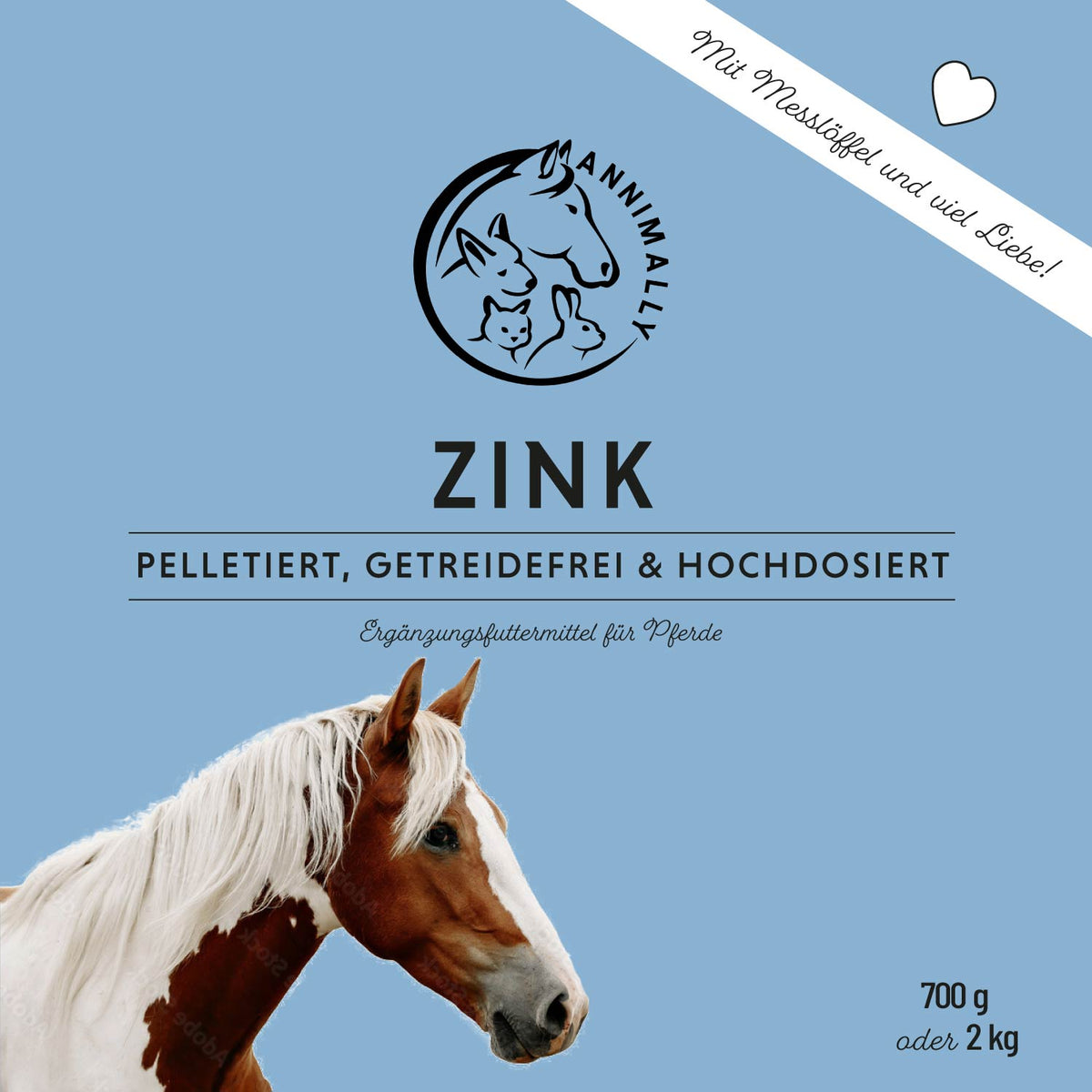
Zinc: Zinc plays a central role in wound healing, skin health, and immune function. A zinc deficiency can lead to skin problems and weakened defenses. The need for zinc is particularly increased during coat shedding.
-
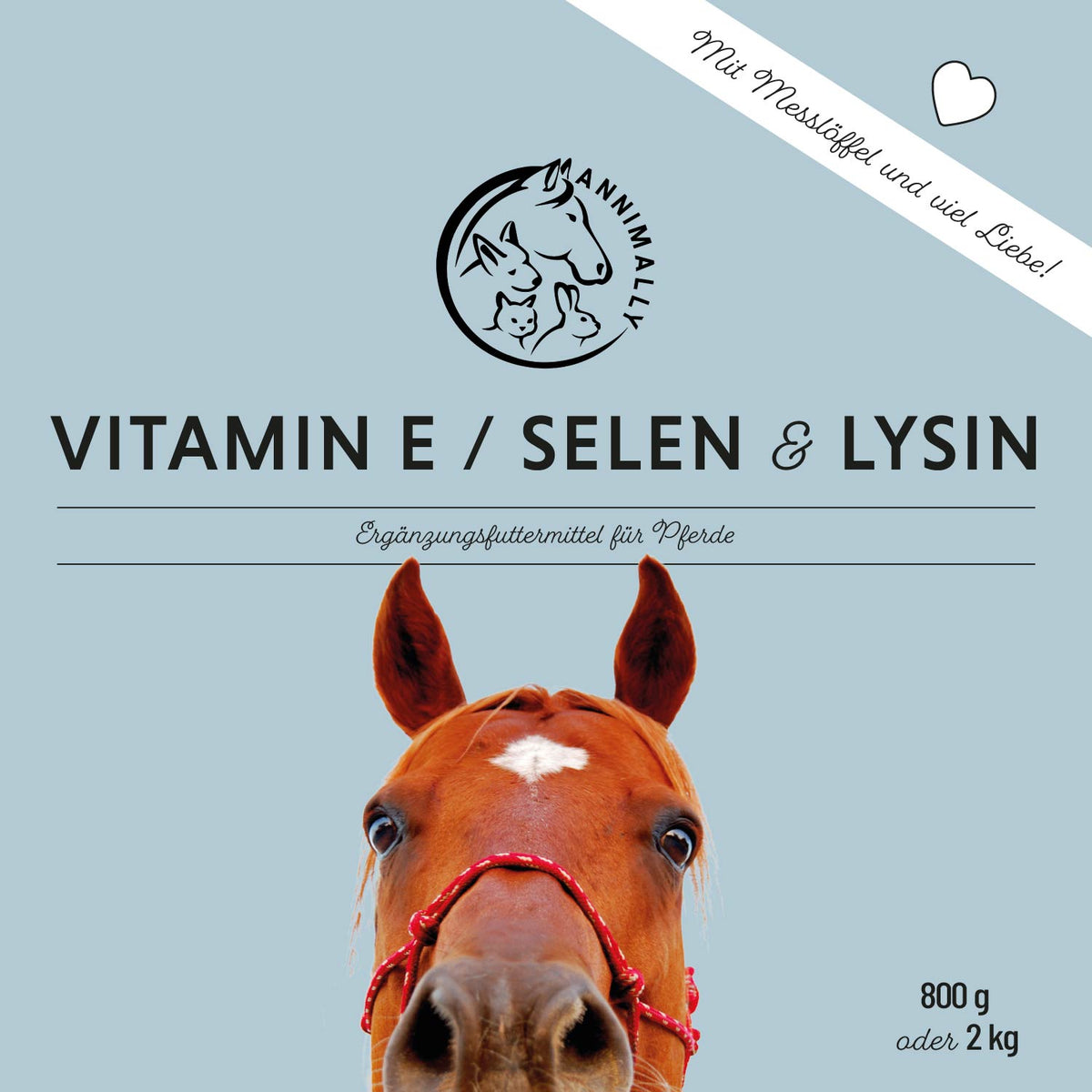
Selenium: Selenium is another antioxidant that neutralizes free radicals and protects cells. It supports the immune system and muscle function.
-
Magnesium: Magnesium is important for muscle function and helps reduce stress. Since stress can weaken the immune system, sufficient magnesium intake is crucial.
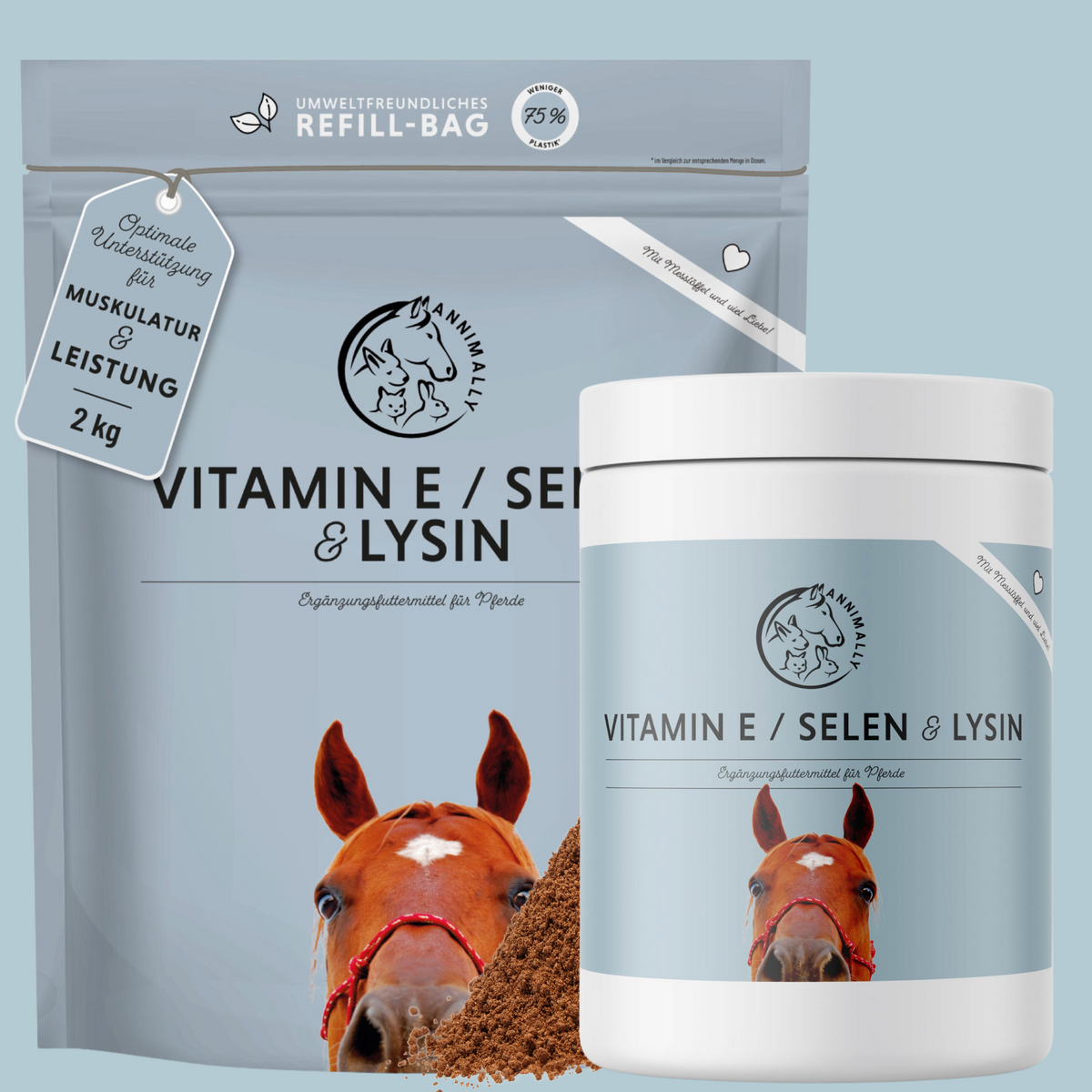
If your horse is not absorbing enough of these important vitamins and minerals through its feed, you can offer appropriate dietary supplements. You can find a range of suitable products in our online shop. However, be sure to choose the correct dosage, as an excess of certain nutrients can have negative effects.
Herbs can also contribute to strengthening the horse's immune system. Certain herbs such as echinacea, thyme, and ginger are considered natural helpers for horses' immune defenses. These plants are said to have anti-inflammatory properties and actively support the body's own defenses.
When using herbs, it is crucial to ensure high quality and a safe source. In addition, they should be integrated into your horse's diet gradually and carefully.
Reducing stress: An important factor for a strong horse immune system
Stress is one of the greatest enemies of the immune system. When horses are under constant stress, their defenses are weakened, and the risk of infection and disease increases. Stress can be triggered by various factors, such as changing stables, transport, vet visits, or intensive training sessions. Extreme environmental influences such as cold, heat, or prolonged rain also affect your horse and can strain the immune system.
Tips for reducing stress in horses:
-
Sufficient exercise: Horses are flight animals and need daily exercise to reduce stress and promote their health. Regular rides or time in the pasture help to stimulate circulation and strengthen defenses.
-
Species-appropriate husbandry: Species-appropriate housing is crucial for your horse's well-being. Make sure your horse has enough space to move around and that it lives in a quiet and stress-free environment.
-
Social contact: Horses are herd animals and feel most comfortable in the company of other horses. Ensure your horse has regular contact with other conspecifics to avoid boredom and isolation.
-
Avoiding overexertion: Intensive training sessions or competitions can quickly overwhelm your horse and lead to a stressed state. Plan training so that your horse has sufficient breaks and is not overloaded.
By minimizing sources of stress and providing your horse with a species-appropriate environment, you support its immune system and ensure a healthy and balanced life.
Measures to improve environmental conditions
The environment in which your horse lives plays a decisive role in its health and well-being. A clean and hygienic environment helps reduce the risk of infections and diseases.
Hygiene in the stable:
-
Clean stables: The stable should be cleaned regularly to prevent the accumulation of dirt and pathogens. Thorough cleaning is important, especially in winter when horses spend more time in the stable.
-
Fresh bedding: Clean and dry bedding ensures your horse feels comfortable and reduces the risk of skin infections. Ensure that the bedding is changed regularly.
-
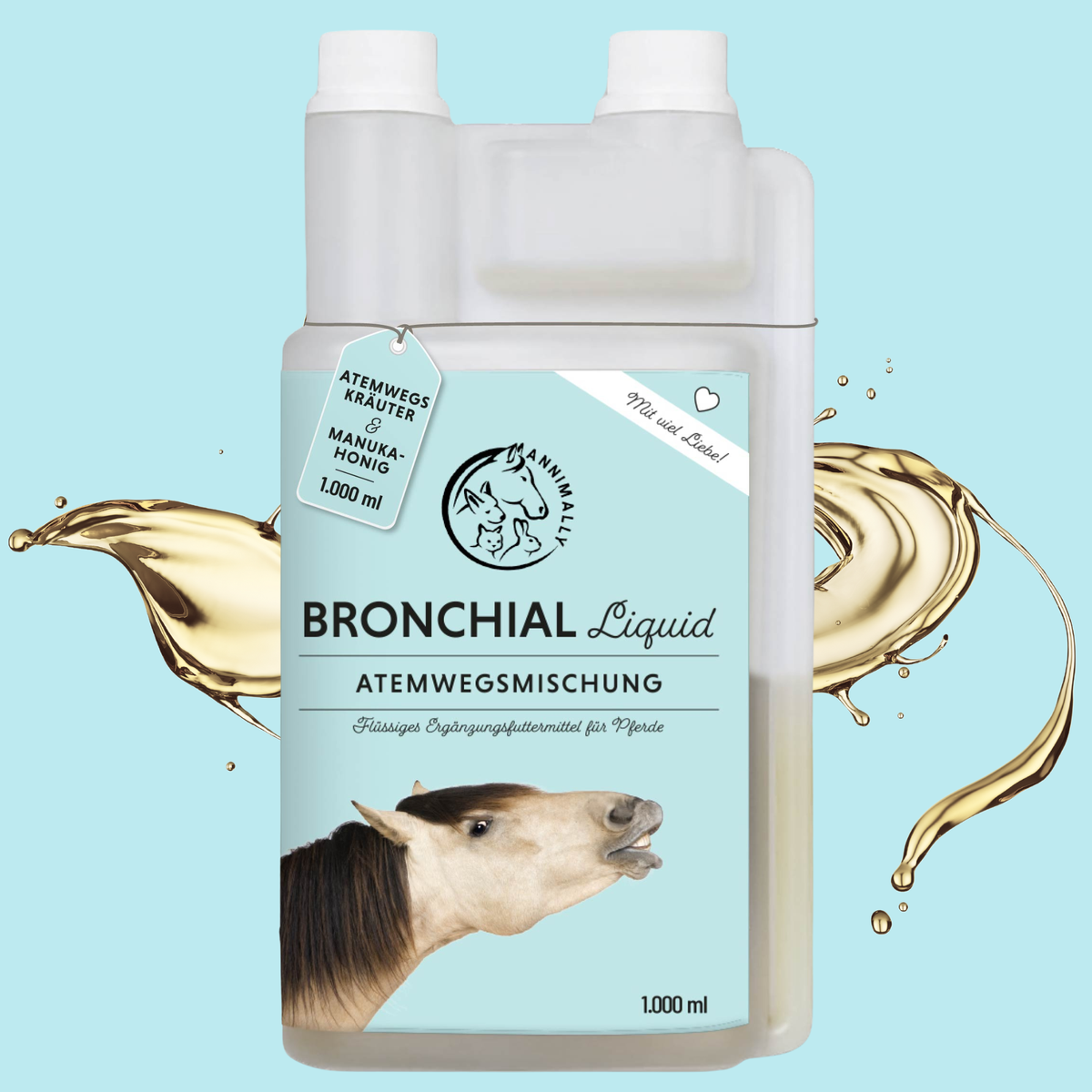
Ventilation: Good ventilation in the stable is crucial to improve air quality and prevent respiratory diseases. Ensure the stable receives enough fresh air without creating drafts.
Conclusion: How to strengthen your horse's immune system for a long and healthy life
Your horse's immune system is a complex network that works tirelessly to protect the body from harmful influences such as pathogens, stress, and environmental factors.
A central building block for a strong immune system is proper feeding. High-quality roughage, such as hay and grass, forms the basis for stable health by promoting digestion and providing essential nutrients.
Furthermore, vitamins, trace elements, and minerals play a key role. Zinc, selenium, and vitamins C and E in particular are essential for strengthening your horse's defenses and supporting its regenerative capacity. Ensure that your horse is adequately supplied with these micronutrients, either through a balanced diet or targeted nutritional supplements.
Since up to 80 percent of immune cells are located in the gut, a healthy gut flora is indispensable. The right nutrition and high-quality probiotics promote the balance of "good" bacteria and contribute to the immune system being able to work optimally. A stable gut not only protects against digestive problems but also against harmful intruders.
Stress is an often underestimated factor that can significantly strain the immune system. External influences such as changing stables, transport, or intensive training can quickly throw the immune system off balance. Therefore, make sure to avoid stressful situations as much as possible and allow your horse sufficient rest and recovery. Regular exercise, social contact with other horses, and species-appropriate husbandry are also essential for stress reduction and strengthening the immune system.
Environmental conditions also play an important role. A clean and well-ventilated stable, regular hygiene, and fresh bedding contribute to your horse feeling comfortable and being protected from pathogens. Good air quality and hygiene in the stable prevent respiratory diseases and skin infections, which could place additional strain on the immune system.
In summary: To optimally strengthen your horse's immune system, you should adopt a holistic approach. Proper feeding, targeted nutrient intake, stress-free living conditions, and a clean environment are the essential building blocks for a strong and resilient immune system. If you keep these factors in mind and take good care of your horse, you create the best conditions for your four-legged friend to remain healthy, vital, and full of energy – not just in spring, but all year round.
With good care and a strong immune system, nothing stands in the way of a long and happy life for your horse.