
Can dogs eat peanuts? The detailed guide
Peanuts are a popular snack for us humans, but are dogs allowed to eat them at all? As a dog owner, you may have already wondered if your four-legged friend can have a nibble when you treat yourself to a handful of nuts. While peanuts contain some valuable nutrients, they also carry risks that you should definitely be aware of.
In this article, you will learn what you need to consider as a dog owner when offering your dog peanuts – and which healthy alternatives are available.
Why dogs are so curious about nuts
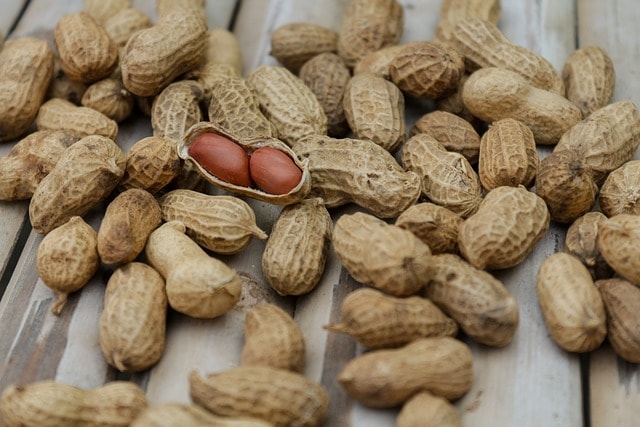
Many dogs are fascinated by what we eat, and peanuts, for example, are very popular with some dogs. The intense smell and taste of peanuts attract many four-legged friends, and the high fat content also makes these nuts particularly interesting to them. But before you offer your dog a peanut, it is important to know the potential risks and benefits.
Can dogs eat peanuts? What you should know
The good news for you is that, in general, dogs can eat peanuts – but only in small quantities and under certain conditions. The peanut should be untreated, meaning natural and without salt or spices. Salted or seasoned nuts are not suitable for dogs and can cause health problems.
Benefits of peanuts for dogs: Which nutrients they provide
Peanuts contain a number of nutrients that can be beneficial for dogs in moderation. The most important include:
Proteins: Peanuts provide plant-based proteins that can contribute to your dog's energy supply.
Healthy fats (omega-3 fatty acids): The fats in peanuts can support skin and coat and provide your dog with quick energy.
Vitamin E and vitamin B: These vitamins help to strengthen the immune system and boost the metabolism.
Despite these benefits, peanuts should always remain an occasional snack.
The risks of peanuts for your dog
Although peanuts are nutritious, they are also very high in calories and fat, which can quickly become problematic for dogs. Too much fat can strain the digestive system and lead to obesity. Digestive issues are also common consequences if dogs eat large quantities of nuts.
Another risk is that some dogs are allergic to peanuts. You should definitely keep this in mind before giving your dog a peanut.
Aflatoxins: A major risk for dogs
As a dog owner, you should educate yourself about the risk of aflatoxins. Aflatoxins are dangerous mold toxins often found on peanuts. Even in small amounts, they can severely damage your dog's liver. That is why it is important to use only fresh, high-quality peanuts and to dispose of old or spoiled nuts.
Salted or seasoned peanuts? Why you should avoid them
Salted or seasoned peanuts are an absolute no-go for dogs. Salt can disrupt your dog's water balance and raise blood pressure, while spices like paprika or onion powder can be toxic. Therefore, never give your dog salted or otherwise treated peanuts!
Why peanut shells are dangerous
The shells of peanuts are hard and can cause problems in the digestive tract. Since they are difficult to digest, they can lead to blockages or even injuries, which in the worst-case scenario could make surgery necessary. Additionally, the shell can also contain aflatoxins, which further increases the risk to your dog.
How many peanuts are safe for dogs?
Peanuts should only be given to dogs as an occasional treat in small quantities. One or two unsalted, shelled peanuts are completely sufficient and already provide your dog with a tasty experience. Too many peanuts could quickly lead to a calorie overload, and small dogs in particular react sensitively to larger amounts.
Which dogs should avoid peanuts?
Not every dog tolerates them. In particular, dogs that are allergic to nuts should not eat peanuts. Likewise, dogs with sensitive stomachs or pancreatic diseases should steer clear of peanuts. If your dog is overweight, high-fat peanuts are also not the best choice.
Allergic reactions in dogs: What to look for
Allergic reactions to peanuts are not uncommon in dogs and can cause various symptoms. Watch for signs such as:
-
Itching and rashes
-
Redness and swelling
-
Vomiting and diarrhea
-
In severe cases, even shortness of breath
If you notice such symptoms in your dog after eating a peanut, you should see a veterinarian.
Peanuts as a protein source for dogs: Recommended or not?
Even though peanuts contain a lot of plant-based protein, there are better protein sources for dogs, such as chicken, fish, or beef. Plant-based proteins are harder for dogs to process than animal proteins because their digestive system is specialized for animal proteins. If you want to provide your dog with a protein-rich diet, animal sources are often the better choice.
Peanut butter for dogs – a good idea?
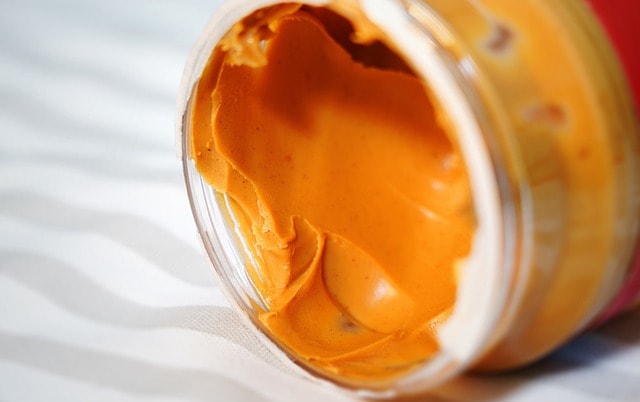
Many dogs love peanut butter, and it can indeed be a tasty treat in small amounts. However, make sure it contains no sugar or xylitol, as xylitol is highly toxic to dogs. It is best to choose pure, natural peanut butter without additives and only give it in small quantities.
Alternative snacks to peanuts for dogs
There are many healthy alternatives to peanuts that you can safely offer your dog:
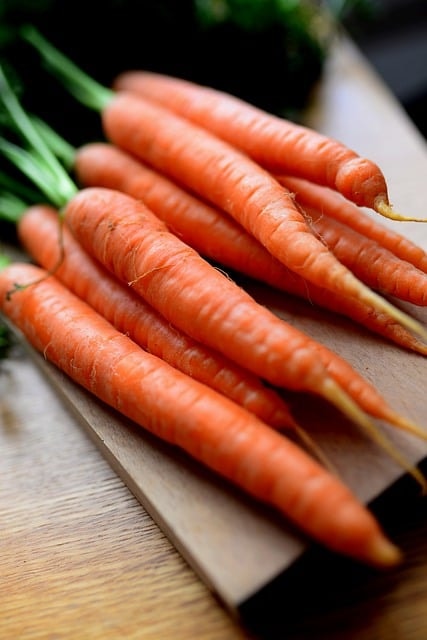
Carrots: Crunchy, low in calories, and full of vitamins – ideal for dogs!
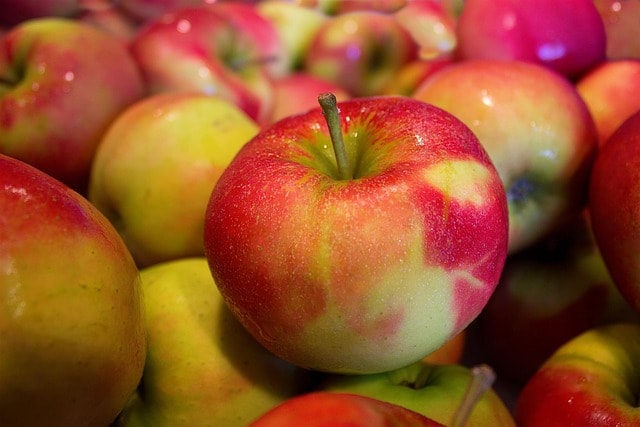
Apples (without seeds): A healthy change in small pieces.
Cooked chicken: Rich in protein and easy to digest – a perfect reward for dogs.
These alternatives provide important nutrients without the risks associated with peanuts.
Conclusion: Can dogs eat peanuts?
Peanuts can be a little treat for dogs – but only under certain conditions. Dog owners should ensure they only give unsalted, shelled peanuts in small amounts. Alternatively, other snacks like carrots, apples, or chicken meat are often the better choice.
Tips for safely introducing peanuts into your dog's diet
If you want to offer your dog peanuts or new snacks, always start with a small amount. Observe your dog closely after consumption for allergic reactions or digestive problems. If your dog reacts sensitively, avoid feeding peanuts in the future and stick to other well-tolerated treats.
Should peanuts be a permanent part of your dog's diet?
Peanuts are not part of your dog's regular diet. While they do provide nutrients that can be beneficial for dogs, there are better alternatives that are easier to digest and healthier. High-quality dog food and fresh fruit or vegetables provide your dog with a balanced and complete diet.
Which nuts are dogs allowed to eat?
Not all nuts are suitable for dogs, and some can even be poisonous. Safe for dogs are almonds (in small quantities), cashews, and, as we have already learned, unsalted, unroasted peanuts. Conversely, dogs should never eat walnuts, macadamia nuts, or pecans, as some are toxic or difficult to digest and can cause serious health problems.