
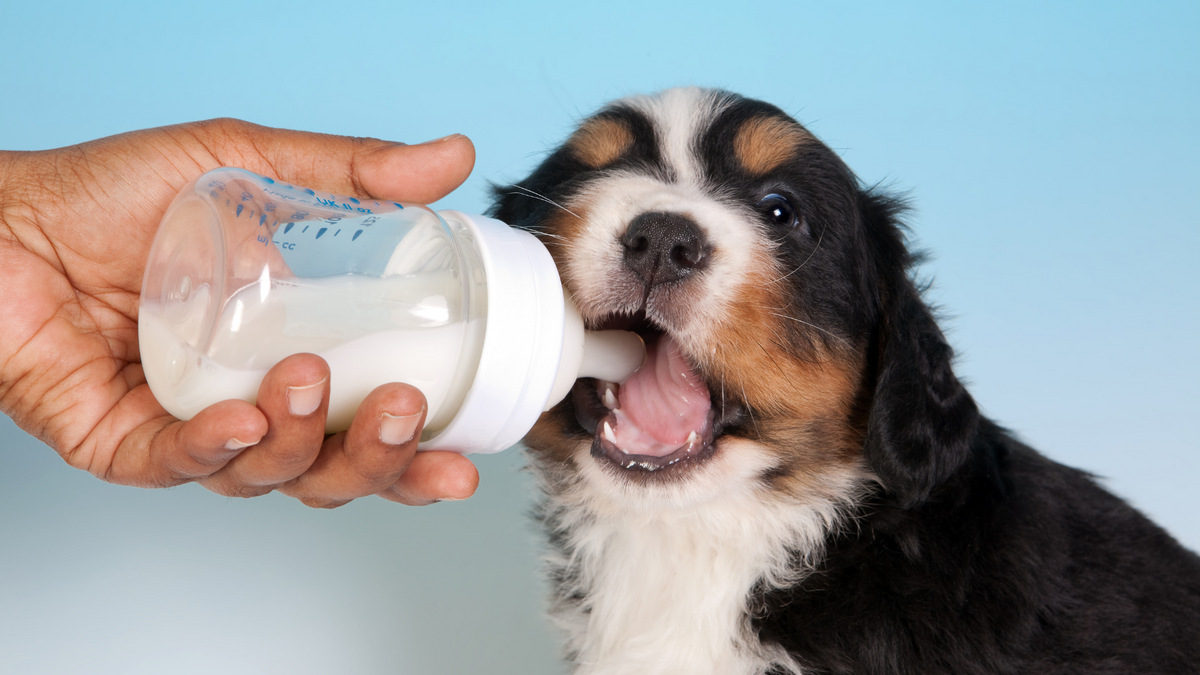
Can dogs drink milk? A detailed guide with side effects, dairy products and alternatives
As a responsible dog owner, you want to provide only the best for your four-legged friend. Nutrition plays a central role in this, and a common question that occupies many dog owners is:
Can dogs drink milk?
Milk and dairy products have a firm place in our daily diet. We often think that these foods are also harmless for our pets. But the reality is a bit different: dogs have a different digestion than humans, and not every dog reacts to dairy products in the same way.
In this comprehensive guide, we will shed light on the various aspects of milk consumption in dogs. We will clarify the effects of milk consumption on your dog's diet, which side effects can occur, and in which cases dogs might benefit from dairy products.
Furthermore, we will introduce the best milk alternatives that can be a healthy and safe supplement to your dog's diet. Let's find out together if milk is really good for your dog and what alternatives exist to promote the health and well-being of your loyal companion.
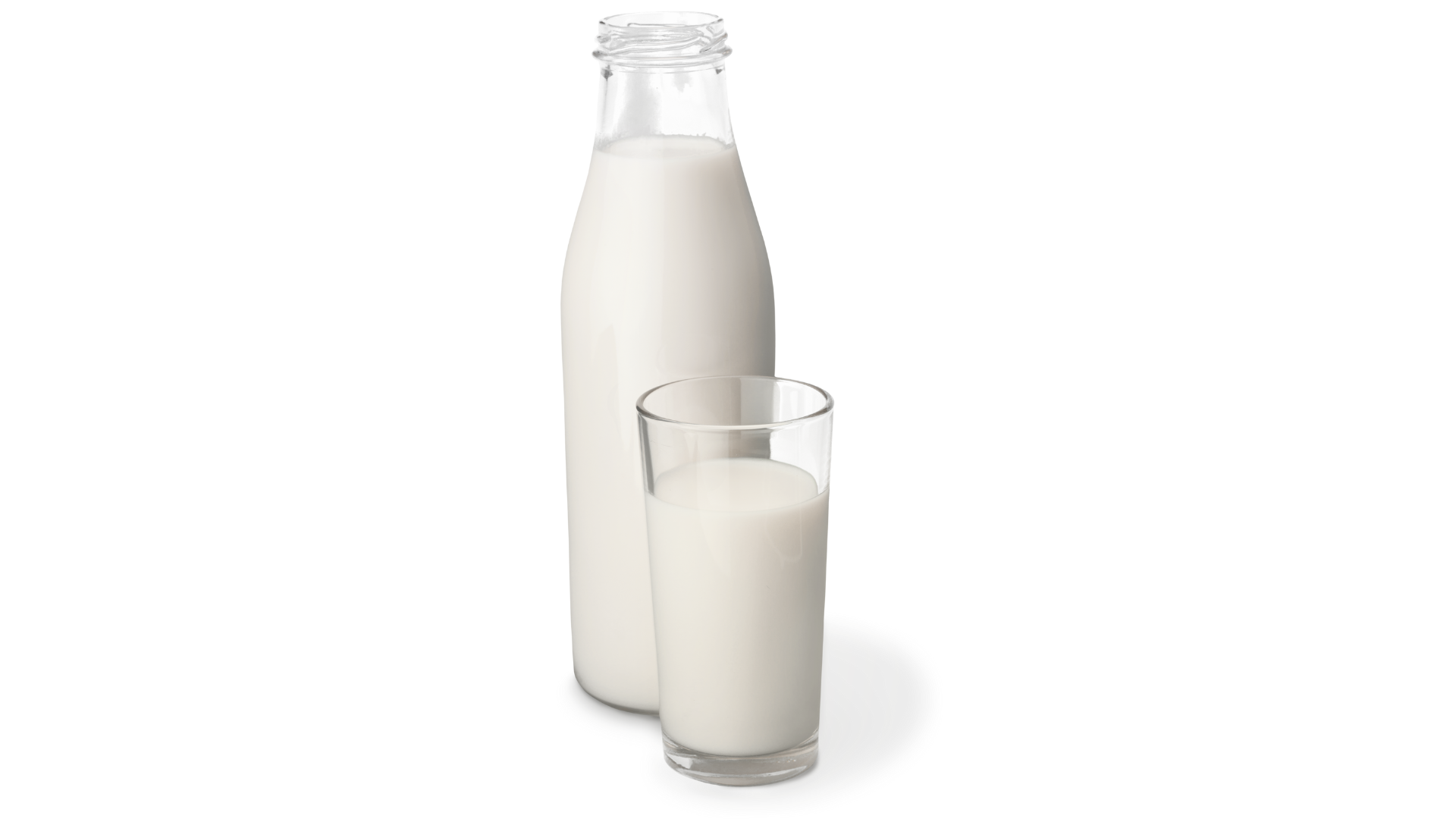
Can dogs digest milk?
Dogs are often lactose intolerant, which means they cannot properly break down milk sugar (lactose). The reason lies in a deficiency of the enzyme lactase, which is required to break down lactose in the intestine. Many adult dogs have only a small amount of this enzyme, so the consumption of milk and other dairy products can lead to digestive problems. Typical side effects include bloating, diarrhea, abdominal pain, and even vomiting.
Side effects of milk consumption in dogs
If your dog is sensitive to dairy products, this often manifests itself through gastrointestinal complaints. Bloating, diarrhea, or even vomiting are typical side effects of lactose intolerance. These symptoms often appear shortly after consumption. If you notice such symptoms in your dog, it is advisable to stop milk consumption immediately and switch to suitable milk alternatives instead.
Important: Even if some dogs tolerate milk well, you should not feed it regularly, as excessive consumption can lead to a disruption of the nutrient balance. In particular, the high fat and sugar content can cause long-term health problems such as obesity or pancreatitis.
Dairy products in dog nutrition
Not all dairy products are the same. Some, like yogurt or cheese, contain less lactose than fresh milk and may therefore be better tolerated by dogs. However, you should always ensure that these products are unsweetened and free from artificial additives. Small amounts of plain yogurt can even be good for your dog's gut flora, as they contain probiotic bacteria that promote digestion.
Attention: Not every cheese is suitable for dogs. Avoid particularly fatty varieties and those that are heavily seasoned or smoked. However, an occasional snack of mild cheese, such as cottage cheese, can be given in moderation.
Lactose-free milk and dog milk
If you still want to give your dog milk every now and then, there are some milk alternatives that are well tolerated.
Lactose-free milk contains no milk sugar and can be enjoyed by dogs without digestive problems. There is even milk specifically developed for dogs that is adapted to the digestion and nutritional needs of dogs. This dog milk is lactose-free and rich in important nutrients that are healthy for the dog.
How much milk is too much?
Even if your dog is not lactose intolerant, you should only feed milk in small amounts. Too much milk can lead to an imbalance in the dog's diet. The high fat content, especially in whole milk, can contribute to weight gain and strain the gastrointestinal tract. If you want to ensure that your dog receives the necessary amount of calcium, it is better to provide the necessary nutrients through their regular dog food.
Puppies and milk: Do they need cow's milk?
There are many misconceptions, especially regarding puppies. It is often assumed that puppies can drink cow's milk because they are still young and need milk as their main food source. However, this is only partially true.
Puppy milk, which is specially tailored to the needs of dog babies, is the right choice. Cow's milk, on the other hand, can cause digestive disorders in puppies due to its composition. The protein composition and fat content differ significantly from a dog's mother's milk, which can lead to health problems.
Is milk good for bones?
It is often assumed that milk is good for bones because it contains calcium. However, most dogs receive sufficient calcium from their regular food. High-quality dog food usually contains all necessary nutrients, so an additional supply via dairy products is not necessary. Too much calcium can even lead to health problems, especially in growing puppies.
What are the milk alternatives?
If you are looking for suitable milk alternatives for your dog, there are various options. In addition to the already mentioned lactose-free milk and dog milk, some plant-based milks, such as coconut milk or rice milk, are also well tolerated. However, make sure that these varieties are unsweetened and free of additives. In any case, avoid almond milk or soy milk, as these can be problematic for dogs.
Water remains the most important drink
With all the discussion about dairy products and milk alternatives, you must not forget that water is the most important drink for your dog. It should always be available in sufficient quantities. Water helps to regulate the fluid balance and is essential for your dog's health. Therefore, milk should never serve as a substitute for water, but only be offered as a treat now and then.
Conclusion: Can dogs drink milk?
In summary, dogs can drink milk in moderation if they are not lactose intolerant. However, it is important to watch for possible side effects and ensure that the dog does not develop digestive problems. Dairy products like yogurt or cheese can occasionally be a good addition to the diet, but should always be fed in small amounts and without additives.
The best milk alternatives are lactose-free products or special dog milk that takes your dog's nutritional needs into account.
If you are unsure whether milk or certain dairy products are suitable for your dog, it is always advisable to consult a veterinarian. This way, you can ensure that your dog's diet is precisely tailored to their individual needs.