
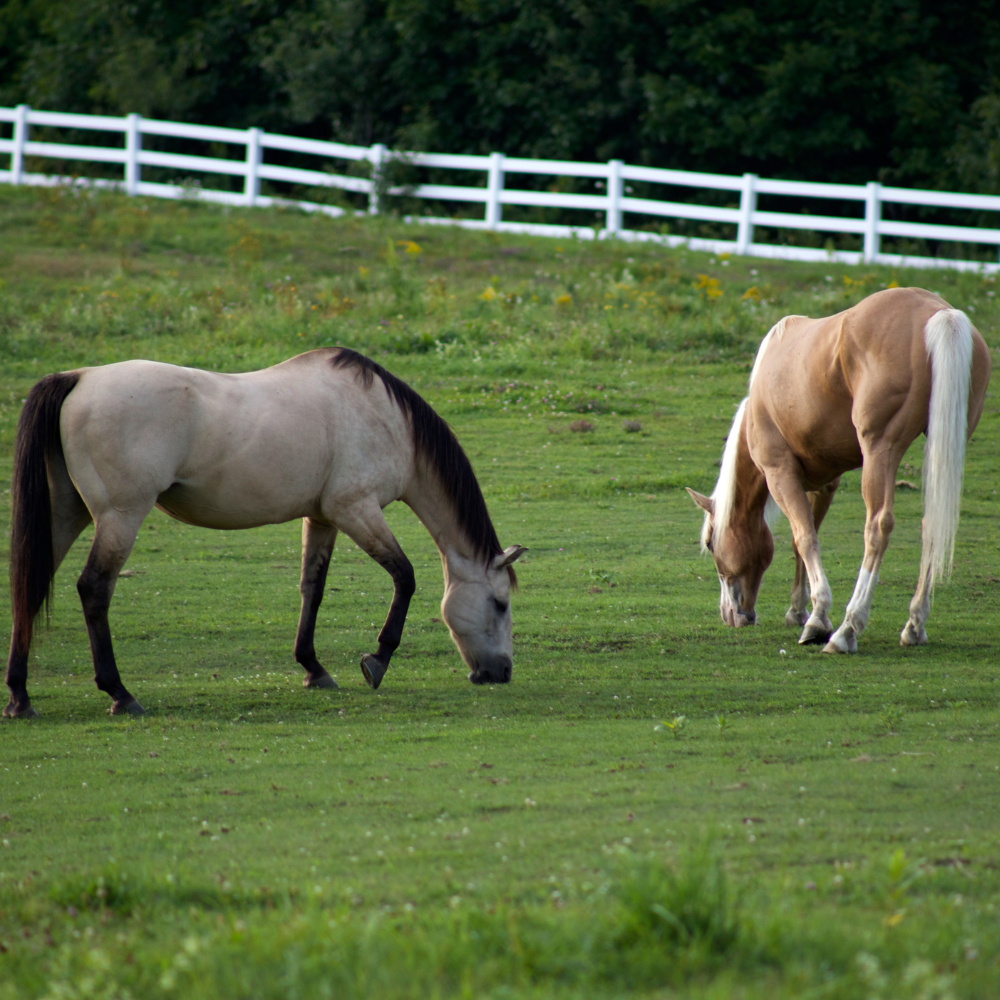
How the intestinal flora influences your horse's behavior and what you can do
Have you ever wondered why your horse suddenly reacts nervously, skittishly, or aggressively – even though nothing has changed on the outside? The answer could lie within your horse: more precisely, in its gut flora. The gut flora in horses plays a decisive role in their health, behavior, and performance.
In this article, you will learn how closely the gut and the brain are linked, how impaired gut function triggers behavioral issues, and what you can specifically do to support a balanced gut flora in your horse.
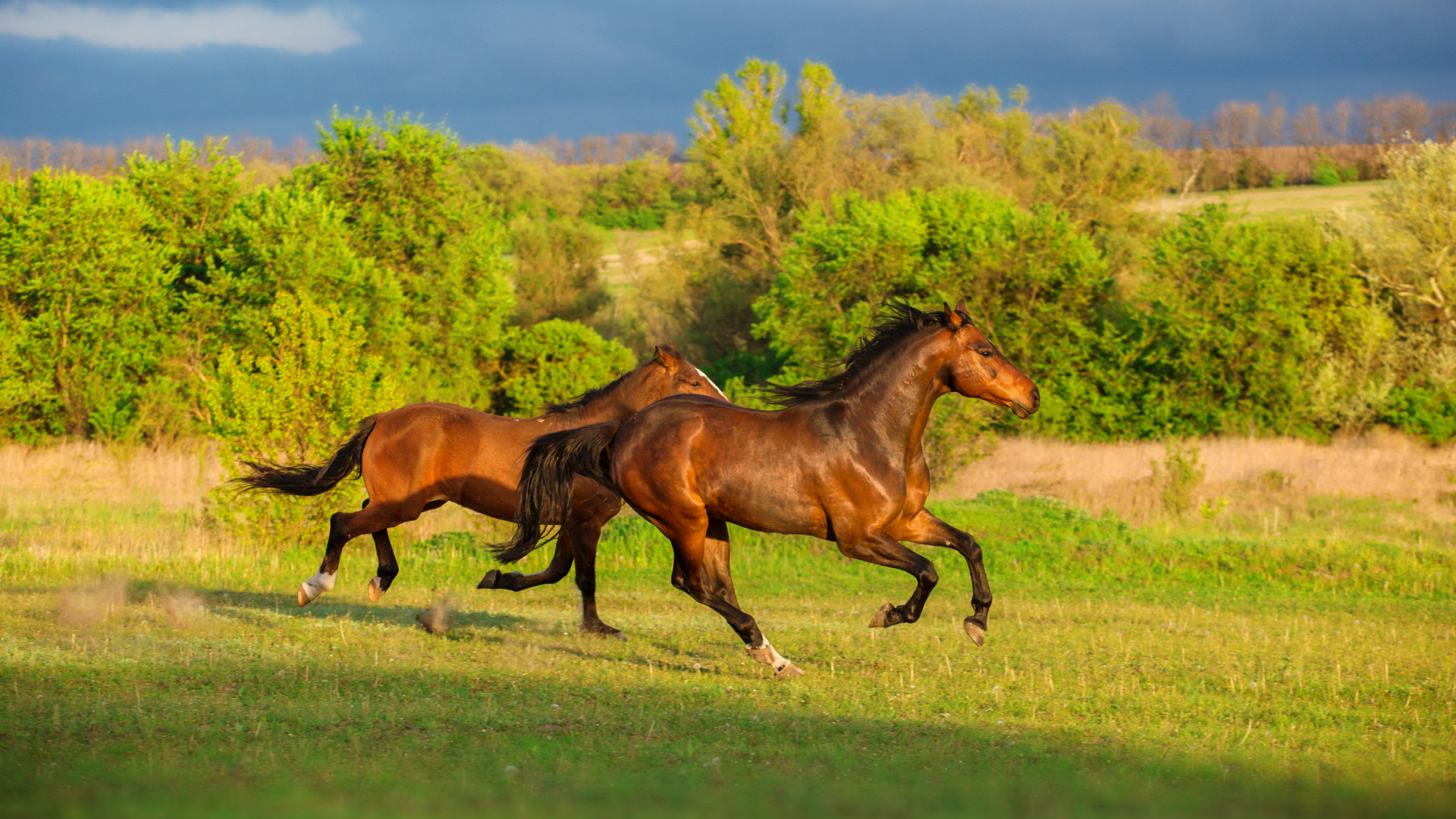
The underestimated role of the horse's gut
Did you know that about 80% of immune cells are located in the gut? In horses, too, the digestive system is a central organ for strengthening the immune system, metabolism, feed utilization, and even the psyche. The gut influences:
-
Nutrient absorption (e.g., of B vitamins, amino acids, vitamin A, vitamin C, vitamin E, and vitamin B12)
-
The production of hormones and neurotransmitters
-
The detoxification of the body
-
Emotional balance
A balanced gut flora in horses not only ensures a shiny coat, stable skin, and healthy hooves but also has a direct impact on behavior.
Gut and behavior – the gut-brain axis in horses
The gut is far more than just a digestive organ. It houses the so-called "second brain," a network of millions of nerve cells. This communicates with the brain via the gut-brain axis – a complex signal system that influences emotions, stress responses, and the ability to concentrate.
If the microbiome, i.e., the entirety of the microorganisms in the gut, is disturbed, the following symptoms can occur in the horse:
-
Nervousness or irritability
-
Concentration problems during training
-
Aggressive behavior
-
Sudden skittishness
-
Apathy or lack of drive
Causes of disturbed gut flora in horses
There are many factors that can throw a healthy gut flora out of balance. These include:
-
Antibiotic treatments, which destroy not only "bad" but also "good" bacteria
-
Incorrect or one-sided feeding (e.g., too much grain, molasses, or artificial additives)
-
Stress caused by transport, changes in the stable, or tournaments
-
Lack of crude fiber, such as that found in hay or structured muesli
-
Too little exercise
-
Parasite infestation
-
Poor quality of feed or water
The consequences are not only digestive problems like fecal water, diarrhea, or flatulence, but also psychological irregularities.
How you can specifically support your horse's gut flora
1. The right feeding is the key
Gut-friendly horse feeding starts with the basics: plenty of high-quality roughage, e.g., hay or haylage, forms the foundation. Specifically supplement the ration with structured muesli that is rich in crude fiber. When choosing, look for a natural composition, free from unnecessary additives, artificial flavorings, or sugar.
2. Effective nutritional supplements
Special nutritional supplements can help restore balance to the horse's gut flora. Proven ingredients include:
-
Brewer's yeast: Rich in B vitamins, promotes digestion, and supports the nervous system
-
Linseed: Protects the intestinal wall and provides valuable omega-3 fatty acids
-
Jerusalem artichoke: Contains inulin, a prebiotic that feeds healthy bacteria in the gut
-
Carob: Stabilizes the pH value in the small intestine and binds excess acid in the stomach
-
Peppermint: Has a calming and antispasmodic effect
-
Bentonite: Binds harmful germs and toxins
Many products are available as powder, pellets, or liquid application – depending on your horse's preference.
Intestinal cleanse – how to bring the gut flora back into balance
If gut function is impaired, a targeted intestinal cleanse may be necessary. This treatment usually lasts 4–8 weeks and should consist of the following steps:
-
Detoxification and cleansing
Harmful substances are bound and eliminated using herbs or natural substances like bentonite or psyllium husks. -
Building up the gut flora
Now the use of probiotics and prebiotics is important. Brewer's yeast, Jerusalem artichoke, linseed, or mash with intestinal herbs promote the growth of beneficial germs. -
Stabilizing the microbiome
Here, omega-3 fatty acids, amino acids, and B vitamins help to permanently regenerate the gut.
An intestinal cleanse is particularly useful after antibiotic treatment, for chronic fecal water or diarrhea, or during stressful phases.
Natural herbs to support gut health
Certain herbs are excellent for strengthening the gut flora in horses:
-
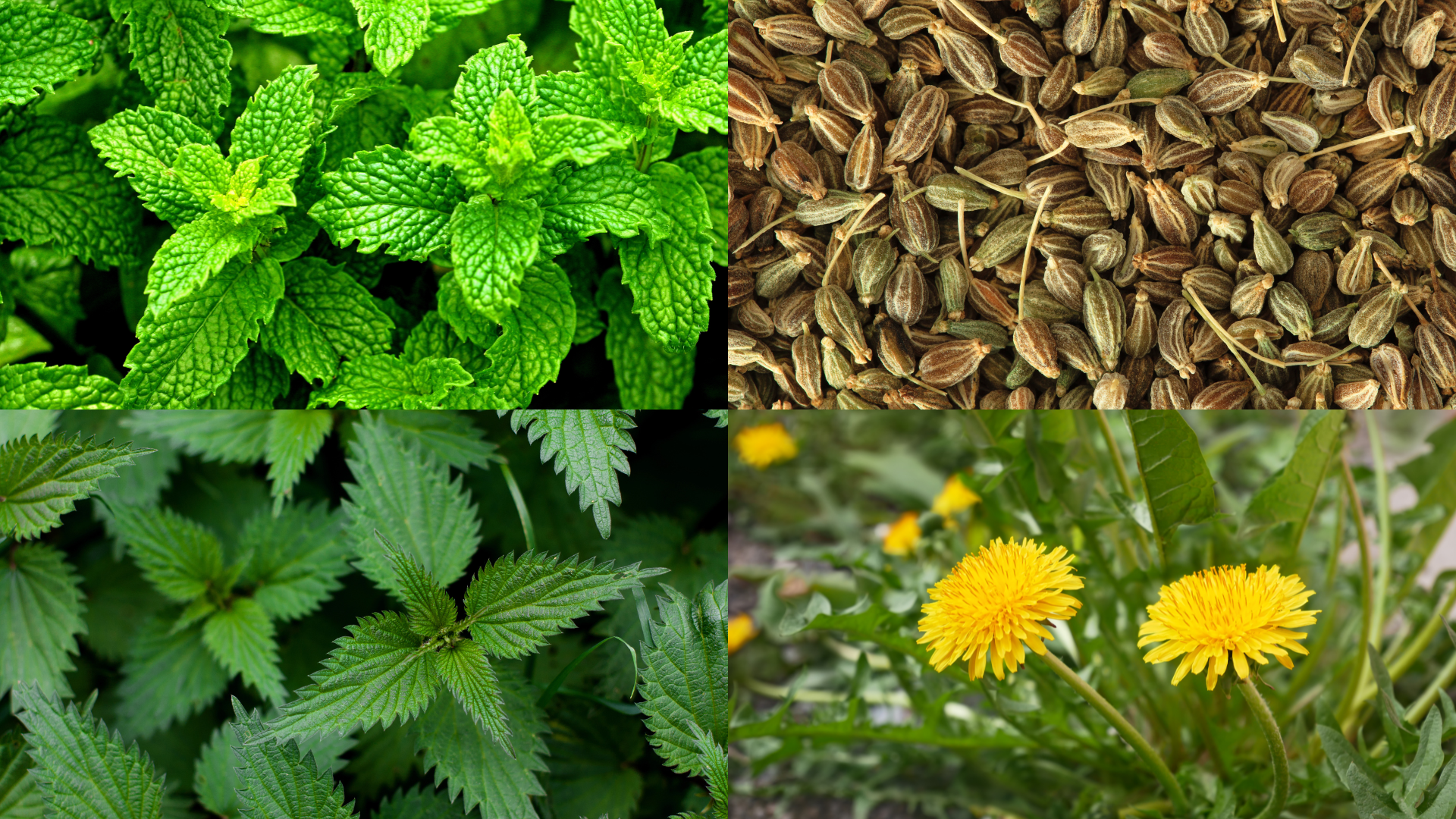
Peppermint – calms the gut
-
Nettle – stimulates the metabolism
-
Dandelion – promotes liver and gut function
You can give them as a treatment or mix them into mash. Pay attention to the correct dosage and discuss major changes in feeding with your veterinarian or feed consultant.
Mash – proven for digestive problems
A warm mash prepared with linseed, carob, a little molasses, and herbs works wonders for sensitive horses. It relieves the stomach, calms the gut, and simultaneously provides energy and important nutrients.
Tip: Avoid products with high sugar content or artificial flavorings – natural variants are usually better tolerated.
How to recognize that your horse needs gut support
Look out for these signs:
Dull or shaggy coat
A healthy gut ensures optimal nutrient absorption – including B vitamins and omega-3 fatty acids, which are important for a shiny, thick coat. A dull appearance can therefore be an indication of an imbalance in the gut.
Unusual smell of manure
If the horse manure smells significantly stronger than usual or its consistency changes noticeably, it can be a sign of impaired digestion and a bacterial imbalance in the large intestine.
Loss of appetite
If your horse suddenly turns away from its usual food or eats only hesitantly, it could be due to problems in the gastrointestinal area – perhaps caused by a disturbed microbiome or unbalanced feeding with too much grain or additives.
Restlessness in the stable
Horses with gut problems often appear nervous, restless, or even aggressive. This behavior can arise through the gut-brain connection when the inner balance is disturbed.
Frequent yawning, teeth grinding, or pawing
Such behaviors can indicate discomfort or cramps in the gut or stomach. Often, digestive problems, flatulence, or an incorrect pH value in the small intestine are the cause here.
Performance slumps
A disturbed metabolism or restricted feed utilization due to burdened gut flora can mean your horse lacks important energy – despite adequate feeding.
Skin problems
The skin is a mirror of inner health. Problems in the digestive system often lead to eczema, itching, or scaly skin – triggered by impaired detoxification and deficiencies in nutrient absorption.
If you notice such symptoms, it is time for a closer look at your horse's gut flora.
Conclusion: A healthy gut flora = a happy horse
Your horse's gut flora influences much more than just digestion. It is a central control organ for behavior, health, feed utilization, and well-being. With the right feeding, targeted nutritional supplements, natural herbs, and regular intestinal cleanses, you can make a decisive contribution to stabilizing and strengthening it.
Never forget: A healthy gut is the basis for a high-performing, balanced, and happy animal.