
Detect and avoid nutrient deficiencies when feeding your horse grain-free
Feeding is the most important foundation for your horse's health and well-being. More and more horse owners are opting for grain-free feeding. There are many reasons for this: digestive problems, obesity, metabolic diseases, or simply the desire for a diet that is as natural as possible for the horse.
However, as sensible as a grain-free ration can be, it also carries risks. When important nutrients are missing, the horse can develop a nutrient deficiency. The consequences are wide-ranging, from skin problems and weak muscles to serious illnesses.
In this article, you will learn everything you need to know about a horse's nutritional needs, the role played by mineral feed and dietary supplements, how to recognize typical deficiency symptoms, and what solutions are available.
Why are more and more horse owners switching to a grain-free diet for their horses?
For a long time, grain played a major role in traditional horse feeding—above all as an energy source in the form of concentrated feed. However, not every horse tolerates grain well. Problems such as a sensitive stomach, digestive disorders, or metabolic diseases have prompted many owners to think about alternatives for their horse.
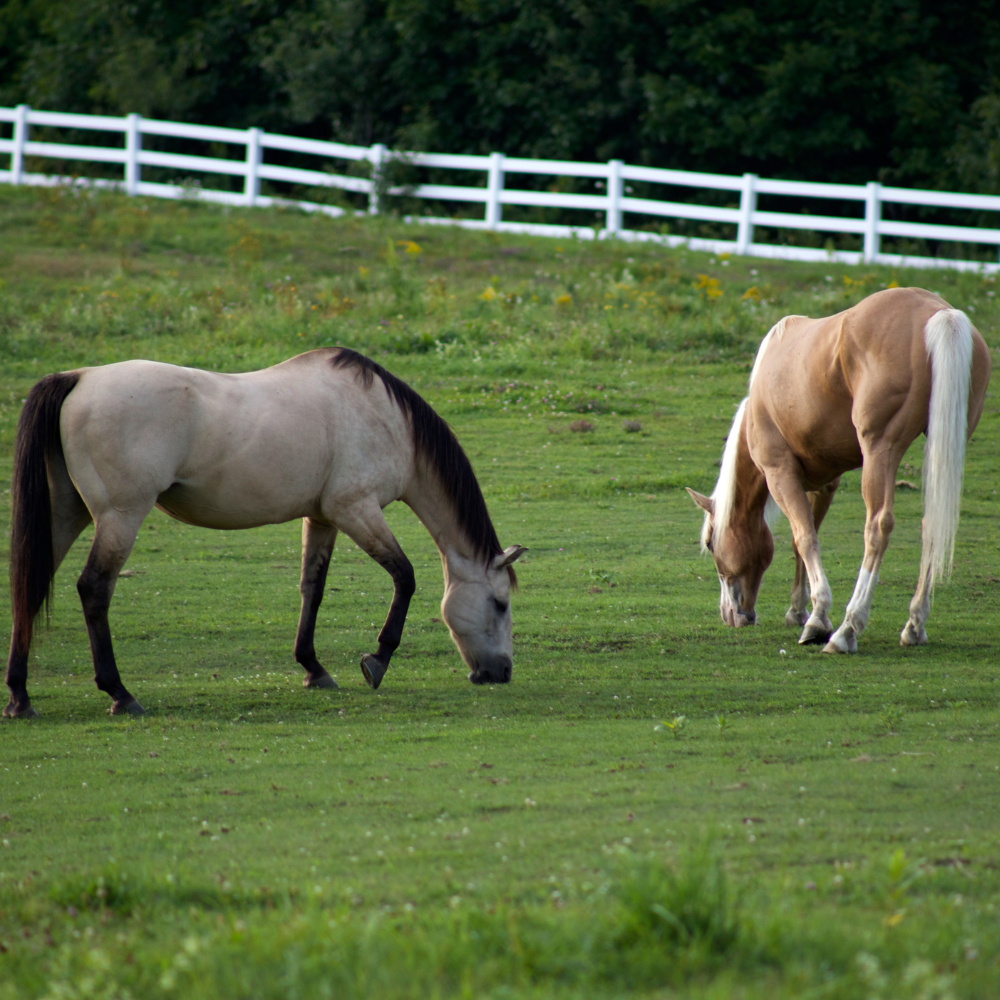
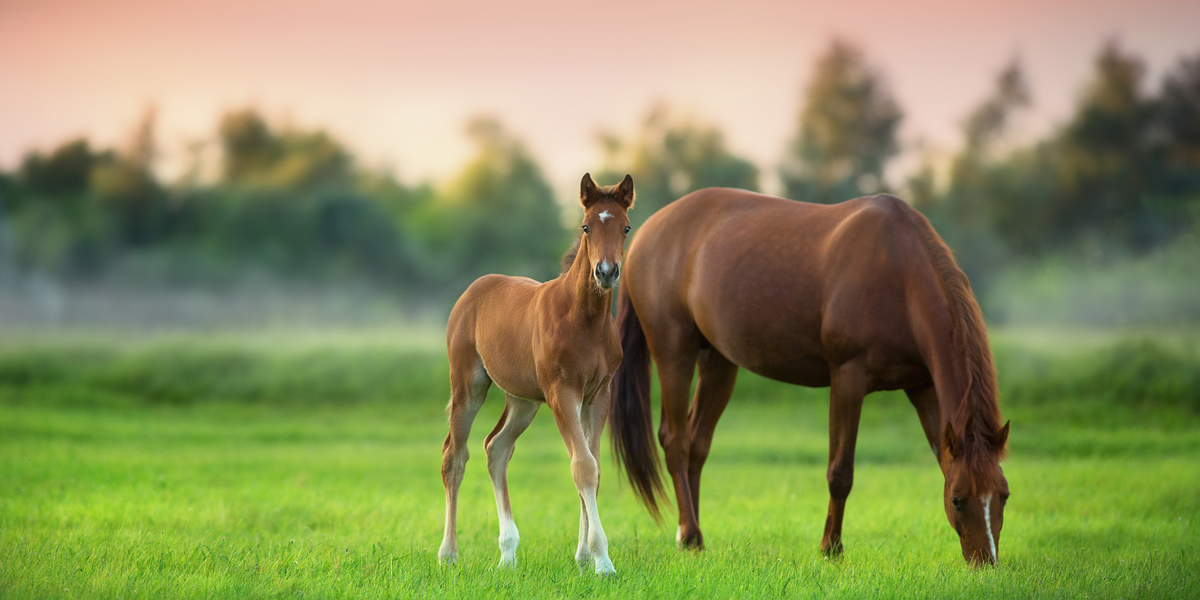
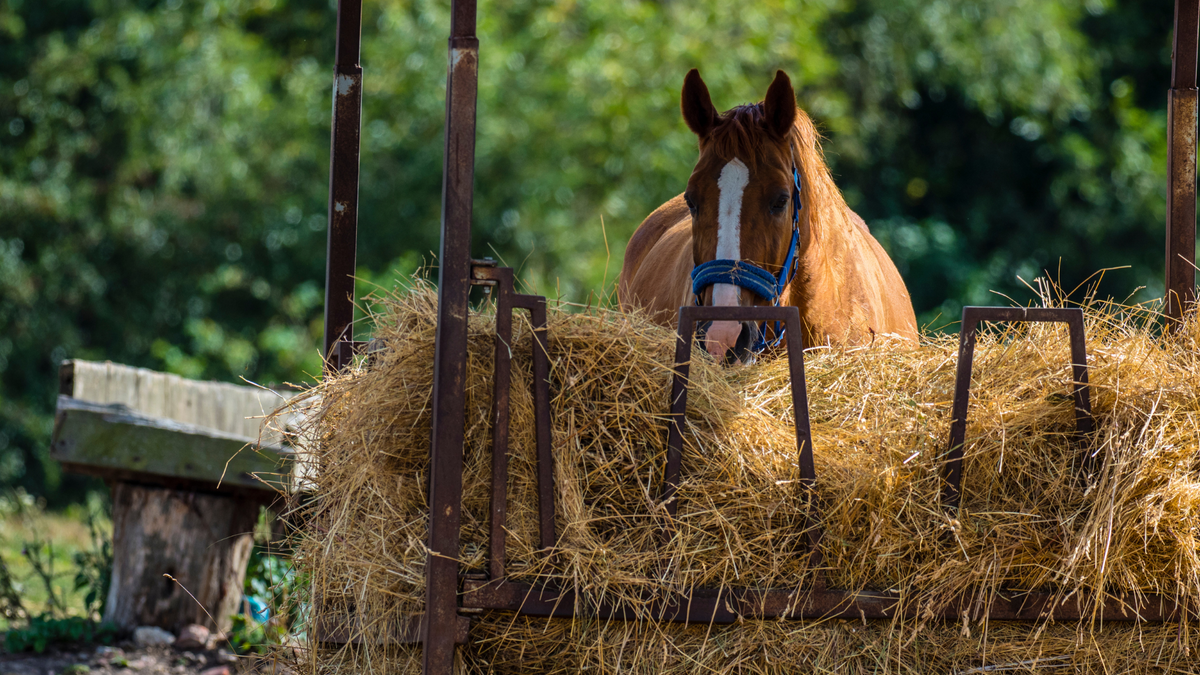
Grain-free feed can be particularly sensible for robust breeds, leisure horses, or horses with low energy requirements. Roughage such as hay and grass then forms the basis of their supply, supplemented by minerals and trace elements.
But this is precisely where the challenge lies: while hay covers the basis of a horse's primary supply, it often lacks important nutrients that cannot be adequately provided by the forage alone.
Nutritional needs of the horse – the basis of every feeding plan
To avoid a nutrient deficiency in your horse, it is important to understand your horse's actual nutritional needs. These depend on many factors:
-
Body weight – A heavy warmblood has different needs than a petite pony.
-
Age – Foals, young horses, and seniors have special requirements.
-
Performance level – Leisure horses in maintenance metabolism need less energy and protein than sport horses under high exertion.
-
Health status – Metabolic problems, stomach sensitivity, or pre-existing illnesses influence the supply required.
-
Living conditions – In the winter months, when fresh grass is missing, the need for dietary supplements increases.
The basis of every diet is the base feed in the form of roughage—that is, hay, straw, and, if necessary, silage. But in most cases, this alone is not enough to fully cover the horse's nutritional needs.
Important nutrients for horses – Where can deficiencies arise?
With a grain-free diet, it is particularly important to focus on minerals, vitamins, and trace elements.
Energy and protein
Grain usually provides plenty of energy. If it is omitted, the energy requirement must be covered by other sources such as hay, oil, or protein-rich feed. Caution is advised here: too much protein can put a strain on your horse's metabolism, while too little leads to muscle problems and a loss of body mass.
Minerals and trace elements
Minerals play a central role in horse feeding. The following are particularly critical:
-
Zinc: A zinc deficiency often manifests itself through skin problems, a dull coat, and an increased susceptibility to infections.
-
Selenium: A vital trace element that can, however, easily be overdosed. It supports muscles, metabolism, and the immune system.
-
Calcium & Phosphorus: These minerals are important for bones and teeth. The correct ratio is crucial.
Vitamins
-
Vitamin A is important for skin, eyes, and the immune system. A deficiency occurs particularly in the winter months when fresh green fodder is missing.
-
Vitamin E supports muscles and cell protection. Horses in training or with muscle problems in particular benefit from an adequate supply.
-
Vitamin C is generally produced by the horse itself; however, supplementation can be useful during periods of stress or illness.
-
B vitamins play a role in energy metabolism and are important for the nerves, digestive system, and skin.
Typical signs of a nutrient deficiency in horses
A nutrient deficiency often remains unnoticed for a long time. Horse owners should therefore be aware of the following symptoms:
Coat and skin
The coat looks dull, loses its natural shine, and can appear shaggy. Skin problems such as dandruff or small eczema are also possible indicators.
Muscles
The horse builds muscle more slowly or loses existing muscle. Some animals show tension or appear stiff when moving.
Performance and energy
Your horse tires more quickly, has less stamina, and is generally lethargic. A clear reduction in performance during training or everyday life is also a typical symptom.
Digestion
A sensitive digestive system manifests itself through diarrhea, bloating, or even recurring constipation. Such problems can be exacerbated by a lack of vital nutrients.
Weight
Despite sufficient amounts of feed, the horse loses weight or struggles to build body mass. Conversely, the physique may appear "soft" because muscle mass is lacking.
Hooves
Brittle, cracked, or poorly growing hooves often indicate a deficit in zinc or other trace elements.
Your horse's behavior
Some horses react unusually nervously or irritably, or, on the contrary, show noticeable lethargy. Concentration difficulties can also occur.
The rule here is: a deficiency is not always easy to attribute to a specific cause. It is often a combination of different nutrients that are out of balance.
The role of mineral feed and dietary supplements for horses
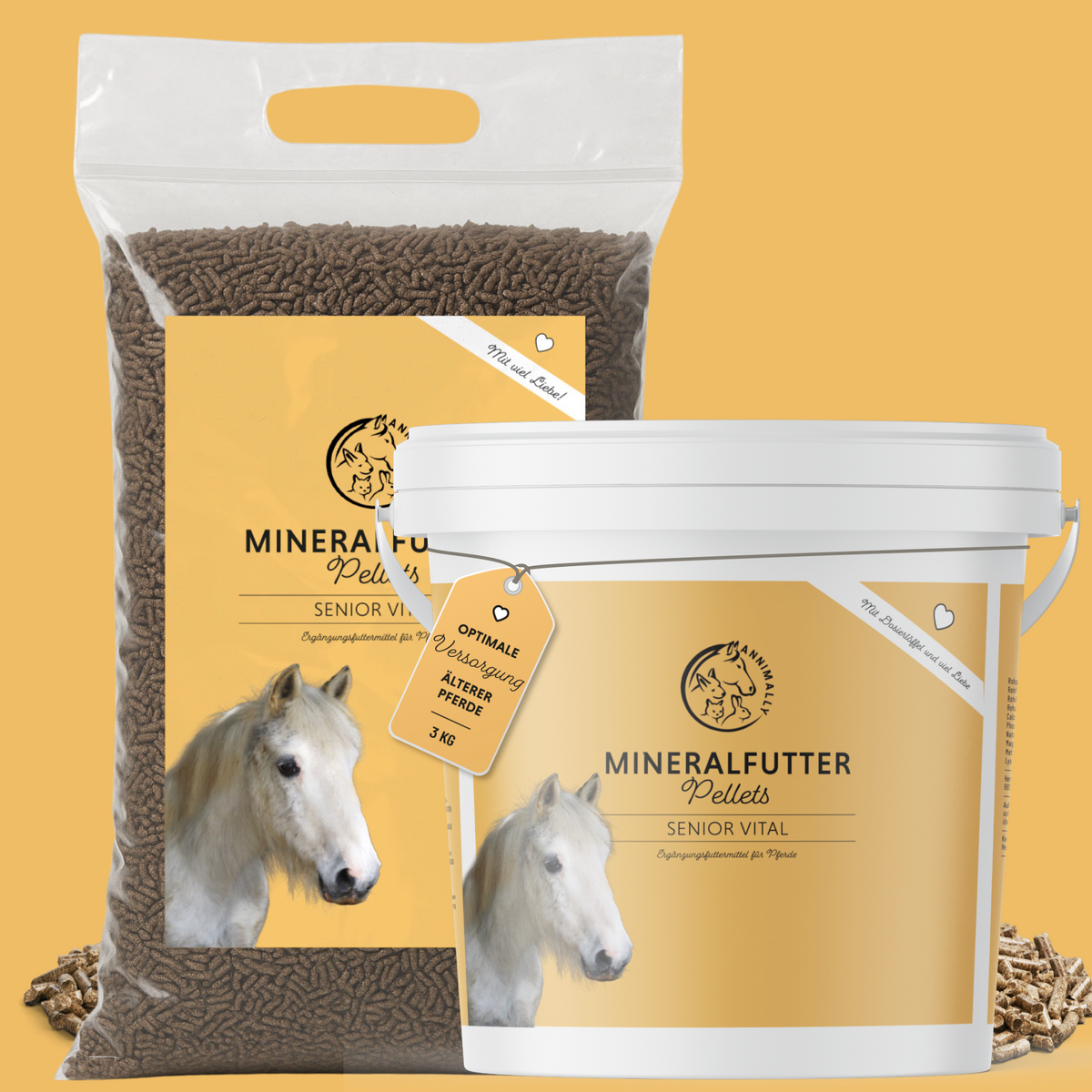
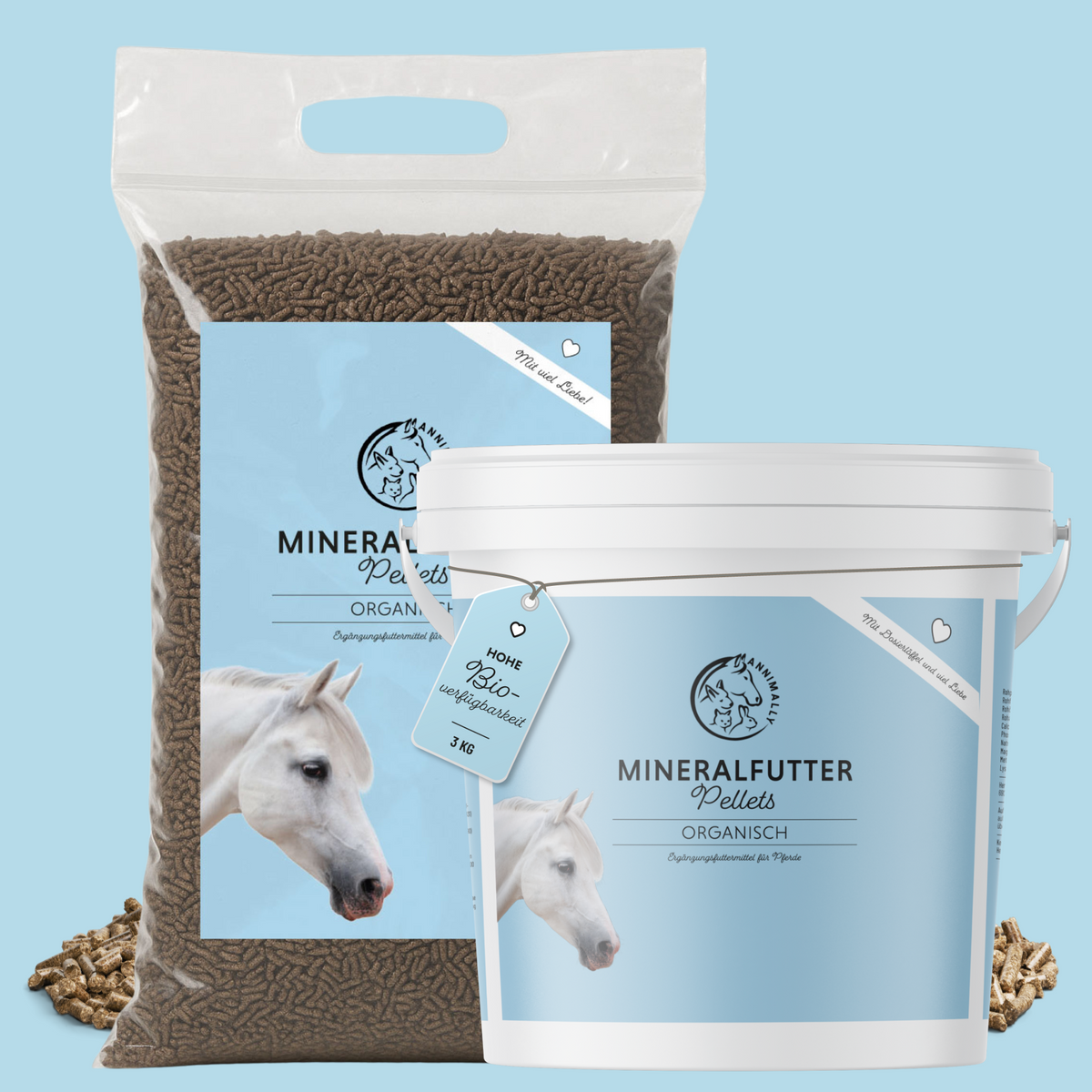
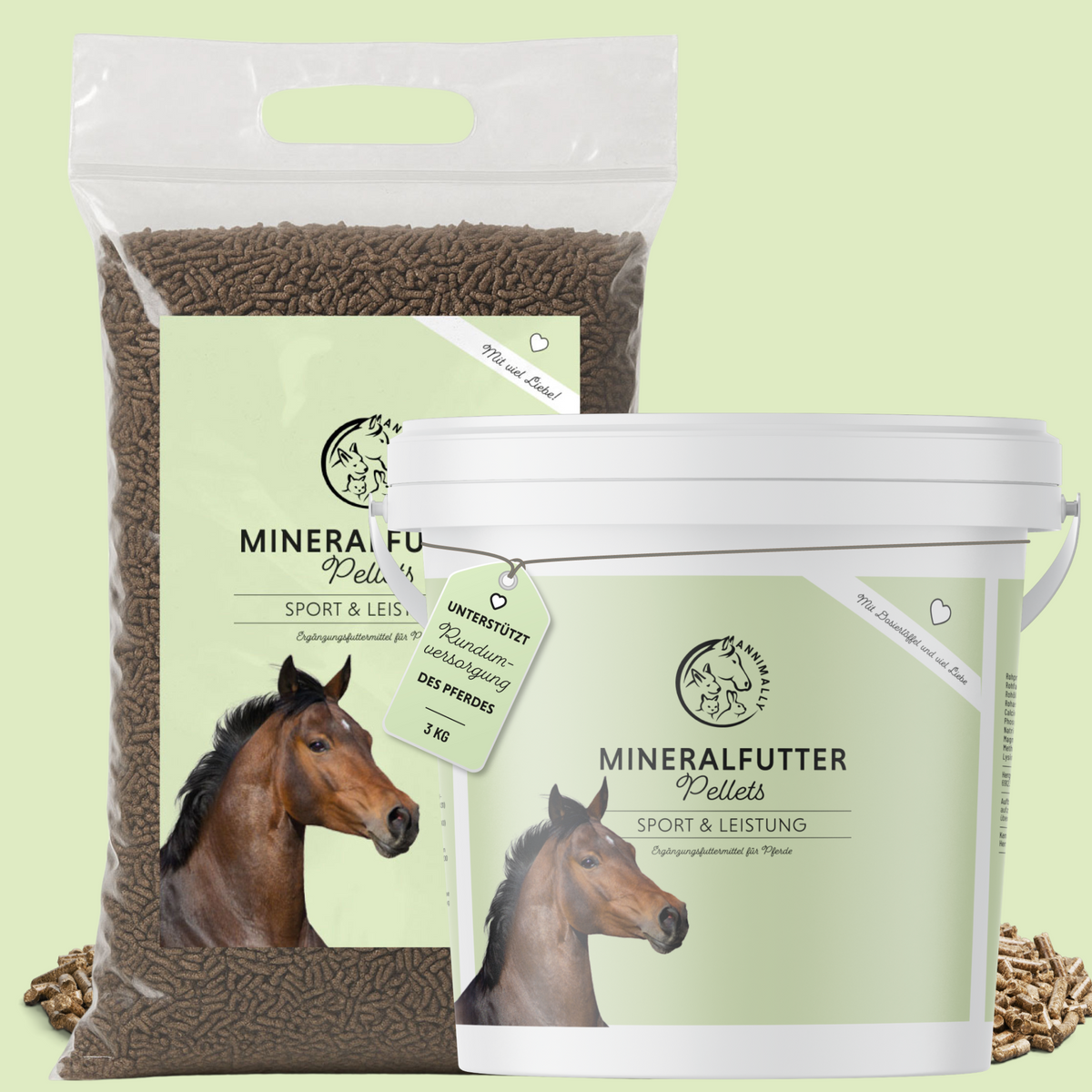
Mineral feed forms the basis for balancing a grain-free ration. It ensures that trace elements, vitamins, and minerals are absorbed in the correct amounts. While hay covers the basic supply of energy and crude fiber, it is often poor in zinc, selenium, or vitamin A.
Dietary supplements for horses offer a valuable solution here. They can be individually adapted to your horse's needs—whether for the muscles, digestion, or skin. Especially in winter, when vital nutrients from fresh grass are missing, targeted supplementation is sensible.
Planning a grain-free diet correctly – Tips for horse owners
To ensure a horse does not develop a deficiency when on a grain-free diet, you should consider the following points:
-
Check the ration: The foundation is a balanced roughage ration. Hay should be measured by body weight (approx. 1.5–2 kg per 100 kg of body weight).
-
Use mineral feed: Adjust the supplement to the nutrient content of the base feed. In this regard, a hay analysis is sometimes worth it.
-
Cover energy needs: Horses with higher performance requirements need additional energy sources such as oils or protein-rich feed.
-
Support digestion: Supplements containing herbs, prebiotics, or B vitamins can help stabilize the digestive system.
-
Watch for deficiency symptoms: Coat, skin, muscles, and weight provide important clues regarding the horse's nutritional status.
-
Ask questions: When in doubt, expert advice helps to find the right feeding solution.
Specifics during the winter months
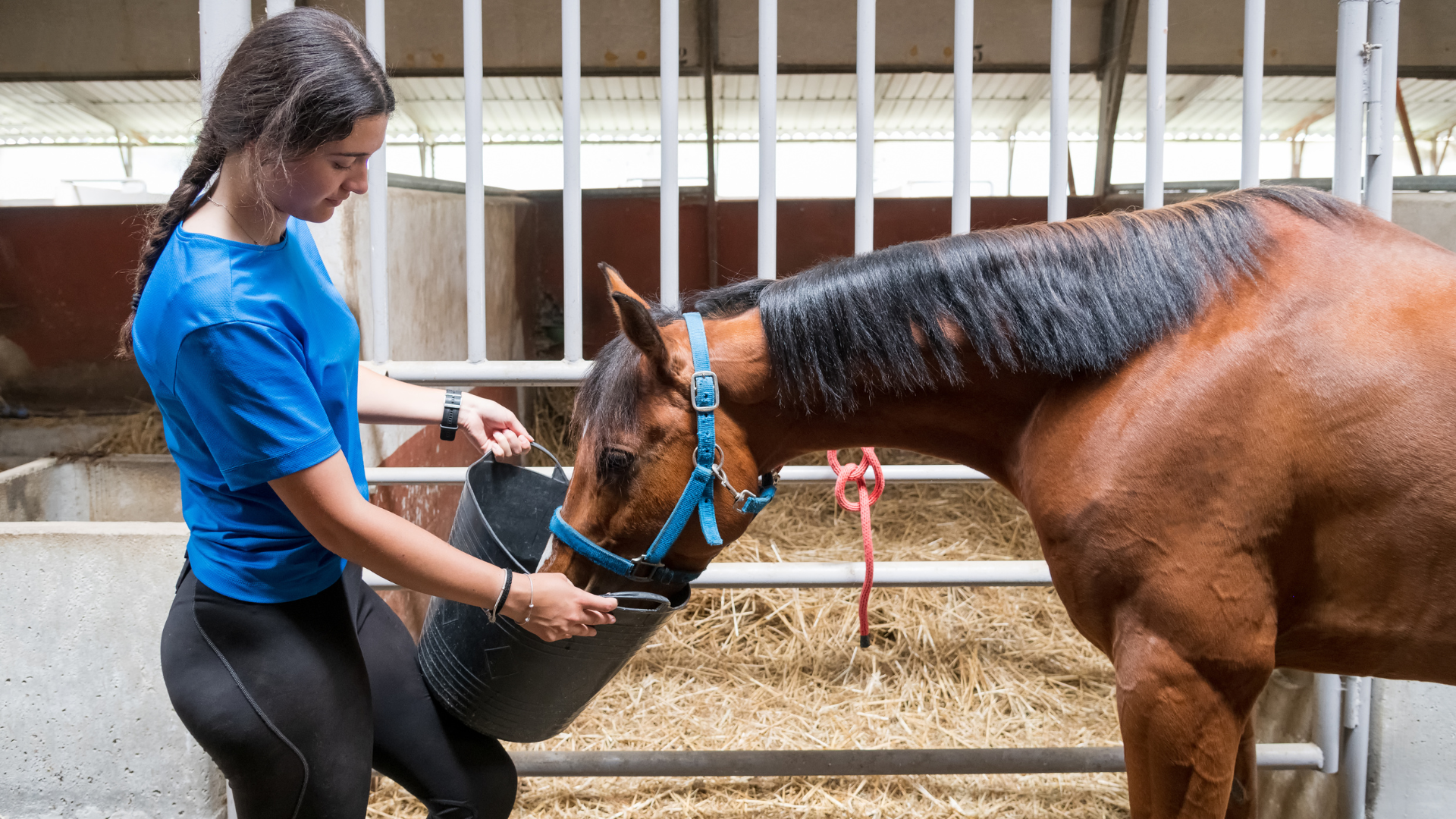
In the winter months, fresh greens—which usually provide many vitamins and minerals—are missing. The risk of a nutrient deficiency increases significantly during this time. Vitamin A, vitamin E, and zinc are among the particularly critical vital nutrients. That is why it is important to use mineral feed and dietary supplements consciously during this period.
Conclusion: Avoiding nutrient deficiencies in grain-free horse feeding
A grain-free diet can be the right solution for many horses—especially when problems with digestion, the stomach, or the metabolism exist. However, the foundation for healthy horse feeding always remains an adequate supply of energy, protein, minerals, and vitamins based on the horse's needs.
You should be aware that hay alone does not provide all the nutrients a horse needs. Mineral feed, dietary supplements, and an adapted ration are crucial to preventing deficiency symptoms in your horse. This way, your horse stays ready to perform, healthy, and full of energy—regardless of whether it is fed grain or not.