

Removing Tartar from Dogs: Comprehensive Guide to Healthy Dog Teeth
Tartar is not just a cosmetic issue for dogs; it can lead to serious health consequences. Many dog owners are unaware of the importance of dental care for their four-legged friends and underestimate the risks posed by tartar.
Hardened deposits on the teeth can lead to painful gum inflammation, periodontitis, tooth loss, and even severe infections that can spread to other organs. Bad breath, discolored teeth, and difficulty eating are often the first signs that something is wrong.
In this comprehensive guide, you will learn how tartar develops in dogs, how to recognize it, prevent it, and treat it effectively. From daily dental care to professional teeth cleaning at the vet—there are many ways to help your dog maintain a healthy set of teeth. By acting early and performing regular maintenance, you can save your four-legged friend from painful dental problems and significantly improve their quality of life.
What is tartar?
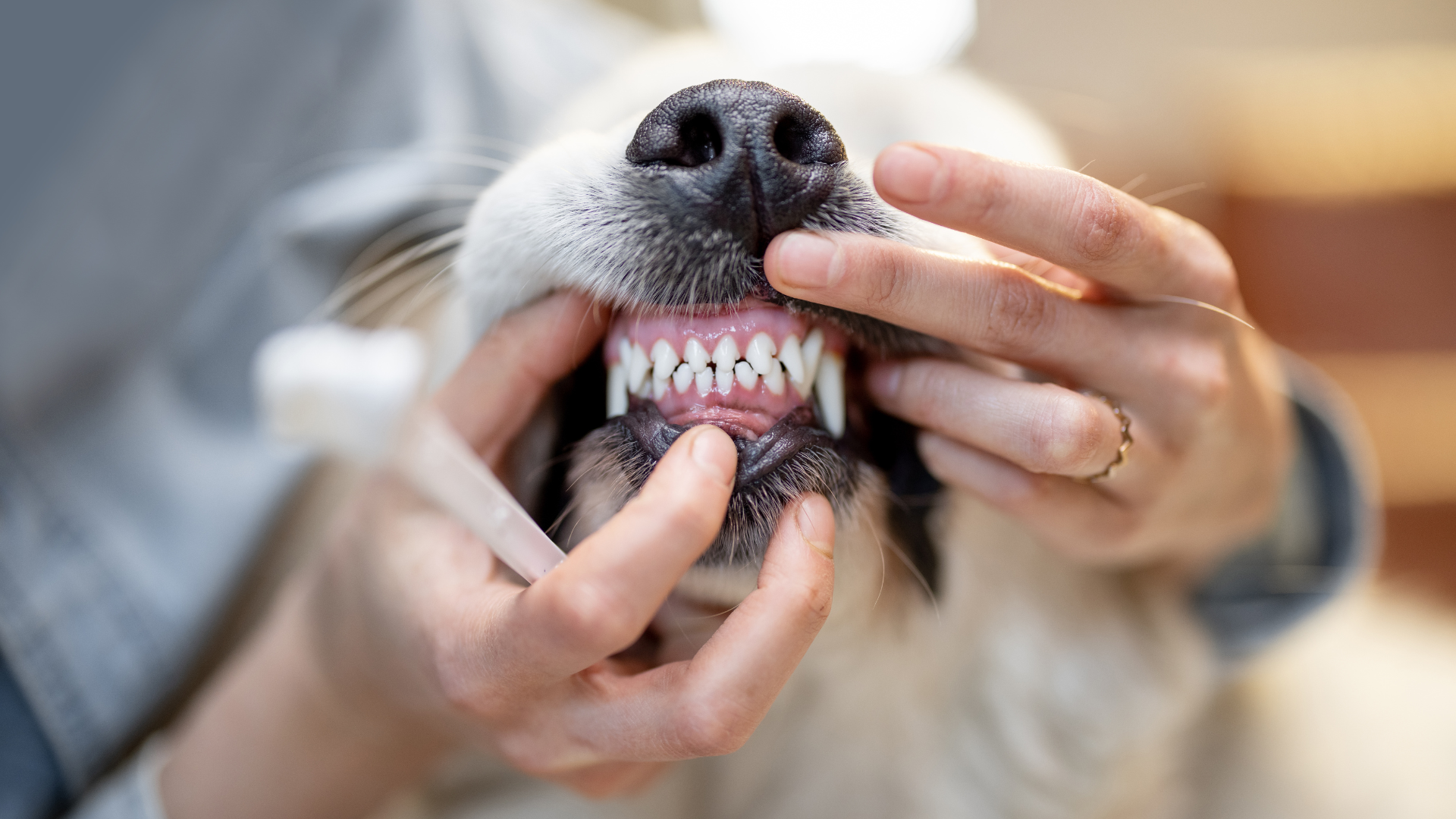
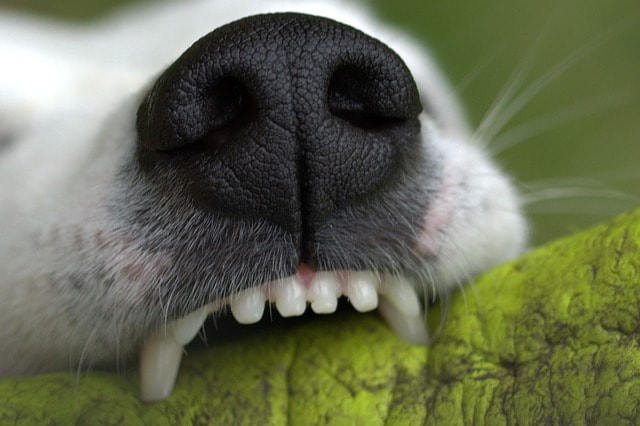
Tartar in dogs is hardened dental plaque that settles on a dog's teeth. It forms when plaque—a soft layer of saliva, food particles, and bacteria—is not removed from the teeth in time. Through contact with minerals in the saliva, primarily calcium, this layer hardens and becomes tartar. You can no longer remove this with a toothbrush; it requires professional intervention by a veterinarian.
How does tartar develop in dogs?
The formation of tartar begins with plaque. This soft layer settles on your dog's teeth and contains bacteria produced by eating. If plaque is not removed regularly, it mineralizes and hardens into tartar. Once hardened, this deposit becomes an ideal breeding ground for even more bacteria, which promotes inflammation in the mouth.
The development of tartar in dogs is influenced by various factors:
-
Diet: Food residues remaining in the mouth promote the growth of bacteria. Wet food in particular tends to get stuck in the gaps between teeth.
-
Teeth alignment: Dogs with crowded teeth or misalignments are particularly susceptible because food particles get stuck between the teeth more easily.
-
Breed: Smaller dog breeds are often more affected by tartar because their jaws are narrower and plaque accumulates faster.
-
Age: Older dogs are more susceptible to tartar because their metabolism slows down and cleansing by saliva is less effective.
Symptoms: How can you tell if your dog has tartar?
Recognizing tartar in dogs is not always easy, as it forms slowly and initially causes no acute discomfort. Over time, however, the following symptoms may occur:
-
Bad breath (halitosis): This is one of the first signs you will notice. Bacteria that multiply in the tartar release sulfur compounds that cause the unpleasant odor.
-
Discolored teeth: Tartar has a yellowish-brown color that becomes noticeable on your dog's teeth, especially on the molars.
-
Gum inflammation (gingivitis): Red, swollen, or bleeding gums indicate inflammation caused by the pressure of the tartar on the gums.
-
Tooth loss: In advanced stages, tartar can damage the gums and bones that support the teeth so severely that the teeth become loose or fall out.
-
Loss of appetite or difficulty chewing: Dental problems can make eating uncomfortable for your dog, and they might start avoiding their food or chewing more slowly.
Why is tartar dangerous for dogs?
Tartar can cause much more than just cosmetic problems for dogs. If left untreated, it can lead to serious health complications. The most common include:
-
Inflammation in the mouth (gingivitis and periodontitis): One of the first problems caused by tartar is gum inflammation, also known as gingivitis. The hardened plaque settles on the gum line and puts pressure on the surrounding tissue, which can lead to redness, swelling, and bleeding. If this inflammation remains untreated, it spreads deeper and can lead to periodontitis. With this more serious condition, the periodontium—the tissue and jawbone that holds the tooth—is gradually destroyed. This leads not only to pain but also to loosening and, ultimately, the loss of the affected teeth.
Periodontitis can be particularly painful for dogs and make eating difficult. In advanced cases, bone and soft tissue can even be irreversibly damaged, requiring surgical treatment.
-
Tooth loss: As periodontitis progresses, the gums are severely attacked. As a result, they lose the ability to hold the teeth firmly. This causes teeth to become loose and, in the worst case, fall out.
Such tooth loss not only impairs the dog's ability to eat normally but can also lead to further infections, as the open areas in the gums are susceptible to bacteria. The loss of a tooth itself can also be painful for the dog and increase the risk of further dental problems.
-
Pain and discomfort from tartar: The inflammation and infections caused by tartar can be extremely painful for your dog. Dogs often show that they are in pain only late in the game, so you may not notice for a long time that your dog is suffering from toothache.
Symptoms such as increased salivation, careful chewing, or avoiding certain types of food can, however, be indications that your dog is in pain due to dental problems. Untreated toothache can also affect your dog's behavior, such as becoming more irritable or showing less energy.
-
Spread of bacteria in the body: Another serious risk posed by tartar is the spread of bacteria from the mouth to other parts of the body. Through chronic inflammation in the mouth, bacteria can enter the bloodstream and settle in vital organs such as the heart, kidneys, and liver.
The heart valve is particularly susceptible to this, which can lead to so-called endocarditis—an inflammation of the inner lining of the heart that can be life-threatening. The liver and kidneys can also be damaged by the constant strain of bacteria, which can lead to organ damage or loss of function in the long term.
-
Impairment of general well-being: Apart from the direct health consequences caused by tartar, poor dental health also affects your dog's overall well-being. Dogs suffering from toothache or infections often have less appetite, which can lead to weight loss and nutrient deficiency. Furthermore, chronic pain can lead to behavioral changes, as the dog becomes more irritable or lethargic due to the discomfort.
Bad breath, caused by the bacteria in tartar, is not only unpleasant but can also be an indication of more serious problems in the oral cavity that affect your dog's general well-being.
-
Long-term health effects of tartar: Untreated accumulation of tartar and the resulting inflammation and infections can severely impair your dog's health in the long run. Chronic infections weaken your dog's immune system, making them more susceptible to other diseases. In addition, the long-term risk of heart, liver, and kidney disease can reduce your dog's quality of life and life expectancy. Older dogs or dogs already suffering from health problems are particularly at risk.
Prevention: How to protect your dog from tartar
The best method against tartar in dogs is prevention. If you incorporate a few simple steps into your dog's daily care, you can counteract dental problems in the long term.
1. Regular brushing to prevent tartar in dogs
Brushing is the most effective measure to prevent tartar in dogs. Ideally, you should brush your dog's teeth daily. Use special toothbrushes and toothpaste for dogs. The toothpaste should not contain fluoride, as this is toxic to dogs. Dog toothpaste is available in various flavors like chicken or beef, which makes brushing more pleasant for your four-legged friend.
-
Tip: Start getting your dog used to brushing early, ideally as a puppy. Introduce the toothbrush slowly and reward your dog after brushing so that they perceive the ritual positively.
2. Dental care snacks and chew toys against tartar
There are special dental care snacks and chew toys that help to mechanically remove dental plaque. When chewing, your dog's teeth are cleaned by abrasion, which reduces the risk of tartar formation and decreases plaque. Dental care snacks are available in most pet stores and are an ideal supplement to brushing.
-
Chew toys against tartar: Special toys like rubber rings or rope knots can also help clean your dog's teeth and massage the gums.

3. Regular check-ups at the vet
Even if you take regular care of your dog's teeth, you should go for a dental check-up at the vet at least once a year. Regular examinations are important, especially for older dogs or breeds prone to dental problems, to detect and treat issues early.
Can you remove tartar from a dog yourself?
Many dog owners ask themselves whether they can remove tartar themselves. While there are special tartar removers for dogs on the market, this is not recommended. Removing tartar from a dog requires precision and experience, as you can easily injure your dog's gums or tooth enamel.
Furthermore, you can only remove tartar from visible areas. You cannot reach plaque and tartar located below the gum line, which increases the risk of gum inflammation.
Removing tartar through professional teeth cleaning at the vet
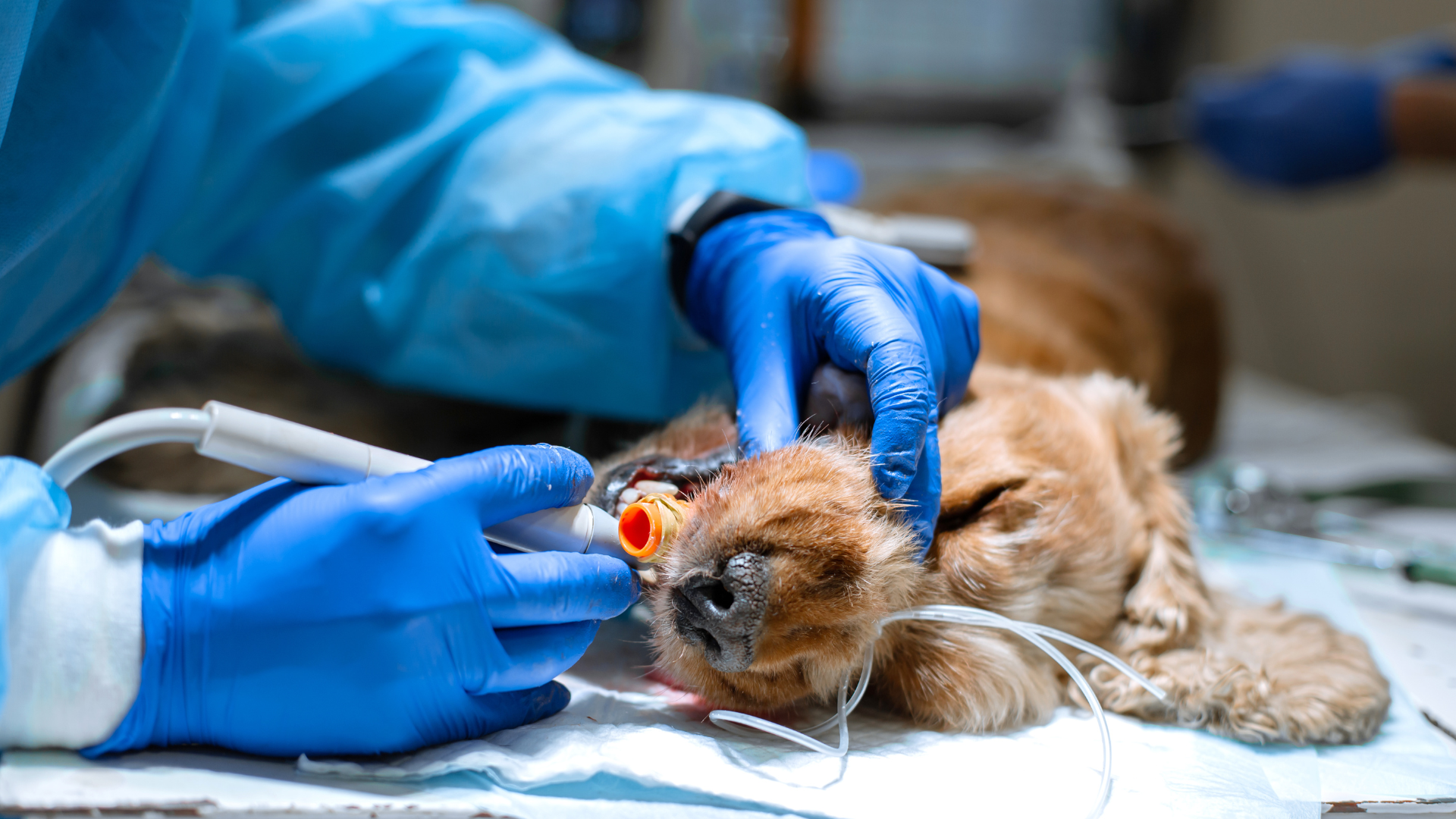
The safest and most effective method to remove tartar is professional teeth cleaning at the vet. Generally, tartar removal is performed under general anesthesia so that the dog remains calm and the vet can work thoroughly. Using ultrasonic devices and special instruments, the tartar is removed, the gums are cleaned, and the teeth are polished.
-
Costs: The costs for professional tartar removal vary depending on the extent of the procedure, the anesthesia, and any additional treatments. On average, costs range between 60 and 190 euros, depending on the region and the condition of the dog's teeth.
Home remedies for tartar: Are they effective?
Many home remedies circulate on the internet that are said to help remove tartar in dogs. Coconut oil, apple cider vinegar, or baking soda are frequently mentioned, but their effectiveness is not proven and in some cases can even be harmful.
Coconut oil, for instance, may have antibacterial properties, but it cannot dissolve hardened tartar in dogs. Similarly, you should avoid aggressive substances like baking soda, as they can attack your dog's tooth enamel.
Conclusion: Tartar in dogs – Prevention and treatment
Tartar in dogs is a common but preventable problem. With consistent dental care and the right measures, you can significantly support your dog's dental health and avoid serious complications.
The most important step for prevention is daily brushing, which, in combination with dental care snacks and special chew toys, effectively removes plaque before it can harden. An adapted diet that promotes mechanical cleaning through dry food also contributes to reducing tartar.
Despite all precautions, it remains important to schedule regular check-ups with the vet to have your dog's teeth examined. Tartar that has already formed can only be removed through professional teeth cleaning. Such cleaning is important not only for cosmetic reasons but also for your dog's general well-being. Tartar can cause inflammation, pain, and even tooth loss, and in advanced cases, damage other organs.
Through continuous care and regular check-ups, you can help your dog live a pain-free, healthy life. Good dental hygiene is the key to minimizing the formation of tartar and promoting your dog's overall health.
A quick summary of the most important points for preventing tartar formation in dogs:
Daily brushing: The most important step for prevention, especially to keep the spaces between the teeth clean.
Dental care snacks and chew toys: Help to mechanically remove dental plaque.
Regular vet visits: At least once a year for a check-up.
Adjust diet: High-quality food and snacks contribute to dental health.