

Hyperacidity in dogs: causes, symptoms and how you can support your dog
Hyperacidity in dogs is a condition that surprises many dog owners. Symptoms often appear gradually, and it takes a while to realize that the problem lies in the acid-base balance. But what exactly does hyperacidity mean, what are the causes, and how can you help your dog feel better? In this blog post, I will explain everything in detail so that you better understand what to look out for and how you can actively take action against hyperacidity.
What does hyperacidity in dogs mean?
Hyperacidity occurs when the body's acid-base balance becomes disrupted, which often also affects your dog's stomach. Your dog's body produces acids daily, including stomach acid, through normal metabolic processes. These acids, including stomach acid, are usually neutralized by alkaline substances such as minerals and excreted via the kidneys, skin, and respiratory tract.
However, when too many acids are formed or too few alkaline substances are available, this process stalls. The body—especially the stomach—is then no longer able to sufficiently break down and neutralize excess acids, such as stomach acid. This leads to hyperacidity, also known as acidosis, which is often exacerbated by gastric hyperacidity.
How does hyperacidity develop in dogs?
The causes of hyperacidity in dogs are manifold. Often, several factors combine to lead to an imbalance in the acid-base household. Here are the most common causes in detail:
Incorrect diet
Your dog's diet has a major influence on the acid-base balance. Many commercial dog foods are rich in grains, low-quality meat components, and artificial additives that have an acidifying effect. A diet consisting predominantly of such food can lead to your four-legged friend's body constantly producing too many acids.
Stress and psychological strain
Just like in humans, stress can also lead to increased acid production in dogs. Dogs that are under constant tension—whether due to environmental influences, other animals, or insecurity—produce increased stress hormones. These hormones stimulate the metabolism, which in turn leads to increased acid formation.
Lack of exercise
Dogs need regular exercise to support their metabolism. Movement helps the body break down acids and excrete them through breathing and sweat. Dogs that move little therefore break down fewer acids, which can lead to hyperacidity.
Medication use
Certain medications, such as painkillers or cortisone preparations, can put a heavy strain on your dog's metabolism. Long-term medication use often leads to a disturbed acid-base regulation, as the body has difficulty compensating for the additional burden.
Chronic illnesses in dogs
Some diseases, such as kidney problems or diabetes, impair the body's ability to excrete acids. In such cases, hyperacidity can occur quickly, as the kidneys, which are responsible for acid breakdown, are no longer functioning properly.
Which symptoms indicate hyperacidity in dogs?
Hyperacidity can manifest through various symptoms that are not always immediately attributable to it. These symptoms can appear both gradually and suddenly. Here is an overview of the most common signs:
1. Gastrointestinal complaints:
Digestive problems such as diarrhea, flatulence, or vomiting are among the first signs of hyperacidity. Increased burping or heartburn can also occur because the stomach is producing too much acid.
2. Skin problems and dull coat:
A disturbed acid-base balance often has a negative effect on your four-legged friend's skin and coat. You will notice that the coat becomes dull and lacks shine, dandruff forms, or even increased hair loss occurs. Skin irritation or itching can also indicate that the body is trying to excrete excess acids through the skin.
3. Fatigue and lethargy:
Dogs suffering from hyperacidity often appear tired, sluggish, and have little energy. This is because the body has to expend a lot of energy to neutralize the excess acids. The constant burden leads to exhaustion of the organism.

4. Muscle pain and cramps:
Hyperacidity can also affect muscle tissue. When too many acids circulate in the body, they can attack the musculature and lead to pain, tension, or even cramps.
5. Behavioral changes:
Some dogs also react to hyperacidity with behavioral abnormalities. You may notice that your dog is more nervous, irritable, or anxious than usual. These changes in behavior occur because hyperacidity can also affect the nervous system.
How can you detect hyperacidity in your dog?
Clearly diagnosing hyperacidity is not always easy, as many symptoms are non-specific and can also indicate other health problems. A useful tool, however, is measuring the pH value in your dog's urine. The pH value provides information about whether your dog's body is in balance.
A normal pH value is between 6.5 and 7.5. If the value falls below this, it indicates hyperacidity. You can use pH test strips, which you can get at the pharmacy or from the vet. Regular monitoring can help you keep an eye on the acid-base balance.
The consequences of untreated hyperacidity
If hyperacidity is not treated over a longer period, it can have significant health consequences. The dog's body is forced to draw more and more alkaline minerals from the bones, teeth, and organs to neutralize the acids. This can lead to a deficiency in important minerals such as calcium, magnesium, or sodium, which weakens the bones in the long term and increases the risk of osteoporosis.
The kidneys and the cardiovascular system are also heavily strained. Severe hyperacidity can even lead to kidney failure or heart problems.
What can you do to treat hyperacidity in your dog?
Fortunately, there are several ways to bring your dog's acid-base balance back into equilibrium. Here are some concrete steps you can take:
Dietary change: Diet is one of the most important levers for treating hyperacidity. Ensure that your dog's food is rich in alkalizing foods. Vegetables such as carrots, zucchini, pumpkin, and spinach, as well as herbs and high-quality meat types, help reduce acid production. Avoid grains, sugar, and artificial additives, as these have a strongly acidifying effect.
Herbs and nutritional supplements: Herbs such as stinging nettle, dandelion, or milk thistle can help support acid breakdown in the body. There are also special alkaline powders or nutritional supplements that regulate the pH value and help your dog's body excrete excess acids faster.
More exercise: Regular exercise is crucial to stimulate the metabolism and promote the excretion of acids through breathing and sweat. Ensure your dog gets sufficient exercise and physical activity—walks, playing, and romping outdoors support regeneration.

Reduce stress: Stress is one of the biggest acid producers. Try to avoid stressful situations for your dog and provide a calm, stable environment. Relaxation phases and sufficient sleep are just as important to calm the nervous system and reduce the acid excess.
Regular health checks: Should your dog suffer from a chronic illness or need to take medication long-term, it is important to have their health status and acid-base balance monitored regularly. Your vet can support you in this and initiate appropriate therapy if necessary.
How can you prevent hyperacidity in dogs?
Prevention is the key to avoiding hyperacidity in your dog. Here are some tips on how to ensure a good acid-base balance from the start:
Healthy, balanced diet: Ensure your dog gets a varied, natural diet. Fresh meat, vegetables, and herbs should make up the main part of the diet. Avoid too many industrial feed products, which often contain hidden acidifiers.
Regular pH check: Monitor the pH value of your dog's urine regularly. This allows you to intervene early if hyperacidity is developing.
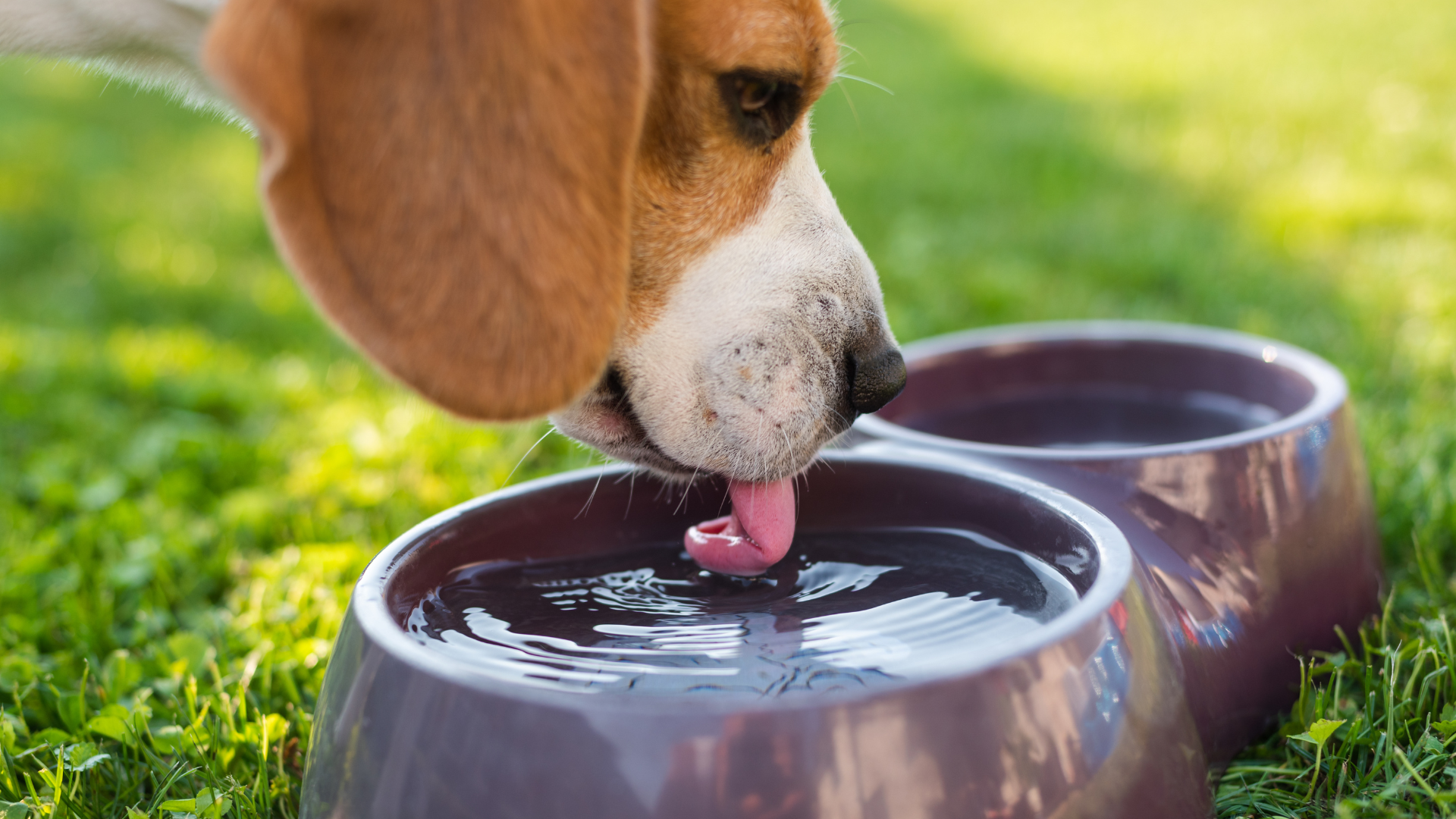
Sufficient water: Ensure your dog always has enough fresh water available. Water supports the body in excreting excess acids and helps relieve the kidneys.
Stress-free environment: A relaxed environment without constant stimuli and stress sources promotes your dog's general well-being and helps ensure that the acid-base household remains balanced.
When should you see a veterinarian?
If you notice that your dog is showing symptoms over a longer period or their condition is deteriorating, it is important to see a vet. Especially with severe gastrointestinal problems, persistent fatigue, or noticeable skin changes, you should not hesitate. An experienced veterinarian can make an accurate diagnosis and recommend targeted treatment measures.
Conclusion: Recognizing and treating hyperacidity and gastric hyperacidity in dogs
Hyperacidity, especially gastric hyperacidity in dogs, is a widespread but often overlooked problem. The dog's stomach plays a central role in this, as an overproduction of stomach acid can disrupt the sensitive balance in the digestive tract. This overproduction of acids can be caused by incorrect diet, stress, or lack of exercise and can manifest in various symptoms such as digestive problems or discomfort that are often difficult to categorize.
With a targeted change in diet that relieves the stomach, sufficient exercise, and the reduction of stress, you can actively contribute to bringing your dog's stomach back into balance and regulating the overproduction of stomach acid. In this way, you help to avoid gastric hyperacidity and its consequences and stabilize the entire acid-base balance.
It is important that you pay close attention to your dog's needs, especially when it comes to stomach problems and potential gastric hyperacidity. If you suspect an overproduction of stomach acid, it is advisable to consult a veterinarian who can provide an accurate diagnosis. With the right care and support, your dog will be fit, vital, and balanced again—and their stomach will remain healthy too!