
My dog is shaking: causes and measures
Your dog is suddenly trembling, even though it is warm and there are no apparent reasons. But why do dogs actually tremble? This can understandably worry you, especially if the trembling lasts for a long time or occurs regularly. In this guide, you will learn about the most important causes of trembling in dogs, how you can act, and when it is time to see the veterinarian.
Trembling in dogs – Why dogs tremble!
Trembling in dogs is a common phenomenon that can occur for various reasons. It is important that you observe the different indicators to better assess whether it is a harmless condition or a more serious problem. If a dog is trembling, this can be due to simple causes such as cold or stress, but it can also indicate health problems.
To ensure your dog's well-being, as a dog owner, you should get an overview of the possible causes and reasons why a dog trembles.
Cold as a cause of trembling in dogs
A common and often harmless scenario is trembling due to cold in your four-legged friend. Dogs, especially small dog breeds or those with short fur, can freeze quickly in low temperatures. Trembling is a natural reaction of the body to generate heat and maintain body temperature. Make sure not to leave your dog outside for too long in cold weather conditions, and use a dog coat if necessary.
Measures for cold:
-
Limit the time your dog spends outside.
-
Ensure that your dog can stay in a warm area indoors.
-
Use a dog coat or a blanket to keep him warm.
Trembling in dogs due to fear and stress
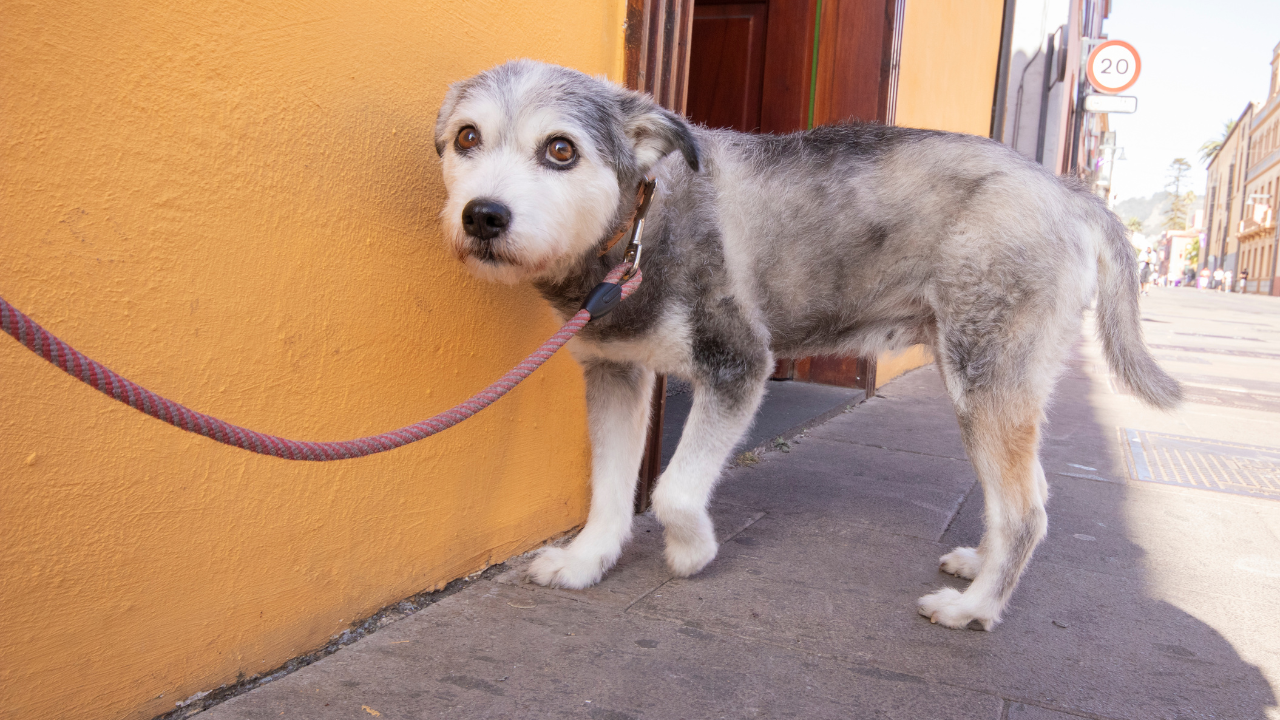
Dogs are very sensitive creatures and can react strongly to stress and fear. A dog trembling is a typical reaction in such situations. Possible triggers are loud noises such as fireworks or thunderstorms, but also unfamiliar environments like a visit to the vet, which can cause fear. Through trembling, your dog shows that he feels uncomfortable and is potentially afraid. Here, it is important to remain calm and give your dog a sense of security.
Measures for fear or stress:
-
Stay calm and composed to convey a sense of security to your dog.
-
Avoid loud or stressful environments.
-
Offer him a retreat where he feels safe.
Trembling in dogs as a sign of pain
Another reason for trembling in dogs can be pain. Older dogs in particular, who suffer from joint problems or osteoarthritis, often show trembling in connection with a reluctance to move or stiffness. Trembling can also occur with injuries or acute pain due to internal illnesses. If you suspect that your dog is in pain, you should visit the veterinarian to clarify the cause.
Indicators that point to pain:
-
Trembling, combined with lameness or movement restrictions.
-
Altered behavior, such as decreased appetite or withdrawal.
-
Hypersensitivity when touching certain body areas.
Illnesses as a cause of trembling
Illnesses like the so-called "shaker syndrome," neurological disorders, or infections can also cause trembling in dogs. With fever, the body tries to regulate its temperature by trembling. Epilepsy can also lead to convulsive twitches or trembling. It is important to distinguish this type of trembling from other forms and to seek medical help in time.
Measures for suspected illness:
-
Watch for other indicators such as vomiting, diarrhea, or fever.
-
In case of neurological disorders, you should have your dog thoroughly examined.
-
Note down the frequency and duration of the trembling to provide the veterinarian with detailed information.
Poisoning as a cause of trembling
Dogs are curious and like to try things they shouldn't. Poisoning, for example from eating chocolate, poisonous plants, or household cleaners, can lead to trembling, vomiting, and cramps. If you suspect that your dog has ingested something poisonous, you should contact the veterinarian immediately.
First aid for suspected poisoning:
-
Bring your dog to the doctor immediately.
-
Try to find out what he has eaten to provide the doctor with accurate information.
-
Keep your dog calm and prevent further ingestion of the poisonous substance.
Trembling in dogs due to low blood sugar (hypoglycemia)
Small dog breeds or puppies, in particular, tend to tremble when they have low blood sugar. This often happens if the dog has not eaten enough or has been under heavy physical strain. In such a case, it helps to give your dog something to eat quickly to stabilize their blood sugar level.
Measures for low blood sugar:
-
Feed small, regular meals to keep blood sugar constant.
-
In case of acute trembling, you can give him a little piece of sugary food or honey.
-
Ensure that puppies receive enough nutrients.
Aging processes and trembling
An old dog often trembles due to age-related illnesses like osteoarthritis or neurological problems. The trembling can be caused by muscle loss or restricted mobility. Here, too, a visit to the veterinarian is advisable to clarify whether your dog is in pain or whether physiotherapeutic measures could help.
Measures for older dogs:
-
Offer your dog comfortable sleeping places and ensure that he does not overexert himself.
-
Discuss with the doctor whether pain medication or dietary supplements could help.
-
Regular exercise and physiotherapy can alleviate joint problems.
Trembling due to excitement and anticipation
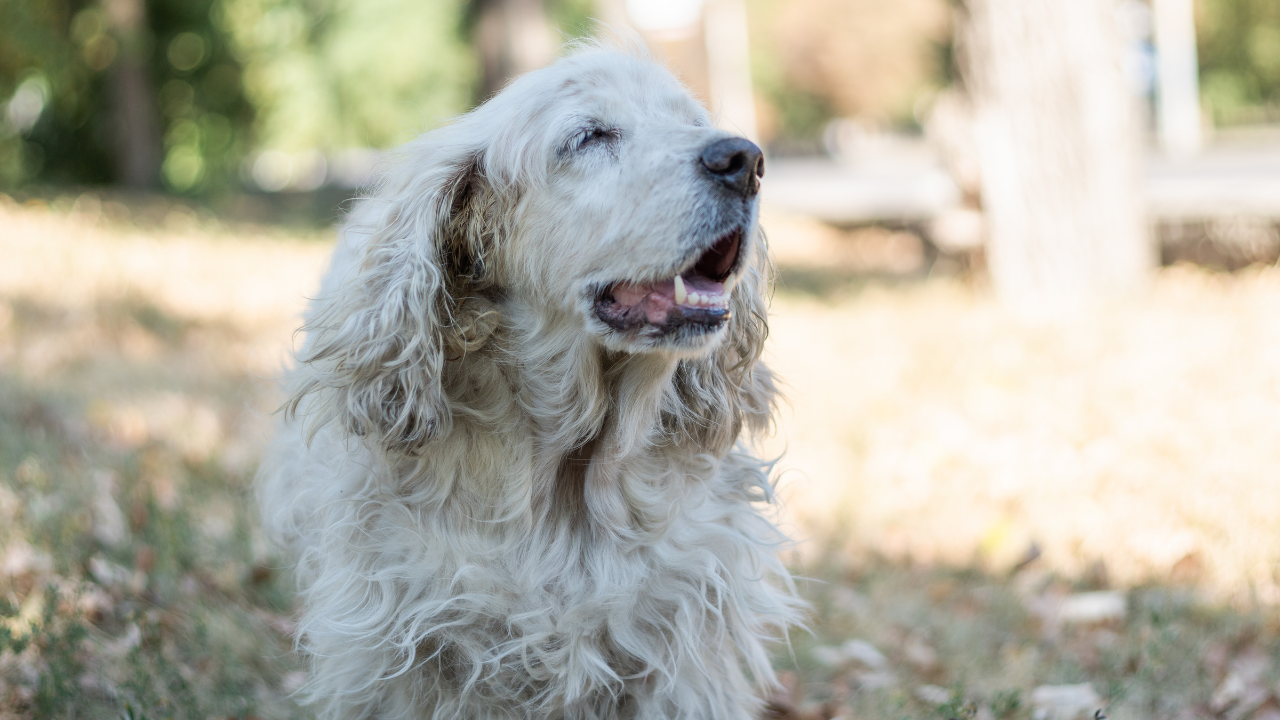
Some dogs tremble with excitement, for example, when they know they are about to go for a walk or are allowed to eat. This trembling is usually harmless and subsides as soon as the dog has calmed down. It is important that you ensure the dog is not constantly in a state of overexcitement, as this can lead to stress in the long run.
Measures for excitement:
-
Try to calm your dog down in exciting moments.
-
Train calm phases specifically to avoid overstimulation.
-
Give him clear signals when it is time to relax.

Trembling due to gastrointestinal problems
Trembling can also be a sign of gastrointestinal problems, especially if it occurs in connection with vomiting or diarrhea. In such cases, your dog may have discomfort in the abdominal area. Feed him only easily digestible food during this time and see a veterinarian if the symptoms persist.
Treatment for gastrointestinal problems:
-
Give your dog bland food like rice and chicken.
-
Ensure he drinks enough water to avoid dehydration.
-
Consult the veterinarian if the condition does not improve.
Trembling due to tiredness or exhaustion
Dogs sometimes tremble when they are very tired or exhausted, especially after long walks or intense play sessions. The trembling in such cases is a bodily reaction to overexertion. It usually subsides after a short rest period.
Procedure for exhaustion:
-
Ensure that your dog gets enough rest.
-
Avoid overexertion, especially in puppies or older dogs.
-
Ensure regular breaks during longer activities.
Muscle trembling after exercise
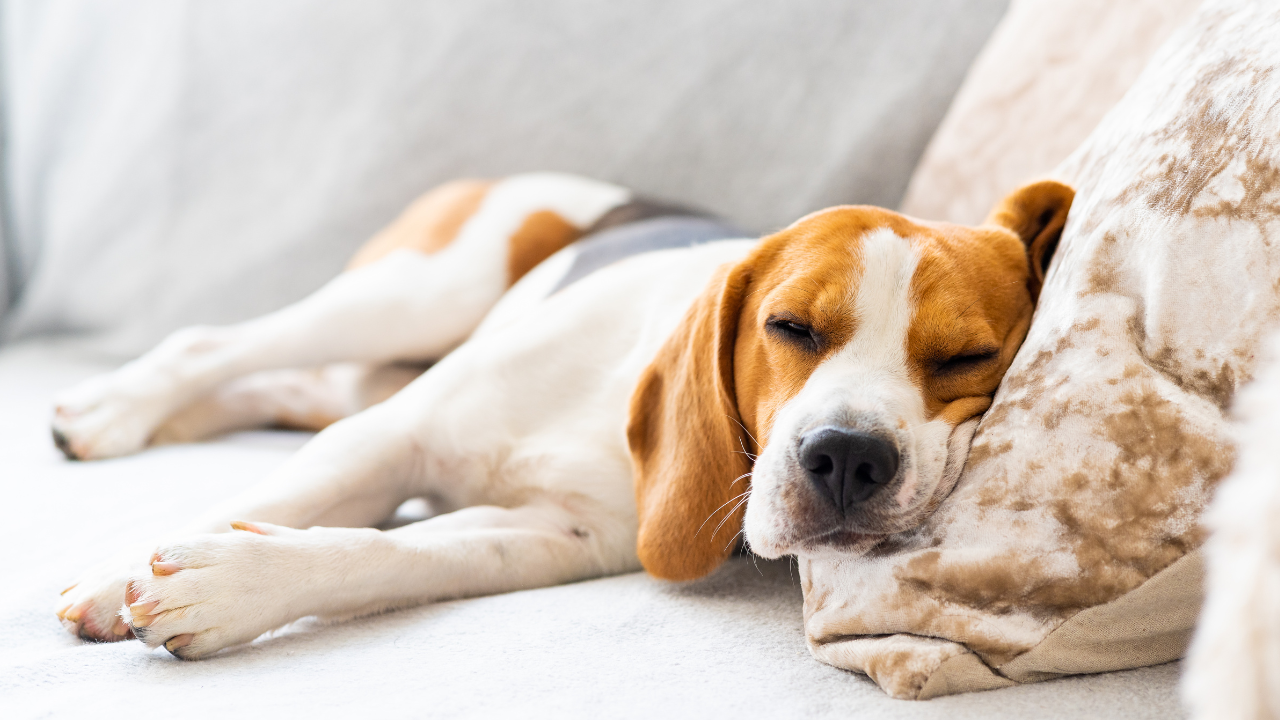
After intense physical activities, such as a long run or training, muscle trembling can occur. This is comparable to the muscle trembling that humans also experience after strenuous exercise. It is usually harmless as long as it only occurs temporarily.
Measures for muscle trembling:
-
Give your dog enough time to recover after exercise.
-
Avoid excessive physical strain, especially in untrained dogs.
-
Ensure your dog drinks enough after exercise.
Trembling due to neurological disorders
Certain neurological disorders like the mentioned "shaker syndrome" or epilepsy can cause trembling or twitching. These conditions require an accurate diagnosis and treatment by the veterinarian, as they can cause serious health problems if left untreated.
Approach for neurological disorders:
-
Watch for unusual behaviors such as sudden cramps or disorientation.
-
Record the indicators precisely and discuss them with your veterinarian.
-
In some cases, medical treatment may be necessary.
Trembling due to pain after surgery
After surgery, trembling can be triggered by pain or the side effects of anesthesia. In these cases, you should give your dog enough rest and administer pain medication.
Aids after surgery:
-
Give your dog the prescribed pain medication and watch for his recovery.
-
Keep him calm and avoid unnecessary movement.
-
Consult the veterinarian if the trembling persists for a long time.
Fever as a trigger for trembling
If your dog has a fever, trembling can occur because the body is trying to regulate its temperature. Accompanying symptoms such as loss of appetite, lethargy, and vomiting can indicate a serious infection. An immediate visit to the veterinarian is advisable here.
Treatment for fever:
-
Take your dog's temperature to ensure he has a fever.
-
Offer him enough water to avoid dehydration.
-
Bring him to the doctor immediately to treat the cause of the fever.
Trembling due to overheating
Overheating can also cause trembling. If a dog has been in the sun for too long or has been under heavy strain, their body can overheat. In such cases, it is important to cool the dog down immediately, as overheating can be life-threatening.
Measures for overheating:
-
Bring your dog into the shade or a cool room immediately.
-
Offer him fresh water and cool him down carefully with damp cloths.
-
If his condition does not improve quickly, contact the veterinarian.
Trembling after vaccinations
Some dogs react to vaccinations with trembling, which can be attributed to side effects or pain at the injection site. These symptoms are usually temporary and disappear within a few hours.
Behavior after vaccinations:
-
Give your dog time to recover from the vaccination.
-
If the trembling persists or other symptoms like vomiting occur, contact your veterinarian.
-
Observe your dog closely for unusual reactions.
Trembling due to hormonal disorders
Hormonal imbalances, such as an underactive thyroid (hypothyroidism), can also cause trembling. If you suspect that there is a hormonal disorder, you should have this clarified through a blood test at the veterinarian.
Measures for hormonal disorders:
-
Watch for additional symptoms such as weight gain or lethargy.
-
Discuss potential medical treatment.
-
Regular check-ups and blood tests are important to monitor the condition.
Trembling in puppies
Puppies tremble frequently, especially in the first few weeks after birth. This can be caused by hypothermia, low blood sugar, or a lack of control over their bodily functions. Puppies often do not have fully developed thermoregulation yet and tremble to warm themselves up.
Measures for trembling puppies:
-
Make sure that your puppy is always warm enough.
-
Feed them regularly to avoid low blood sugar.
-
Observe their behavior and contact your vet if you are unsure.
Trembling in small dog breeds
Small dog breeds, such as Chihuahuas or Miniature Pinschers, often tremble more frequently than larger dogs. This is partly because they are more sensitive to temperature changes and get cold more quickly. Stress and excitement can also trigger trembling in these breeds.
Measures for small dogs:
-
Make sure that your dog is warm enough, especially in the cold months.
-
Avoid stressful situations and create a relaxed environment.
Trembling after bathing
Dogs often tremble after bathing, especially if they are not yet completely dry. This is also a natural reaction to the cold, especially in dogs with thin fur.
Measures after bathing:
-
Dry your dog thoroughly to minimize the trembling.
-
Use a hairdryer on a low setting to dry them quickly and safely.
-
Make sure they do not enter cold environments before they are completely dry.

Trembling due to infections and inflammation
Infections, whether from viruses, bacteria, or parasites, can cause trembling. This type of trembling is often accompanied by other symptoms such as fever, vomiting, or loss of appetite. Rapid action is required here to find and treat the cause.
Measures for infections:
-
Watch for symptoms such as fever, chills, or lethargy.
-
Take your dog to the vet immediately to rule out an infection.
-
Keep your dog calm and ensure they consume enough fluids.
Dog trembling in its sleep
If your four-legged friend trembles in their sleep, it might seem strange or even worrying at first. However, trembling during sleep is in most cases completely normal and harmless. Just like humans, dogs go through different sleep stages, including the so-called REM (Rapid Eye Movement) phase, which is considered the dream phase. During this phase, twitching or trembling can occur because the dog is dreaming.
Measures for trembling in sleep:
-
Observe: In most cases, your dog trembles in their sleep because they are dreaming. Observe them from a distance and let them sleep.
-
Quiet environment: Ensure your dog's sleeping area is quiet and comfortable so they can sleep undisturbed.
-
Vet visit for abnormalities: If the trembling is excessively strong or your dog seems confused upon waking, talk to your vet to rule out serious health issues.
When should you go to the vet?
Not every tremble in a dog requires an immediate vet visit, but there are certain signs you should be cautious about. If the trembling lasts longer than usual or is accompanied by other symptoms such as vomiting, diarrhea, lethargy, or pain, a vet visit is essential.
Indications for a vet visit:
-
Your dog is trembling strongly and showing other worrying symptoms.
-
The trembling lasts longer than a few minutes or occurs frequently.
-
There is a suspicion of poisoning or a serious illness.
Conclusion
Trembling in dogs can have many causes, from harmless factors like the cold to serious health problems. It is important that you observe your dog's symptoms closely and act quickly if necessary. Depending on the situation, a visit to the vet is always the right decision in case of doubt to ensure the health of your four-legged friend.