

Can dogs eat grapes? Why these fruits are dangerous for your four-legged friend
As a dog owner, you often wonder which fruits your four-legged friend can eat and which they cannot. One particularly frequently asked question is: Can dogs eat grapes? The answer is clear: No, dogs should not eat grapes or raisins.
In this article, you will learn why this is the case and what dangers lie behind it.

Why are grapes dangerous for dogs?
Grapes and also raisins, the dried form of grapes, contain an unknown substance that can trigger severe poisoning in dogs. Although humans can eat grapes without any problems, dogs react quite differently to these fruits. Even small quantities can be extremely dangerous for your four-legged friend and can even lead to life-threatening situations.
What happens if a dog eats grapes?
If your dog consumes grapes or raisins, initial signs of poisoning can quickly occur. Typical symptoms such as vomiting and diarrhea often appear within a few hours. In bad cases, it can lead to kidney failure, which is life-threatening for your four-legged friend.
Important to know: Not every dog reacts the same way; some dogs show symptoms after consuming only small amounts, while others might tolerate larger quantities.
Signs of grape poisoning
There are several signs that can indicate poisoning from grapes:
-
Vomiting
-
Diarrhea
-
Loss of appetite
-
Lethargy (unusual tiredness)
-
Dehydration due to repeated vomiting and diarrhea
-
Abdominal pain
-
Increased thirst or very little urine
These symptoms indicate that your dog may have a serious poisoning that can lead to kidney failure. It is important to act immediately if you notice these signs in your four-legged friend.

What to do if your dog has eaten grapes?
If your dog has eaten grapes or dried grapes, you must see a vet immediately. Tell the doctor as accurately as possible how many grapes your dog ate so they can initiate the correct treatment. In some cases, inducing vomiting or administering activated charcoal can help to bind the toxins and prevent them from being absorbed into the body.
Is there a safe amount?
There is no safe amount of grapes that dogs could eat without risk. Every dog reacts differently to the toxic substances in these fruits. Therefore, the general rule is: Dogs must not eat grapes or raisins. Even small amounts can be dangerous, so you should consistently withhold these foods from your dog.
Why are not all dogs affected in the same way?
The reaction to grapes varies among all furry friends. While some four-legged friends react sensitively to even small amounts, other dogs only show symptoms after consuming larger quantities of grapes. Why some dogs are more strongly affected than others has not yet been fully explained scientifically. However, this uncertainty makes it all the more important to keep your dog away from these fruits.
Alternative fruits for your dog
There are many healthy and safe alternatives you can give your dog as a snack. Instead of grapes, the following fruits are suitable:
-
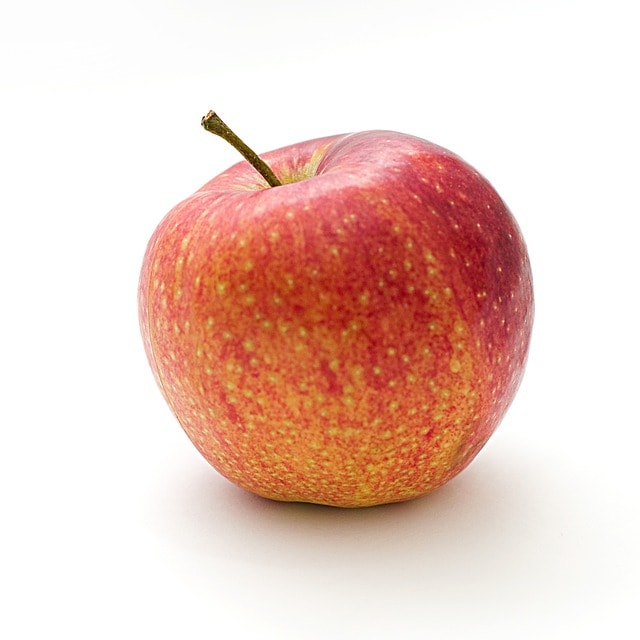
Apples (without seeds)
-
Bananas

-
Blueberries
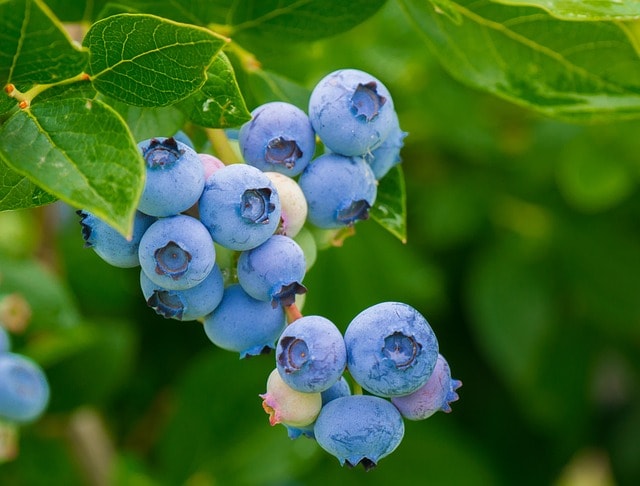
-
Carrots (not a fruit, but a healthy alternative) These snacks are not only harmless but also provide your dog with valuable nutrients and vitamins.

Grapes in processed foods
Grapes or raisins can also be found in processed foods such as granola bars or pastries. It is important to always check the ingredient list before giving your dog a bite of your snack. Even seemingly harmless foods can become dangerous if they contain raisins or grapes.
Conclusion: Can dogs eat grapes? No!
In summary: Dogs must not eat grapes. These fruits are highly toxic to your four-legged friend and can lead to serious health problems. The risk ranges from gastrointestinal distress to kidney failure, which is why it is advisable to consistently remove grapes and raisins from your dog's diet.
Prevention is the best protection
Make sure to store fruits like grapes out of your dog's reach. This applies not only to fruit bowls but also to snacks you have with you on the go or while walking. Your dog should also not eat any fruits lying around on the ground during walks – especially near vineyards or orchards.
What else you should keep in mind
If you have several dogs, it may be that they react differently to the consumption of grapes. Nevertheless, you should be careful with all dogs, because the risk exists regardless of breed, size, or age. Can dogs eat grapes? No, and that applies to every dog.
Always remember: Your dog relies on you to keep them healthy and safe. By withholding dangerous fruits like grapes from them, you are actively ensuring their health and well-being.