
Recognizing and Preventing Ray Hell in Horses
White line disease is the decay of the horn in the white line of the horse's hoof, caused primarily by moisture, dirt, and a lack of airflow. You can recognize it by a black, greasy substance in the white line grooves and a foul smell. The most important countermeasures are daily hoof picking, a dry, clean surface, plenty of exercise, and regular visits to the farrier or hoof trimmer. If the grooves are deep or your horse is sensitive, you should also have your veterinarian take a look.
What is white line disease?
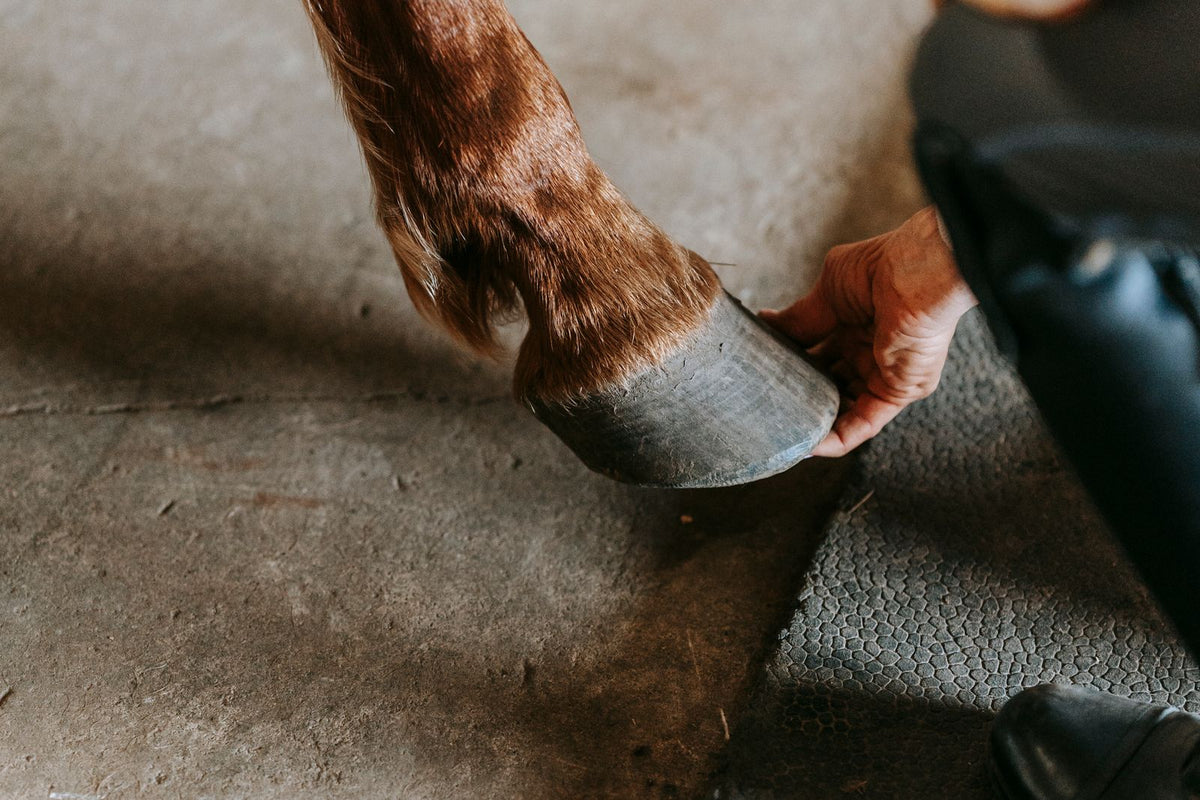
The white line is the wedge-shaped, elastic part on the underside of the hoof. It absorbs shock and supports blood circulation in the hoof with every step. Its horn is softer than that of the hoof wall and therefore more susceptible.
In white line disease, bacteria that live without oxygen break down the white line horn. This happens primarily where dirt and moisture remain for extended periods: in the middle and side grooves of the white line. If left untreated, white line disease can penetrate deeper layers and reach sensitive tissue.
What does white line disease look like?
White line disease is usually noticed when picking out the hooves. Typical signs are:
- a black to gray, greasy substance in the white line grooves
- a pungent, foul smell that becomes particularly noticeable when picking out the hooves
- soft, crumbly, or fissured white line horn
- deep, narrow grooves, especially in the middle of the white line
- a narrow, sunken white line
- sensitivity when you go into the grooves with the hoof pick
A slight smell without any other changes is often an early warning sign. If your horse is sensitive, walks unusually carefully, or bleeds from the grooves, the white line disease is already more advanced. Then it should be handled by professionals.
How does white line disease develop?
White line disease almost always has several causes that come together:
| Cause | Why it promotes white line disease |
|---|---|
| Wet, muddy ground | The horn softens and becomes more susceptible to bacteria. |
| Dirty bedding | Manure and urine contain ammonia and germs that attack the horn. |
| Too little exercise | The white line is put under less stress, the hoof is poorly circulated, and is cleaned less effectively. |
| Infrequent hoof picking | Dirt remains in the grooves for a long time, and air cannot reach it. |
| Unfavorable hoof shape | Narrow tracts and deep grooves are difficult to clean and dry. |
| Long intervals between farrier visits | Overhanging horn and pockets provide hiding places for bacteria. |
Especially in autumn and winter, when paddocks and pastures are waterlogged, many horses suffer from white line disease.
What to do about white line disease?

If you notice white line disease, you should not wait. Here is the best way to proceed:
- Inform the farrier or hoof trimmer: Professionals remove decayed horn and overhanging white line parts so that air can reach the affected areas again.
- See the veterinarian if there is sensitivity: If the white line disease is deep, bleeding, or your horse is walking carefully, your veterinarian should examine the hoof and determine the next steps.
- Clean thoroughly every day: Pick out the hooves at least once a day and carefully clean the white line grooves with a brush.
- Keep dry: Ensure a dry, clean surface and avoid standing in the mud for extended periods.
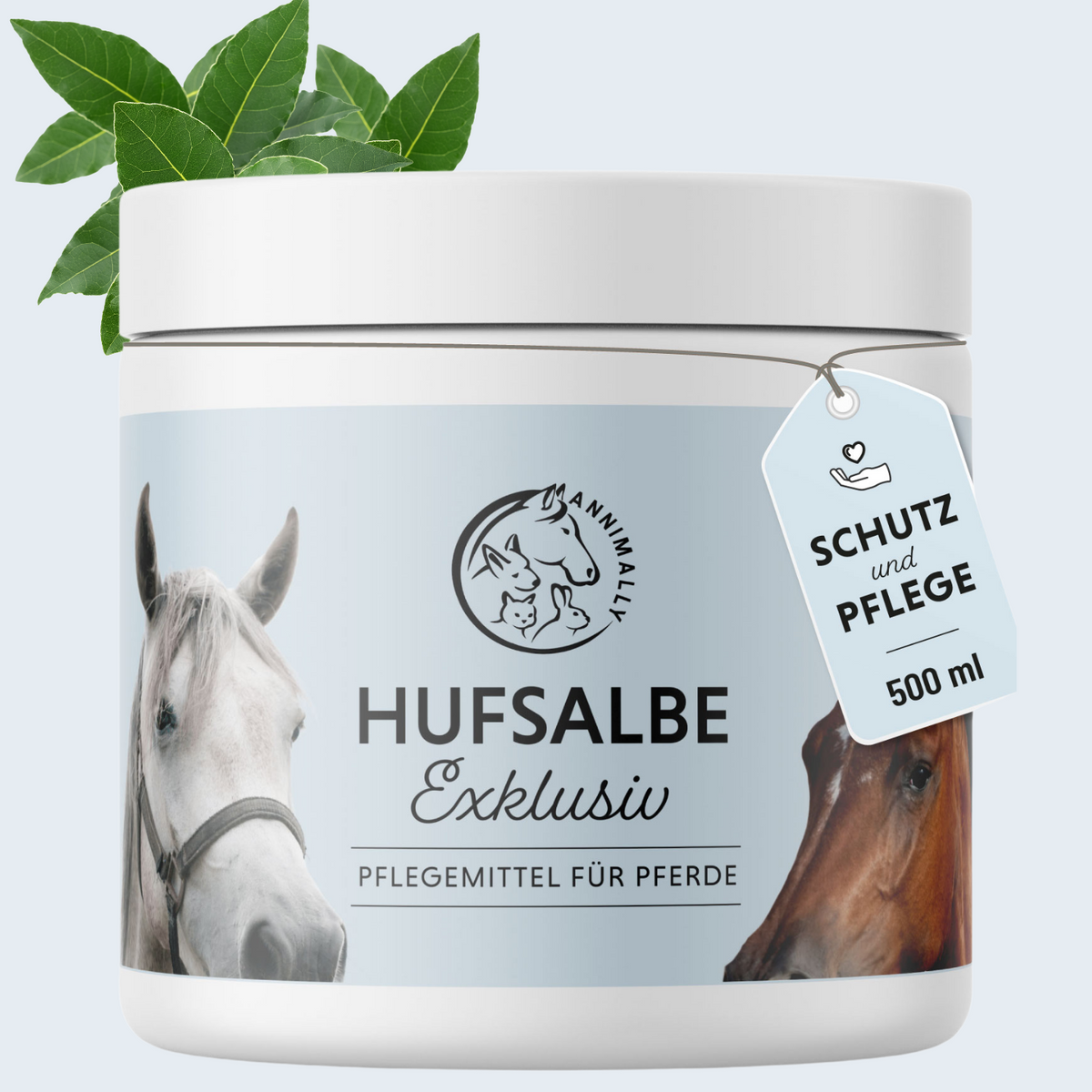
- Apply white line care according to instructions: You can apply a white line care product after cleaning. Follow the application recommendations and speak with your farrier or veterinarian beforehand in cases of deep white line disease.
For white line care, we offer Strahl Akut with organic copper compounds, which cares for the white line and keeps it dry. However, it replaces neither professional hoof trimming nor an examination by a veterinarian if the white line is severely affected.
Preventing white line disease: How to keep the white line healthy
- Pick out the hooves daily: Ideally before and after every session of work and after being out in the pasture.
- Ensure dry surfaces: Paved areas in the paddock, a dry shelter, and mud-free paths relieve the hooves.
- Keep the stall clean: Remove manure and wet bedding daily, and refresh the bedding regularly.
- Allow plenty of exercise: Exercise promotes circulation and keeps the white line elastic and clean.
- Visit the farrier regularly: Depending on the horse, approximately every six to eight weeks, so that no pockets and overhangs form.
- Let the hooves dry after washing: Do not put your horse directly into wet bedding after hosing it down.
- Pay attention to feeding: A balanced supply of nutrients is the basis for healthy hoof horn.
You can read more about healthy hooves in our guide Hoof Care: How to Keep Horse Hooves Healthy. You can also find tips for the wet season in the article How to Keep Your Horse Healthy Through the Winter.
Frequently asked questions about white line disease in horses
How do I recognize white line disease?
By the foul smell and a black, greasy substance in the white line grooves. Often, the white line horn is also soft, fissured, or the middle groove is noticeably deep.
Is white line disease dangerous?
Mild white line disease is common and can be managed with good hoof care. However, if left untreated, it can penetrate deeper and reach sensitive structures in the hoof. Therefore, you should address it early and involve your veterinarian if there is sensitivity.
How long does it take for white line disease to go away?
This depends on how deep it is and how consistently the housing conditions are improved. The white line horn regrows slowly. Plan for weeks rather than days and discuss the procedure with your farrier.
Can barefoot horses also get white line disease?
Yes. White line disease can occur in shod and barefoot horses. Housing, hygiene, exercise, and regular hoof trimming are particularly important.
What can I feed to prevent white line disease?
There is no specific feed for white line disease. However, feeding according to requirements with sufficient minerals and trace elements supports healthy hoof horn. Dry housing, clean hooves, and exercise are more important.
Conclusion: Clean, dry, and moving
White line disease in horses develops primarily where moisture, dirt, and insufficient airflow come together. If you pick out the hooves daily, ensure a dry surface, and have your horse trimmed regularly by the farrier, you have the most important factors under control. If there is a smell from the grooves or the white line looks affected, act early. In cases of deep white line disease or sensitivity, your veterinarian is the right point of contact.