
Horses in heat - What you should know
Estrus in horses is a crucial component of the reproductive cycle in mares and plays an essential role for horse owners, particularly in breeding. A mare in estrus exhibits characteristic signs indicating her readiness to mate. Understanding this natural process, which is hormonally controlled, is vital for determining the ideal time for insemination.
In this blog post, we will take a detailed look at estrus, the cycle, and the behavior of mares, offering you valuable tips to optimally support your mare through this phase.
What is estrus in horses?
Estrus, also known as the heat, is the phase in a mare's reproductive cycle during which she is fertile and ready to mate. A mare in heat displays clear behavioral changes that signal to stallions that she is receptive. This phase usually lasts 5 to 7 days and occurs every 19 to 24 days. During this time, mares undergo hormonal changes, which are reinforced by the influence of light and temperature. The mare's cycle is highly dependent on the season, as longer daylight hours in spring and summer promote estrus, while a so-called resting phase (anestrus) occurs in winter.
The reproductive cycle of the mare
The mare's reproductive cycle is a complex, hormonally controlled process divided into four main phases. Each of these phases plays a crucial role in preparing the mare for reproduction and a potential pregnancy. The cycle is seasonal and heavily influenced by external factors such as daylight and temperature. Particularly in spring and summer, when daylight hours increase, the mare's cycle becomes more active, while a resting phase occurs in winter.
1. Estrus (Heat)
Estrus, also known as the heat, is the fertile phase of the cycle during which the mare is ready to mate. This section lasts about 5 to 7 days and is characterized by distinct behavioral changes indicating mating readiness. During estrus, follicles in the ovaries mature. Rising estrogen levels cause characteristic symptoms such as frequent urination, tail lifting, and increased interest in stallions. A mare in heat often also displays "winking" of the vulva, another sure sign of mating readiness. At the end, usually on the 4th or 5th day, ovulation occurs, where the egg is released from the follicle and can be fertilized.
2. Metestrus
Metestrus occurs immediately after ovulation and lasts about 2 to 3 days. In this phase, the so-called corpus luteum forms from the remaining follicle tissue. The corpus luteum produces the hormone progesterone, which is responsible for maintaining a potential pregnancy. Progesterone prepares the uterus for the implantation of a fertilized egg and ensures that the mare is no longer in heat during this phase. During metestrus, the mare shows no further interest in stallions, and her fertility decreases.
3. Diestrus
Diestrus is the longest section of the cycle, lasting about 14 days. During this time, the mare is not receptive to stallions and shows no signs of heat. The corpus luteum remains active and continues to produce progesterone to support a potential pregnancy. However, if the egg has not been fertilized, the corpus luteum is broken down toward the end of this phase, and progesterone levels drop. This decline in hormones triggers the next estrus, and the cycle begins again.
4. Anestrus
Anestrus is the phase of sexual inactivity and occurs during the winter months when daylight hours decrease. During this time, the mare's hormone levels are very low, and she shows no signs of heat. Anestrus is a kind of "resting phase" for the mare's reproductive organs, as the cycle is not active during this time. Mares undergo a so-called "light dependency" in winter, meaning that longer periods of darkness suppress hormone production, thereby pausing reproductive readiness.
Signs of a mare in heat
There are various physical and behavioral signs that indicate a mare is in heat. You should observe these signs closely so as not to miss the best time for insemination. The most common symptoms include:
-
Frequent urination: A mare in heat urinates more frequently, especially near stallions. This serves as a signal of her mating readiness.
-
Behavior toward stallions: The mare shows increased interest in stallions, seeks their proximity, and is significantly more receptive.
-
Winking vulva: One of the surest signs is the so-called "winking" of the vulva, where it opens and closes rapidly.
-
Tail lifting: The mare frequently lifts her tail and moves it to the side to facilitate access for the stallion.
The behavior of the mare during estrus varies depending on the individual. Some mares become restless or even aggressive during this time, while others simply show increased interest in stallions. You should closely observe your mare's behavioral changes to determine when she is fertile.
Insemination: The ideal time
For horse owners and breeders, the timing of insemination is crucial to ensure a successful pregnancy. Ovulation occurs toward the end of estrus, usually on the fourth or fifth day. Since stallion sperm can survive for several days in the mare's reproductive tract, it is recommended to cover the mare or perform artificial insemination about 24 to 48 hours before ovulation.
In artificial insemination, it is particularly important to determine the exact time of ovulation, as frozen sperm has a limited survival time (12 to 24 hours). To determine the ideal time, veterinary examinations such as ultrasound can be used to monitor follicle growth.
Hormonal control of estrus in horses
Estrus is controlled by a complex hormonal process in which the hormones estrogen and progesterone play a central role. These hormones influence the mare's entire cycle and also determine the characteristic behavior during estrus. When estrogen levels rise during estrus, the mare displays typical behavior such as increased interest in stallions and frequent urination.
In some cases, hormonal disorders can negatively affect the mare. If these disorders occur, the heat may become irregular or stop altogether. Such hormonal imbalances should be investigated by a veterinarian to find the cause and begin appropriate treatment.
A stable balance of hormones is essential for the cycle to proceed normally and for the mare to show healthy reproductive signals.
Problems during estrus: Prolonged heat and cycle disorders in your horse
Some mares suffer from so-called prolonged heat, where estrus lasts longer than 10 days. This can be caused by hormonal imbalances where follicles in the ovaries are not properly broken down. Prolonged heat can lead to restlessness and irritability in the mare and should be examined by a veterinarian.
Typical symptoms of prolonged heat are:
-
Persistent urination
-
Chronic irritability
-
Increased interest in stallions
Regular veterinary monitoring of the cycle is essential to detect and treat such disorders at an early stage.
Estrus in winter: The influence of the seasons on your horse
The mare's cycle is highly dependent on the seasons. During the winter months, when days get shorter, the so-called winter rest (anestrus) occurs. During this time, mares either do not go into heat at all or do so very irregularly. This phase usually lasts from September to March. As daylight increases in the spring, the cycle begins again, and the mares go into heat more regularly.
Supporting the mare during estrus
Many mares cope well with hormonal fluctuations during estrus. However, some mares may exhibit symptoms that require additional support. You can take various measures to support your mare during this time:
-
Nutrition: Adjusted feeding can help regulate hormonal fluctuations. Certain herbs like chasteberry (monk's pepper) and yarrow are known to stabilize the mare's hormonal balance and alleviate cramping.
-
Stress reduction: A calm environment and regular exercise help the mare get through estrus more relaxed. You should ensure your mares are not exposed to unnecessary stress, as this can influence the cycle.
-
Veterinary help: In case of severe symptoms or irregular cycles in the horse, a veterinarian should be consulted to rule out hormonal disorders or other health issues.
Herbs to support mares in heat
Various natural herbs can help stabilize the hormone balance and improve the mare's well-being during estrus. The most popular herbs include:
-
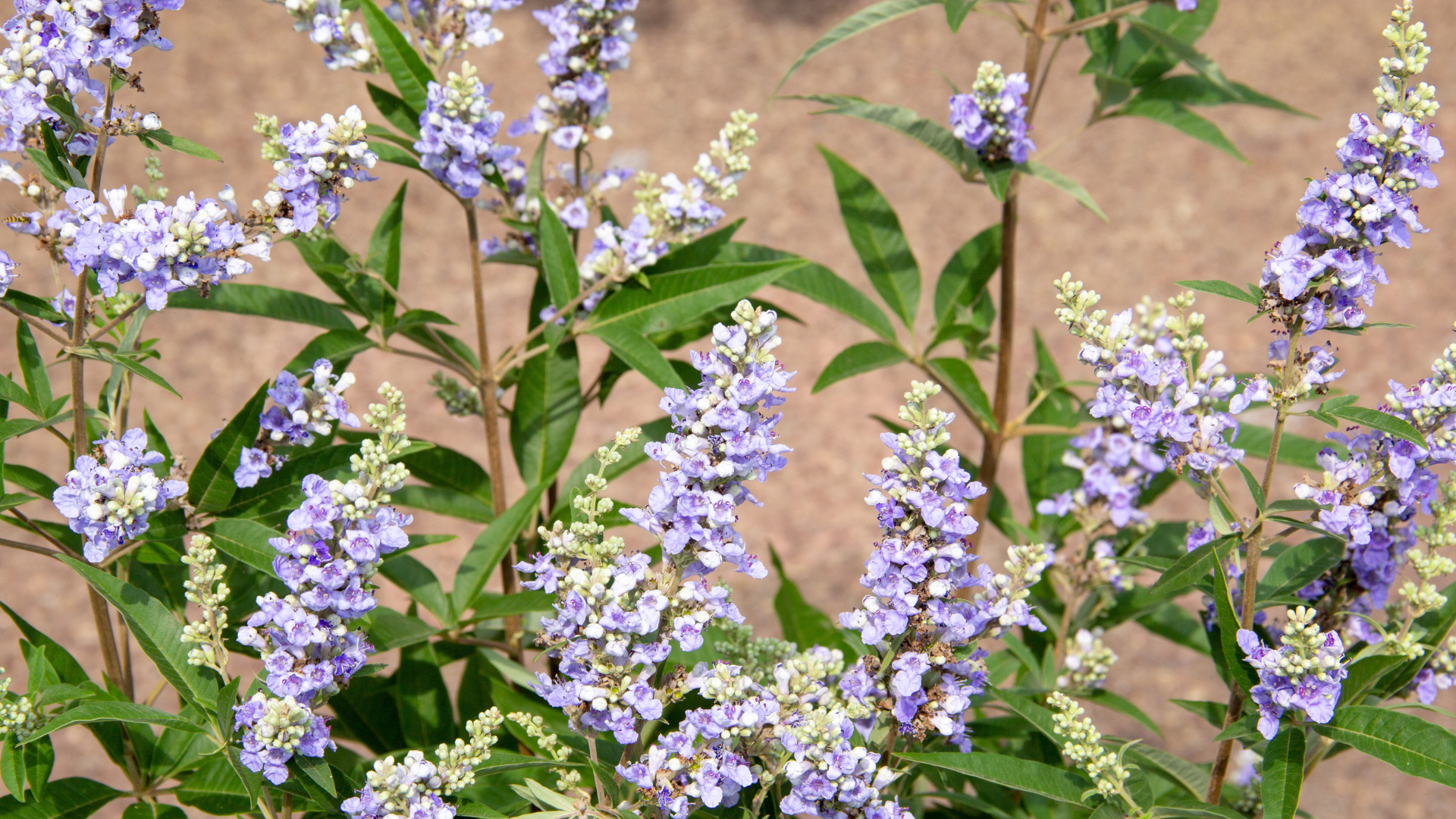
Chasteberry (Vitex agnus-castus): This herb is known for its regulating effect on the hormonal balance and can help with behavioral issues during estrus.
-
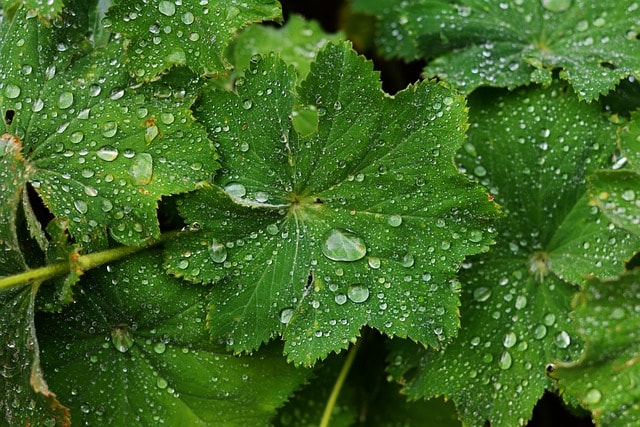
Lady's mantle (Alchemilla vulgaris): Lady's mantle supports fertility and can have an antispasmodic effect, alleviating discomfort during estrus.
-
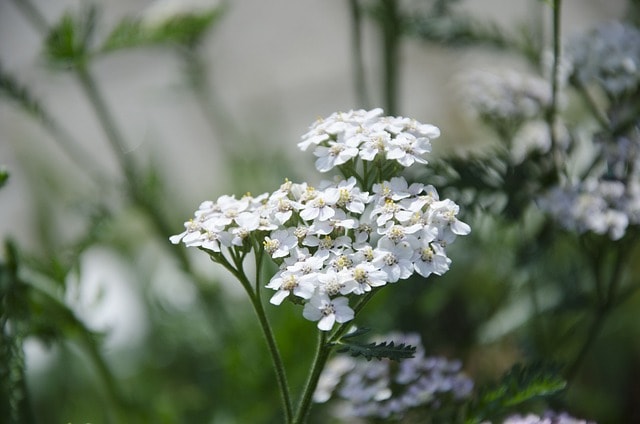
Yarrow (Achillea millefolium): Yarrow has a calming effect and is frequently used to relieve cramps.
Conclusion on estrus in horses
Estrus in mares is a complex, hormonally controlled process that is crucial for reproductive success. A deep understanding of this natural cycle is of great importance not only for breeders but also for horse owners, as it allows them to interpret their animals' behavior better and respond optimally to the needs of their mares in heat.
The physical and behavioral signs shown by a mare in heat range from frequent urination and tail lifting to increased interest in stallions. You should pay attention to these signs to ensure you do not miss the ideal time for insemination, as ovulation usually occurs toward the end of estrus.
A sound understanding of the reproductive cycle and hormonal influences in mares in heat helps in detecting problems like prolonged heat or cycle disorders at an early stage. It is essential to stabilize the hormone balance, for example through targeted nutrition, stress-free management, or the use of herbs like chasteberry and yarrow, which can promote the mares' well-being during estrus.
In artificial insemination, timing plays a decisive role. Therefore, mares in heat should be monitored regularly to determine the optimal time for successful insemination. If you engage deeply with estrus and the behavior of your animals, you can not only improve the fertility of your mares but also increase their general well-being during this time.
In summary, estrus is an unavoidable but manageable part of a mare's life. Through careful observation, individual care, and knowledge of the cycle and the behavior of a mare in heat, you can optimally support your mare's health and fertility and achieve successful, long-term breeding results.