
Sodium in horses – Why salt is vital for your four-legged friend
If you own or care for a horse, you have surely already heard about acid-base balance, electrolytes, or salt licks. But how important is sodium for your horse really – and how can you specifically prevent a sodium deficiency in your horse?
In this article, you will learn everything you need to know about sodium, salt, and electrolytes in horses.
Why does your horse need sodium at all?
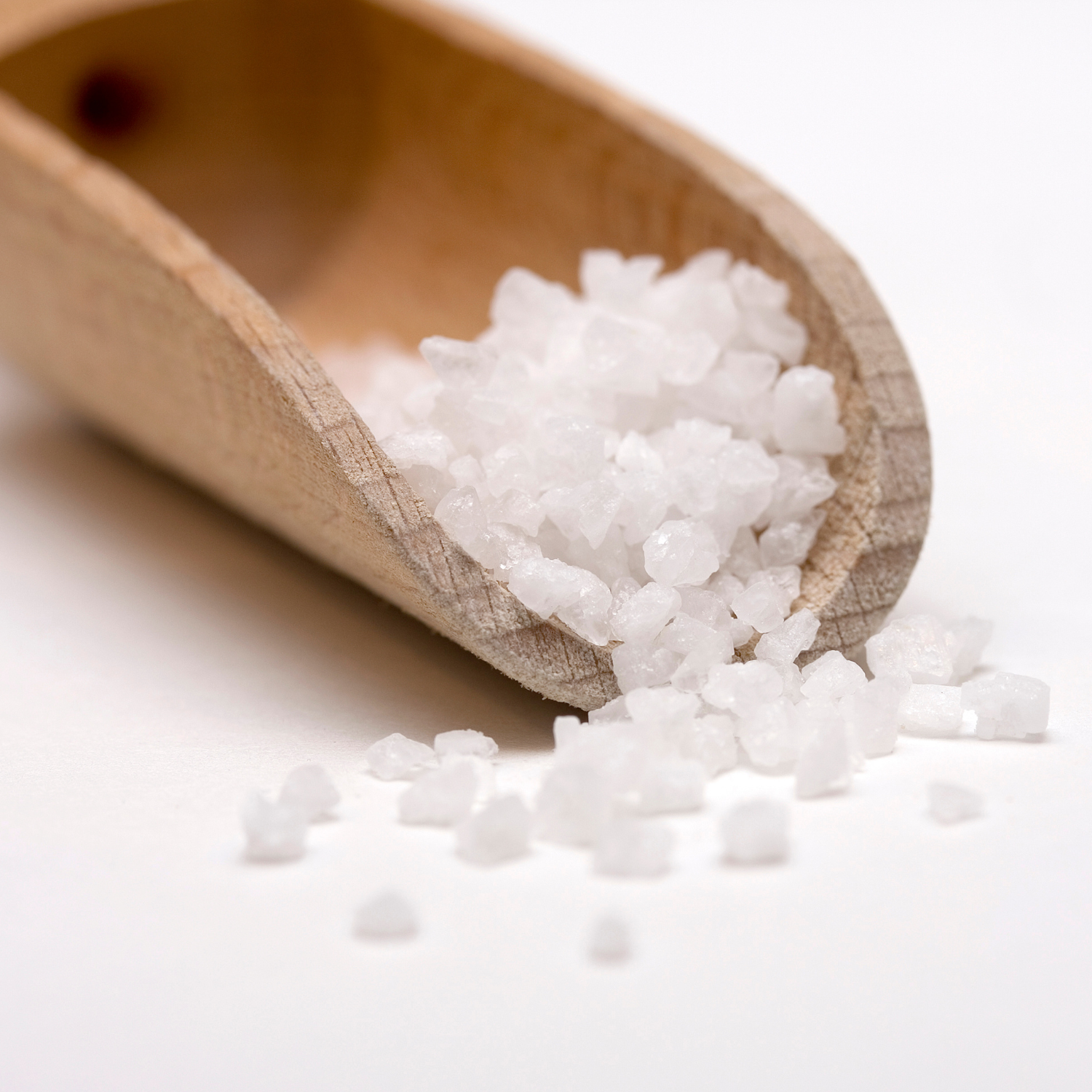
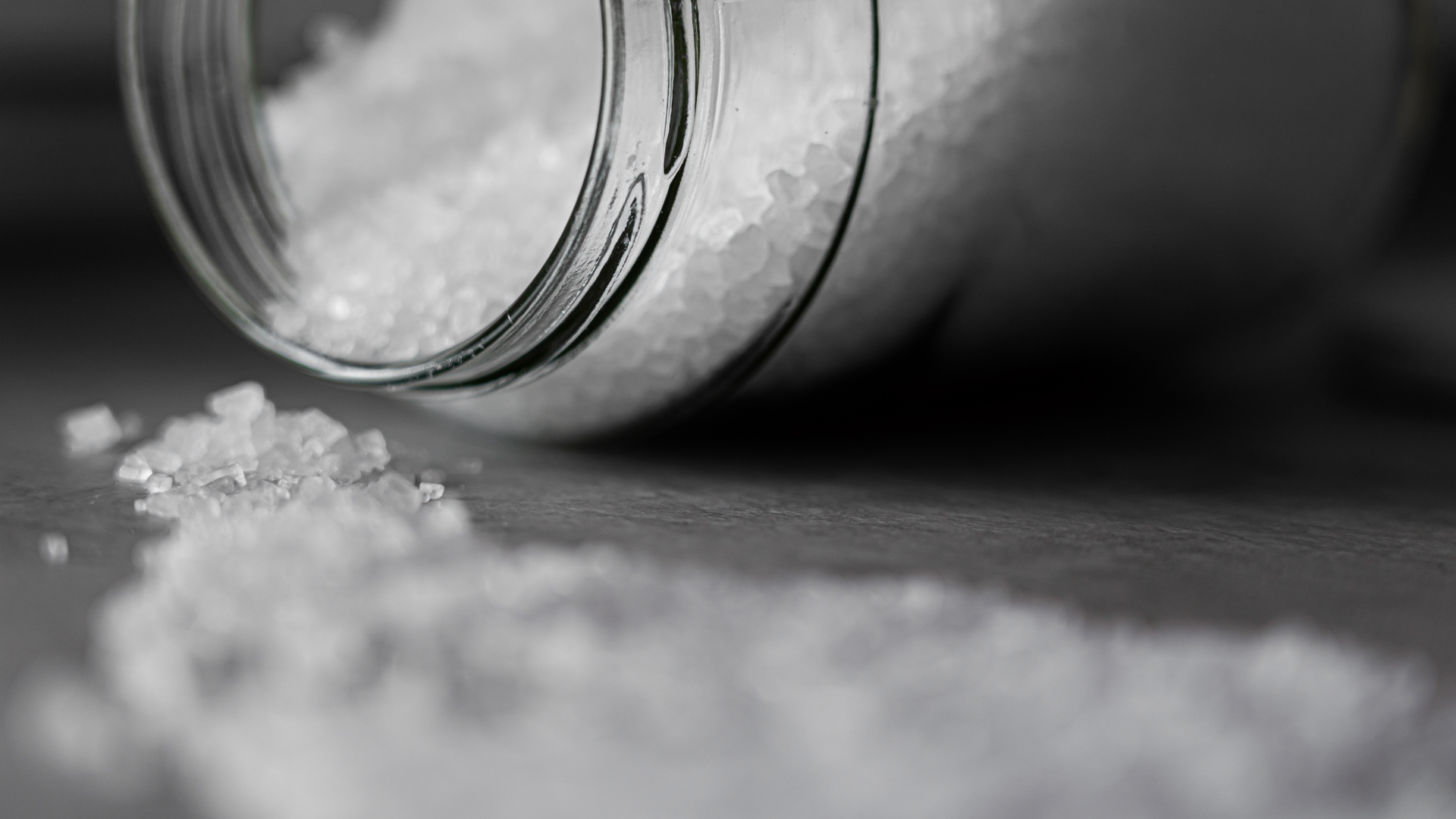
Sodium is a vital mineral that fulfills many functions in your horse's body. Together with chloride, it forms sodium chloride, i.e., conventional table salt – an indispensable component of horse feeding.
Primarily, sodium regulates your horse's water balance and is essential for the function of cells and nerves. It also plays a central role in the acid-base balance, in signal transmission within the nervous system, and in muscle function.
If sodium is lacking, it can have serious consequences for the entire organism.
Horses lose sodium – especially when sweating
Regardless of whether it's summer with high temperatures, during intensive training, under stress, or during transport – your horse loses not only water but also important electrolytes such as sodium, chloride, potassium, and magnesium. Sodium in particular is lost significantly through sweat.
Did you know that sweat loss in a working horse can amount to several liters per hour? In doing so, your horse loses large amounts of minerals – including sodium and chloride in significantly higher concentrations than in the blood.
Signs of a sodium deficiency in horses
A sodium deficiency can develop gradually. The symptoms are often non-specific, but you should be attentive if you notice the following changes:
-
Lethargy or fatigue
-
Decreased performance during training
-
Muscle tremors or cramps
-
Refusal of the salt lick
-
Diarrhea
-
Reduced water intake
-
Worse digestion
-
Unclear metabolic problems
A blood test can also give you clues – here the electrolyte status is checked. The sodium and chloride values are particularly interesting in this regard.
How much sodium does your horse need?
The maintenance requirement for sodium is about 0.02 g of sodium per kg of body mass per day. For an average horse weighing 600 kg, this means about 12 g of sodium daily – which corresponds to approximately 30 g of table salt (NaCl).
But beware: during work, heat, or heavy sweating, the salt requirement can quickly double or triple! The requirement also increases with a high hay or dry matter content in the feed because the body needs more water to process the food.
Salt lick – is that enough?
Many horses have access to a salt lick in the stable or in the pasture. That is generally good – but not always sufficient. Because:
-
Not every horse licks enough salt
-
The requirement is often underestimated
-
Loss is higher, especially in summer
-
Salt licks are not standardized in their composition
So you should observe whether your horse is really using the salt lick. If you have doubts, a targeted administration of salts or electrolytes in the feed or drinking water can make sense.
Sodium and chlorine – a strong team in the electrolyte balance
When talking about sodium, chlorine should not be missing. Both elements together form sodium chloride, i.e., classic table salt. While sodium is primarily important for the water balance and signal transmission, chlorine plays a central role in regulating the acid-base balance and in the formation of gastric acid. Especially with heavy sweat loss, your horse loses large amounts of sodium and chlorine, which is why a balanced compensation of both substances is essential.
When choosing electrolytes or mineral feeds, therefore, ensure that chloride is also contained in sufficient quantity – because only in combination can the electrolyte balance remain stable in the horse's body.
Electrolytes in horse feed – when and how?
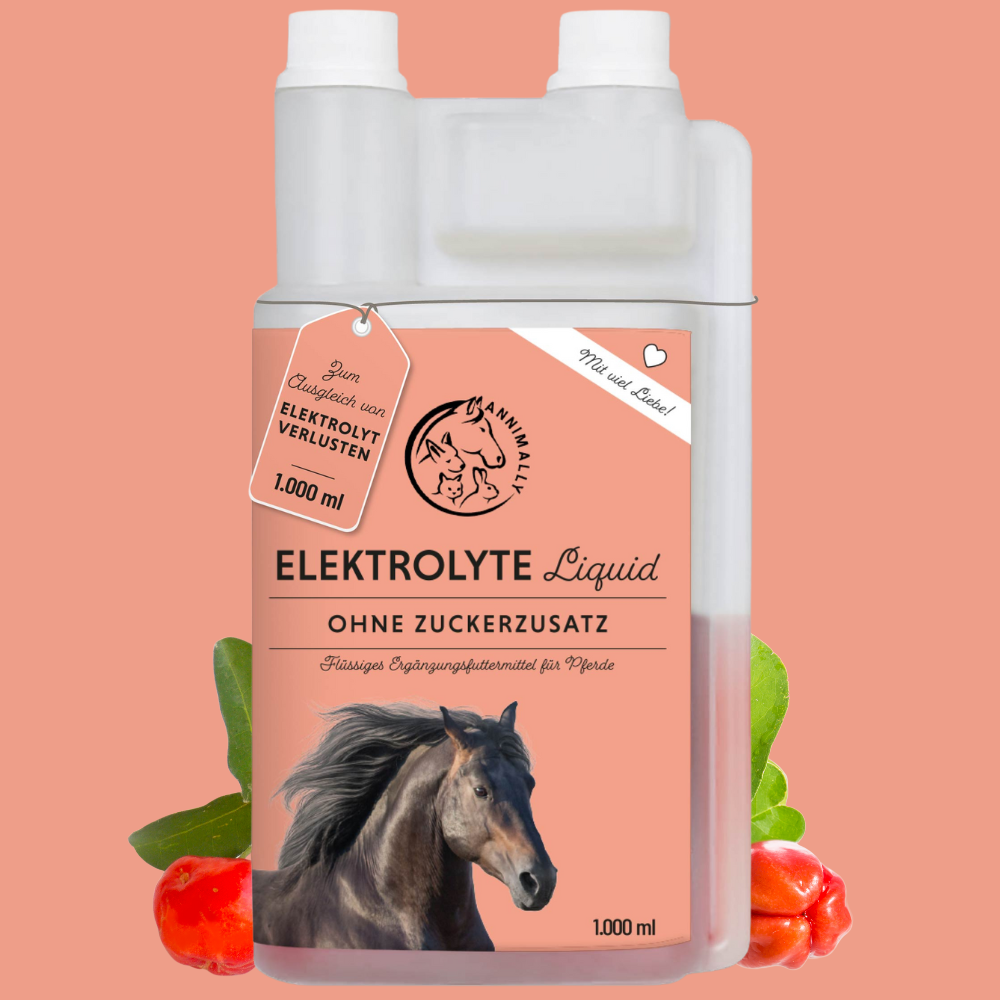
Especially during hard work, athletic exertion, or illness, a targeted electrolyte administration is recommended. Products with a balanced composition of sodium, chloride, potassium, magnesium, and sometimes also calcium help to compensate for losses and stabilize the acid-base balance.
It is important to ensure:
-
Good bioavailability
-
No unnecessary additives
-
Sufficient water access
-
Adjustment to the individual horse
Many riders simply add electrolytes to the feed, and on particularly hot days even directly into the drinking water – but only if you are sure that your horse will drink enough then.
The connection with the acid-base balance
A stable acid-base balance is the foundation for health and performance. Sodium contributes to the supply of bases and counteracts an acidification effect in the body.
Especially horses with a monotonous diet, too much grain, or inferior roughage often have an imbalance here. Stress, medication administration, or certain illnesses can also upset the acid-base balance.
Sodium helps to keep the pH value in balance – which has a positive effect on digestion, metabolism, and even the immune system.
Practical tips
Here are a few tips on how you can keep a good eye on your horse's sodium balance in everyday life:
-
Provide a salt lick – preferably natural or with an analysis
-
Estimate sweat losses – depending on work, weather, and temperatures
-
Adjust individual feeding – depending on requirements and activity
-
Electrolytes after training – ideally in powder form with water or mash
-
Regular blood tests – in case of unclear symptoms or chronic deficiency
-
Keep water always freely available – especially when giving salt and electrolytes
Natural sources for sodium and co.
Besides ready-made products, there are also natural sources that you can consider in horse feeding:
-
Salt licks (Himalayan, sea salt, etc.)
-
Mineral-rich herbs
-
Hay from natural meadows
-
High-quality mineral feeds
-
Mash with electrolytes
Even though many products advertise as "natural" – always check the actual composition and quantities. What fits one horse can quickly lead to an imbalance in another.
Conclusion: Sodium – small, but indispensable
Whether in the stable, in the pasture, or during training: sodium is an often underestimated helper in the horse's body. It significantly influences your horse's acid-base balance, water balance, performance, and health.
Pay attention to needs-based feeding, observe sweat losses, and always provide enough water. Then you are making an important contribution to the health and vitality of your horse – day after day.
If you have questions about the composition of electrolytes, the selection of a suitable mineral feed, or the right amount of salt in the feed, please feel free to talk to your veterinarian or a horse nutrition expert. Your horse will thank you – with energy, joie de vivre, and a balanced organism.