
Selenium in horses: Important facts about proper care and optimal feeding
Selenium is an essential trace element that plays a crucial role in your horse's health. It supports the immune system, cell protection, muscle function, and energy metabolism. Proper selenium intake is therefore indispensable for preventing deficiency symptoms, muscle disorders, and a weakened immune system.
However, not all horses ingest enough selenium through their forage, as the selenium content of hay, grain, and other feedstuffs depends heavily on the specific region. The well-known north-south gradient in Europe means that the natural selenium supply is insufficient in some regions. Therefore, targeted selenium supplementation via mineral feed or dietary supplements may be necessary.
In this article, you will learn everything about proper dosage, selenium requirements, the utilization of selenium, and the relationship between selenium and vitamin E in horses.
Why is selenium so important for horses?
Selenium is one of the essential trace elements and performs a variety of vital functions in the horse. It plays a central role in energy metabolism and supports cell protection mechanisms through the formation of glutathione peroxidase, an enzyme that protects cells from oxidative stress.
The muscles, in particular, benefit from an adequate selenium supply, as the trace element selenium counteracts muscle problems, tension, and stiffness. Horses that are, for example, regularly active in competitive sports have an increased selenium requirement and should therefore have their selenium levels checked regularly. In addition, selenium helps strengthen the immune system by supporting immune defense and reducing susceptibility to infections.
Horses with an adequate selenium supply often show better performance, relaxed muscles, and higher resistance to infections. Since selenium is also involved in the regulation of thyroid metabolism, a deficiency can also have effects on the entire body.
Therefore, selenium intake in horses should be specifically optimized to avoid deficiency symptoms or health damage.
Selenium deficiency in horses: Symptoms, consequences, and treatment
A deficiency of selenium in horses can have serious health consequences. Since selenium is irreplaceable for immune defense, muscle metabolism, and cell protection, the following symptoms may indicate a selenium deficiency:
-
Muscle weakness, muscle tremors, and muscle stiffness
-
Poor performance, rapid fatigue, and general lethargy
-
Increased susceptibility to infections due to a weakened immune system
-
Delayed wound healing and increased susceptibility to inflammation
-
Skeletal and growth disorders in young horses
-
Fertility problems in breeding mares and stallions
-
White muscle disease in foals, a severe muscle disorder that is often fatal
Selenium deficiency in horses often arises from insufficient selenium levels in the forage. Studies have shown that horses in regions with low soil selenium levels are particularly at risk.
Hay and grain originating from these regions often contain too little selenium to meet a horse's daily requirement. Targeted supplementation of selenium through mineral feed or dietary supplements can help prevent deficiency symptoms.
Testing and diagnosis of selenium deficiency
A blood test provides information about the horse's selenium levels and indicates whether additional selenium intake is necessary.
Horse owners should have the selenium concentration in the blood tested regularly, especially for performance horses or animals showing signs of a deficiency. Dosage should always be determined in consultation with a veterinarian to ensure optimal supply and avoid overdosing.
How does a selenium deficiency occur in horses?
A selenium deficiency in horses can be promoted by several factors:
Regional differences
The selenium content in the soil varies greatly between different regions. In Central Europe, in particular, there is a clear north-south gradient, where northern regions are often lower in selenium than southern ones. As a result, the feedstuffs grown there, such as hay and grain, usually contain lower selenium levels.
Horse owners in selenium-poor regions should therefore pay special attention to selenium supply and, if necessary, provide targeted supplementation.
Feeding with selenium-poor feedstuffs
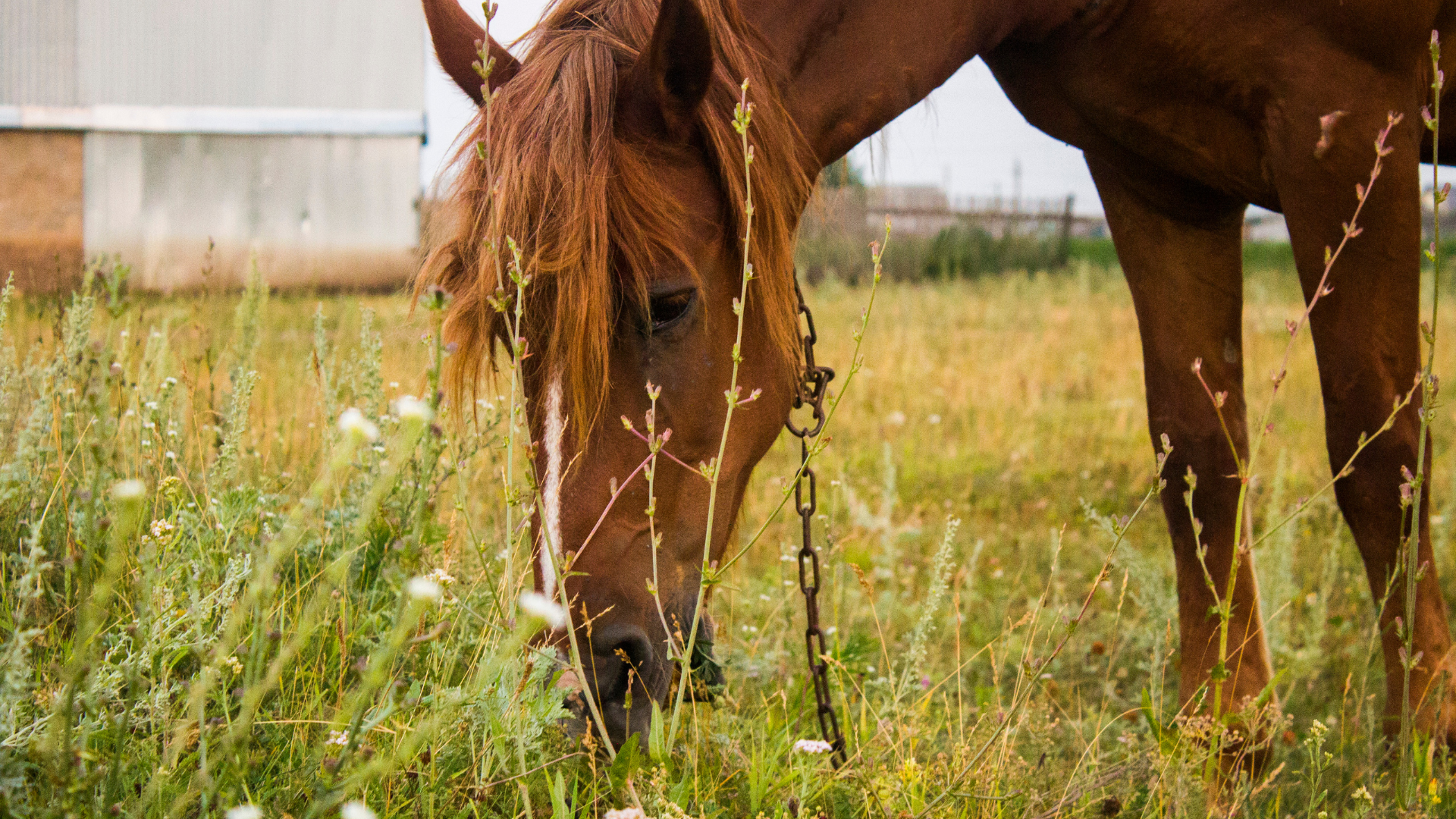
Horses fed exclusively or primarily with hay and grain often do not receive enough selenium. Hay from heavily used soil, in particular, can have low selenium levels.
Modern, highly processed feedstuffs also often lose a portion of their natural selenium content during processing. Regular analysis of the forage can help in making a targeted supplement.
Increased demand for selenium due to training or stress
Performance horses or horses that are regularly under heavy physical demand have an increased selenium requirement. Intensive training increases oxidative stress in the muscle cells, requiring more selenium for cell protection.
Stress—whether from transport, stable changes, or other environmental factors—can also increase the selenium requirement as the immune system is more heavily burdened. Without adjusted selenium intake, deficiency symptoms can quickly arise here.
Interactions with other trace elements
The utilization of selenium in the body is influenced by other trace elements. An unbalanced supply of zinc, manganese, or lysine can impair the absorption and utilization of selenium in the organism.
Zinc, in particular, plays an important role here as it competes with selenium for absorption in the gut. Horse owners should therefore ensure a balanced supply of all essential trace elements to ensure optimal utilization.
Selenium supply: The right feeding for your horse
To optimally meet your horse's selenium needs, there are various strategies. The most important measure is targeted feeding with selenium-containing nutrients to prevent deficiency symptoms.
Here are some ways you can optimally provide your horse with selenium:
-
Analyze your horse's forage: An analysis of the hay provides information about the natural selenium content and helps determine the need for targeted supplementation.
-
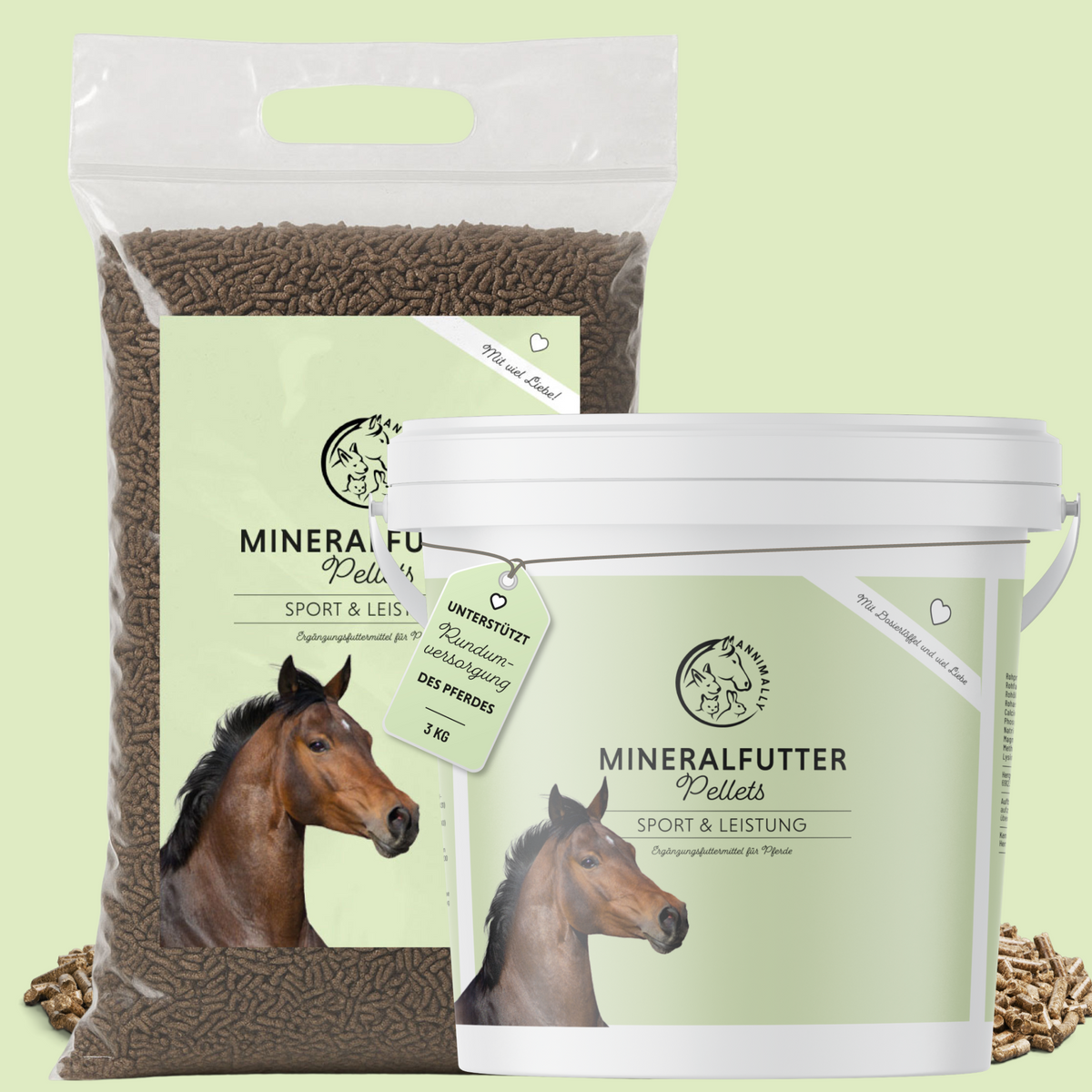
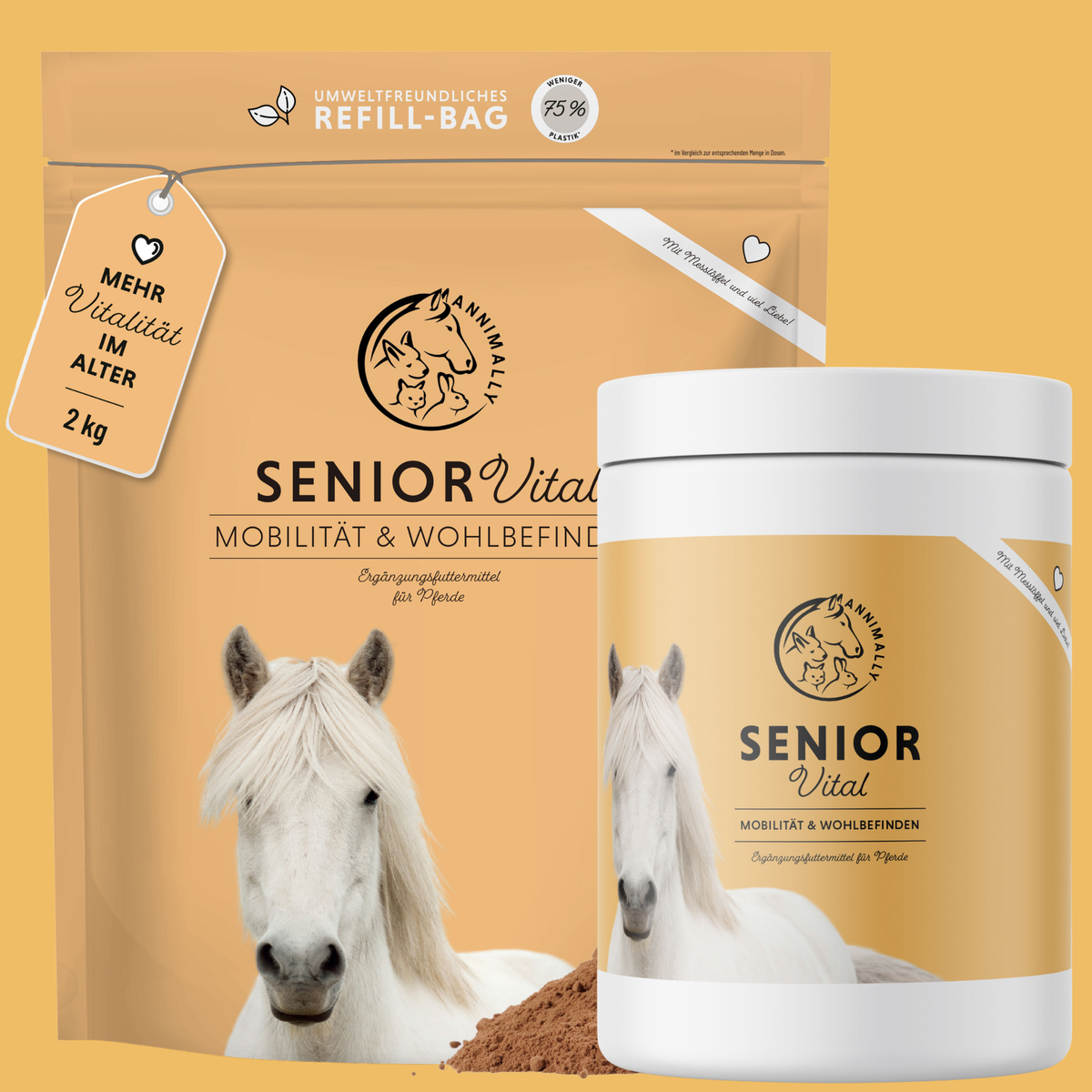
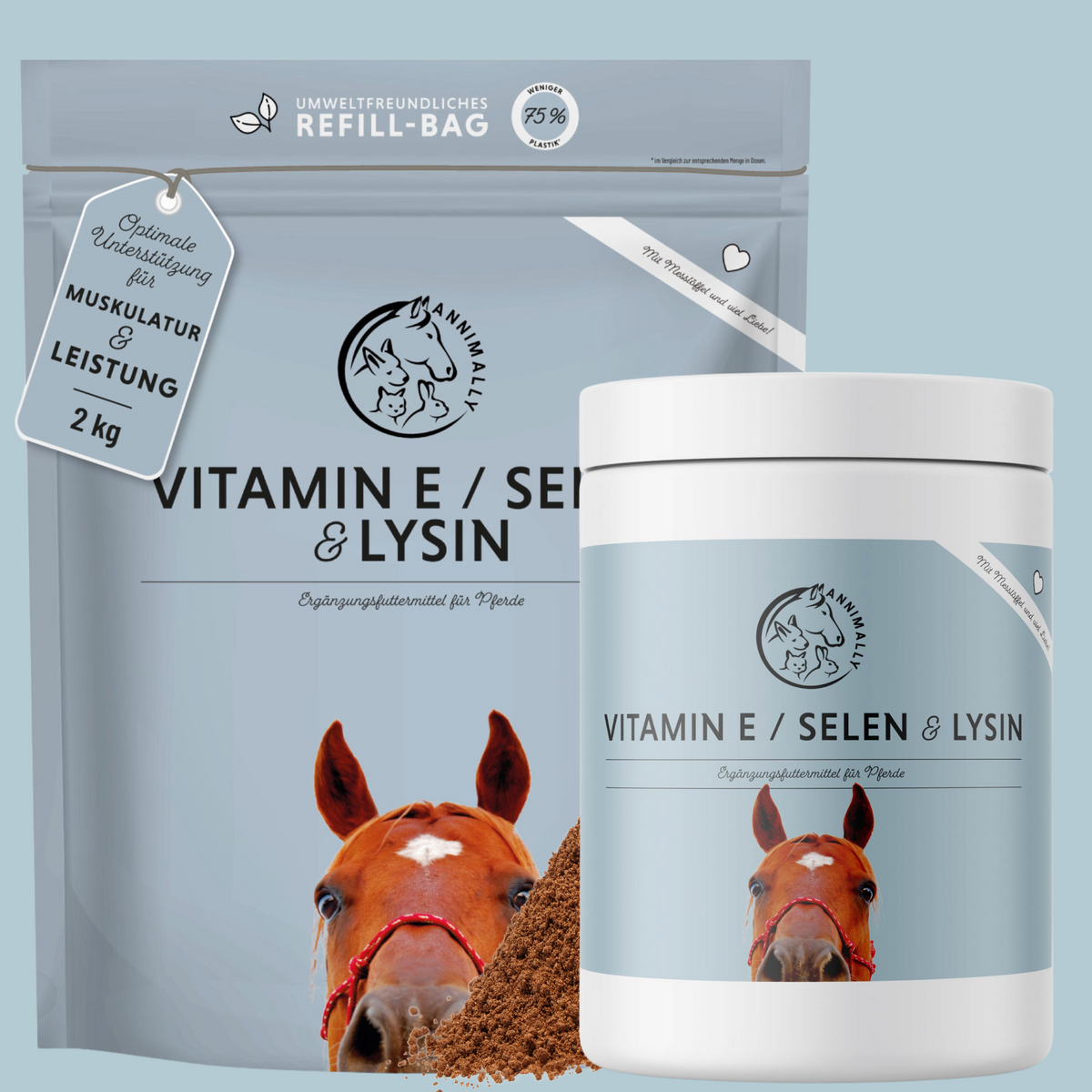
Use mineral feed and dietary supplements: High-quality feed often contains sodium selenite or selenium yeast, which ensure better utilization. Look for a sensible combination with other trace elements such as zinc, manganese, and lysine. Feel free to take a look at our mineral feeds in the online shop!
-
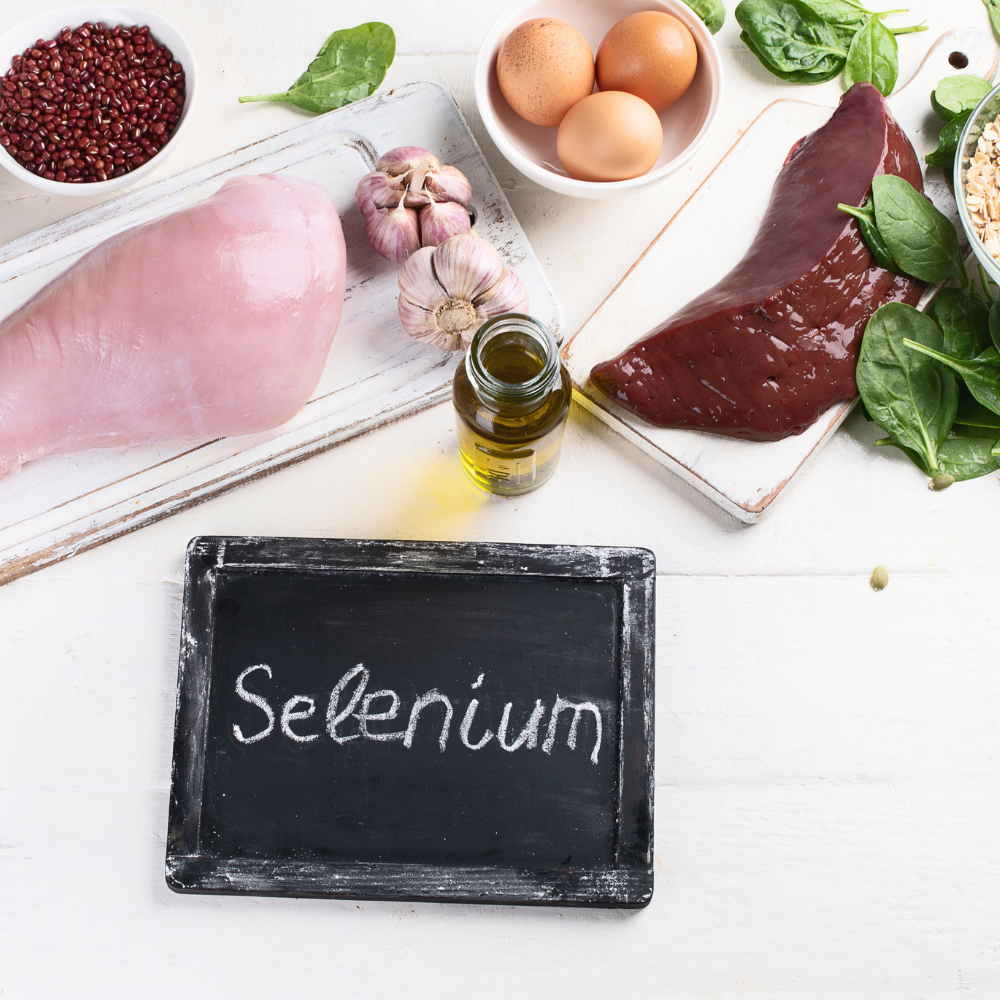
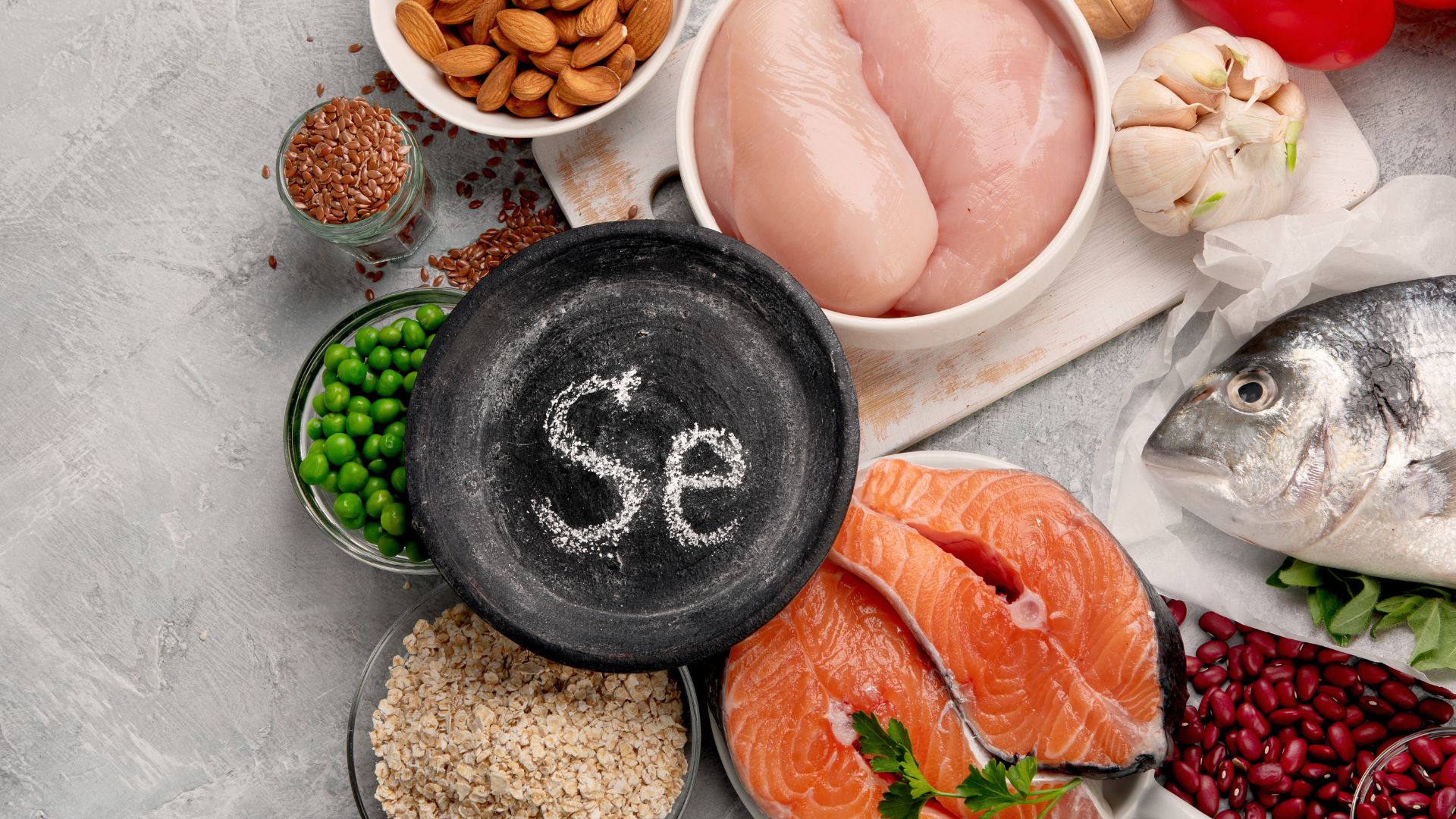
Incorporate natural selenium sources: Linseed, grain, and certain herbs can naturally support selenium intake.
-
Regular blood tests: To keep an eye on your horse's selenium levels, you should have the selenium balance checked at regular intervals using blood tests.
Avoid selenium excess: Proper dosage is crucial
Too much selenium can be just as problematic as a deficiency. Excessive selenium intake can be toxic and cause serious health damage.
Typical signs of selenium overdose include:
-
Lameness and hoof changes
-
Hair loss and skin problems
-
Damage to the skeleton and organs
-
Disorders of the immune system and digestion
Therefore, it is important to follow the dosage exactly according to feeding recommendations.
Horses already being supplied with selenium-containing feed should not receive large amounts of additional selenium to avoid an excess.
Conclusion: The optimal selenium supply for your horse
Selenium is an essential trace element for horses and plays a decisive role in muscle function, the immune system, cell protection, and energy metabolism.
Requirement-oriented feeding and targeted balancing through mineral feed or dietary supplements are necessary to avoid selenium deficiency or excess. Regular examinations of the selenium concentration in the blood help you ensure the best possible supply for your horse.
Pay attention to a good composition of feed, the combination with vitamin E, zinc, and other trace elements, as well as an appropriate dosage.