
Sage for horses: Natural support for digestion and respiratory system
Sage (Salvia officinalis) is a medicinal plant that has been valued for centuries for its beneficial properties. In horse feeding, sage can offer valuable support for your horse's digestion, respiratory tract, and general well-being. But what exactly is the effect of sage? How can you incorporate sage leaves into your horse's diet? And what should you keep in mind regarding dosage?
In this detailed article, you will learn everything about the benefits of sage for horses, its ingredients, and its application.
What is sage?
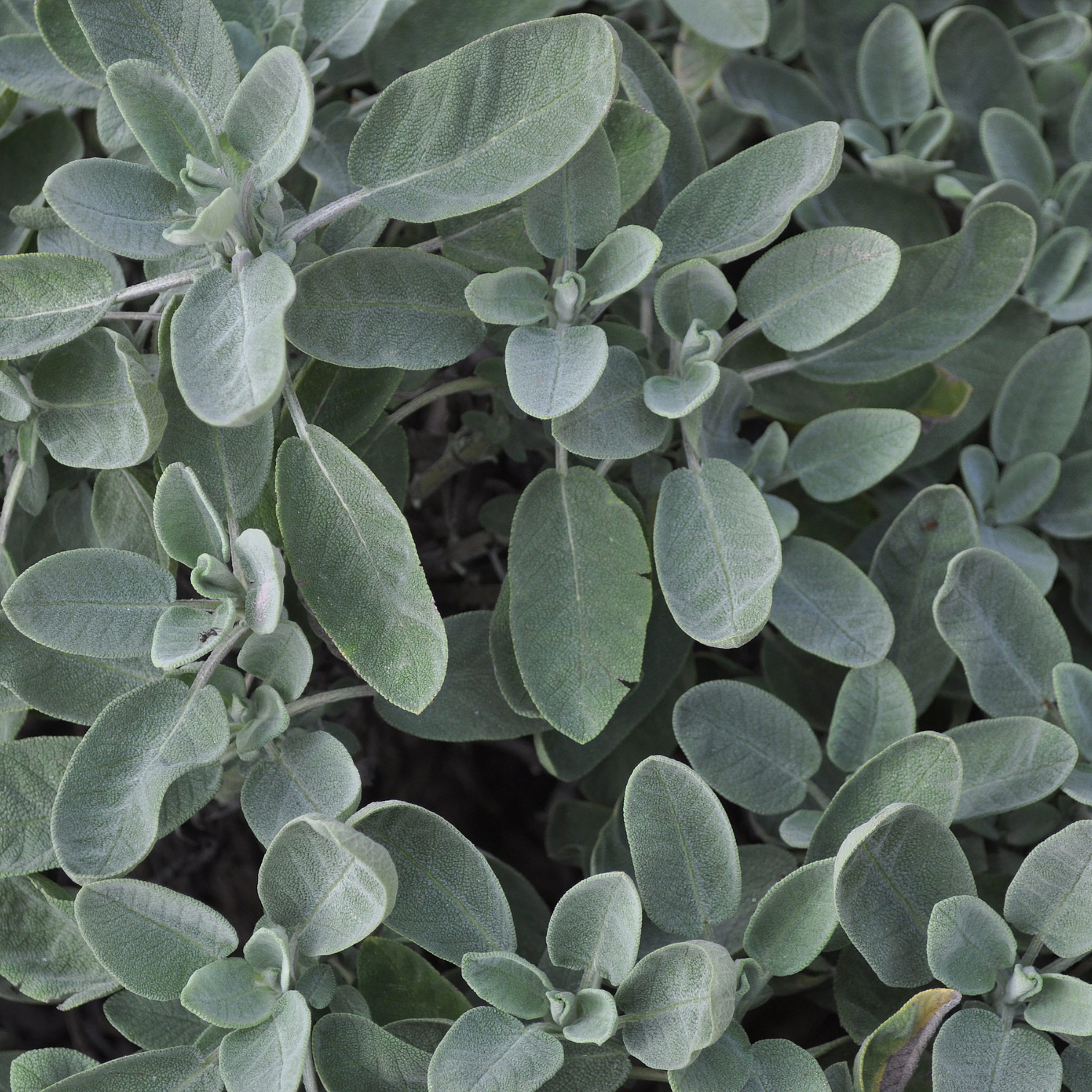
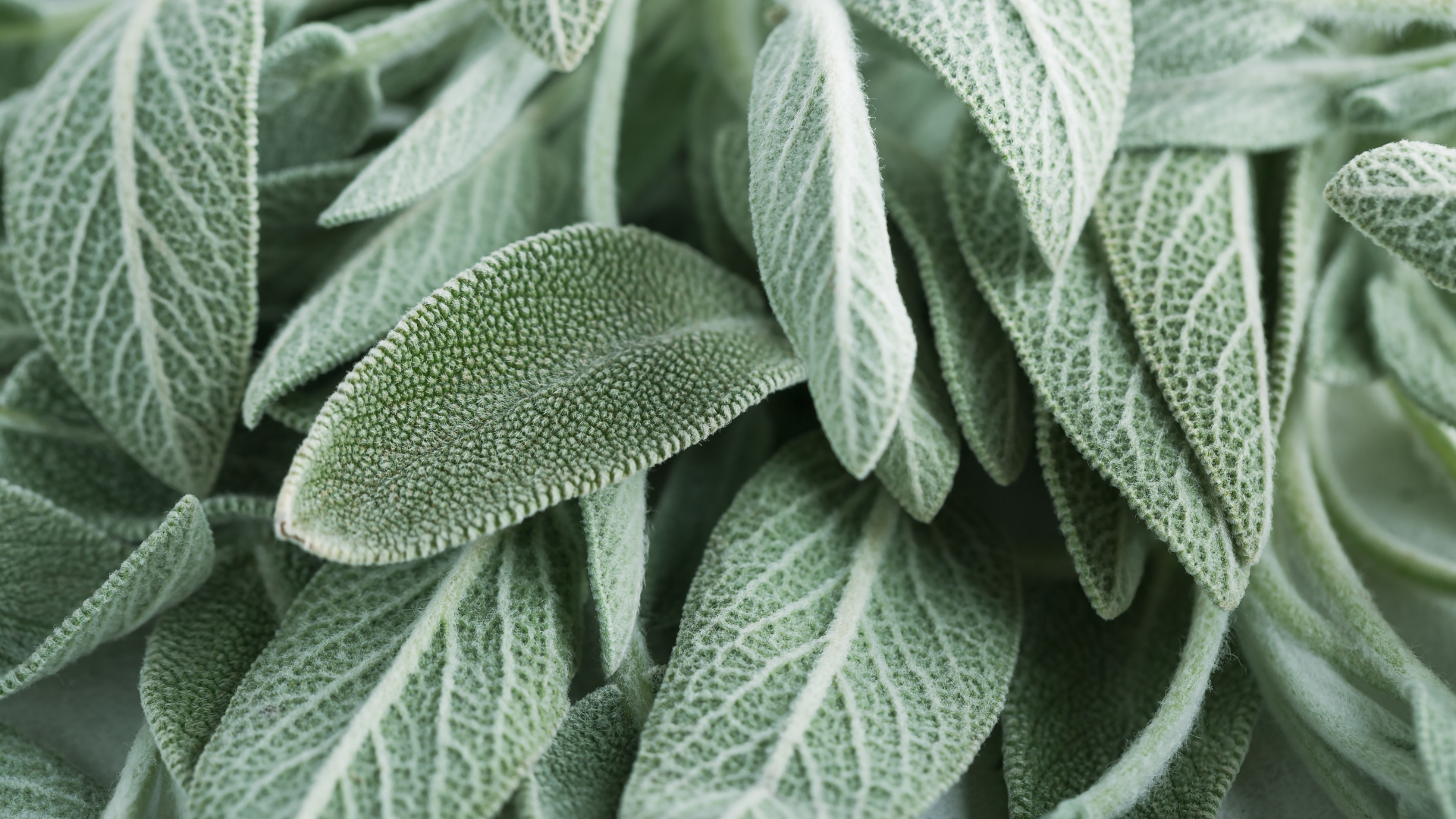
Sage belongs to the mint family (Lamiaceae) and is primarily found in the Mediterranean region. The plant is known for its gray-green, velvety leaves and its intense fragrance. Sage contains a variety of valuable ingredients that make it a popular medicinal plant – for both humans and horses.
Dried sage leaves, in particular, have proven successful in horse feeding. They can be used as a single feed ingredient in cut form or in herbal mixtures to help horses in a natural way.
Which ingredients make sage so valuable?
The positive effects of sage are based on a variety of bioactive ingredients:
1. Essential oils: The plant contains a high concentration of essential oils, including thujone, cineole, and camphor. These oils have antibacterial, antiviral, and anti-inflammatory properties.
2. Bitter compounds: Bitter compounds are important for healthy digestion. They stimulate the production of gastric juices, promote appetite, and support the digestive tract.
3. Tannins: Tannins have an astringent effect that can positively influence irritated mucous membranes. They can be particularly helpful for inflammation in the mouth, throat, or stomach.
4. Flavonoids and antioxidants: These secondary plant compounds protect the body's cells from oxidative stress and contribute to the horse's general health.
How can sage support your horse?
Sage is versatile and can help your horse in various areas:
1. Digestive support
A healthy gastrointestinal tract is crucial for your horse's well-being. Sage can naturally support digestion and help with various ailments:
Promotes gastric juice production: The bitter compounds in sage stimulate digestive juices and improve feed conversion. This can be especially helpful for horses with poor feed intake or loss of appetite.
Relieves bloating: The essential oils in sage can soothe the intestines and reduce excess gas formation. This is particularly advantageous for horses with sensitive digestion or bloating.
Supports mild stomach upset: Sage can help relieve mild cramps or discomfort in the stomach.
Helps with diarrhea: Thanks to the astringent effect of the tannins, sage can help regulate diarrhea and soothe irritated intestinal walls.
2. Respiratory support
Sage has a powerful effect on the respiratory tract and can help horses with coughing or irritation of the mucous membranes. Especially during the cold months or allergy season, sage can be a valuable natural support.
-
Relieves cough and mucus formation: The essential oils in the sage leaves have an expectorant effect and can help loosen stubborn mucus in the respiratory tract.
-
Soothes irritated mucous membranes: Horses suffering from respiratory diseases or allergies benefit from the anti-inflammatory effect of sage.
-
Combats bacteria and viruses: The antibacterial properties of sage help to prevent or alleviate respiratory infections.
3. Effect on the mouth and mucous membranes
Your horse's oral health can also benefit from sage. The plant has an antibacterial and anti-inflammatory effect that can be particularly helpful for mouth issues:
-
Helps with gum inflammation: The tannins in sage can soothe irritated gums.
-
Reduces bad breath: The antibacterial effect ensures a healthy oral environment and can reduce bad breath.
-
Supports the healing of minor injuries: Small wounds or inflammation in the mouth can heal faster due to the astringent effect.
How can you feed sage to your horse?
There are several ways to integrate sage into horse feeding:
Cut sage leaves: You can simply mix dried and cut sage leaves into the feed. Make sure to choose high-quality products without additives.
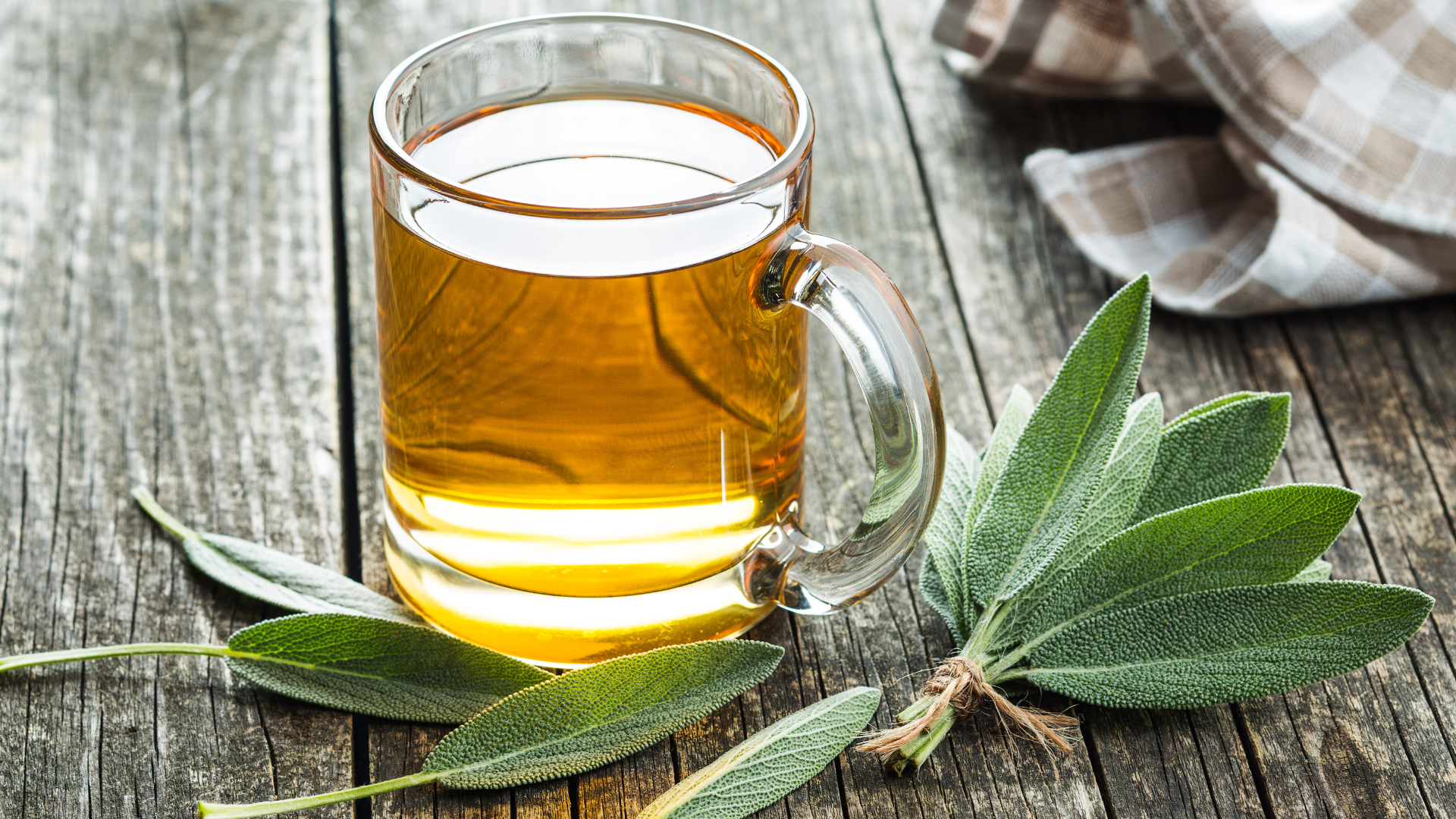
Sage tea: An infusion of dried sage leaves can be added to drinking water or poured over feed. Let the tea cool down well before offering it to your horse.
Herbal mixtures: Sage can be combined with other herbs, e.g., thyme, fennel, or chamomile, to achieve an even better effect.
Correct dosage and application instructions for sage for horses
To ensure your horse benefits from the positive properties of sage, you should pay attention to the correct dosage:
-
Recommended amount: About 20–30 g of cut sage leaves per day for an adult horse.
-
Application as a course: Sage should not be fed continuously. A course of 2–3 weeks is optimal. Afterwards, you should take a break.
-
Take breaks: Continuous feeding can lead to unwanted side effects.
When should you not feed sage?
Although sage has many benefits, there are some situations where you should be cautious:
⚠️ Not for pregnant mares – In high doses, sage can stimulate contractions.
⚠️ Not for horses with liver problems – The essential oils can strain the liver.
⚠️ Not in excessive quantities – Overdosing can lead to irritation of the gastrointestinal tract.
Conclusion: The power of nature for your horse
Sage is a versatile medicinal plant that can be used effectively in horse feeding. Whether for the digestion, the respiratory tract, or the mucous membranes – sage can support your horse in a natural way.
Pay attention to high-quality products, adhere to the correct dosage, and use sage specifically as a course. This way, you can naturally promote your horse's health!