


Chamomile for your horse: Gentle support for gastrointestinal complaints and more
Chamomile – a delicate plant with a major impact. Long considered a trusted medicinal herb for humans, it also deserves a firm place in horse care.
If you want to naturally support your horse's health and well-being, chamomile is a true secret weapon. Especially for gastrointestinal complaints, respiratory issues, or nervousness, true chamomile – Matricaria recutita – can provide gentle relief.
In this article, you will learn everything about the effects, use, and feeding of chamomile for horses. Whether North or South, Icelandic or Warmblood – this plant brings natural balance to the stable.
What is chamomile and why is it so special?
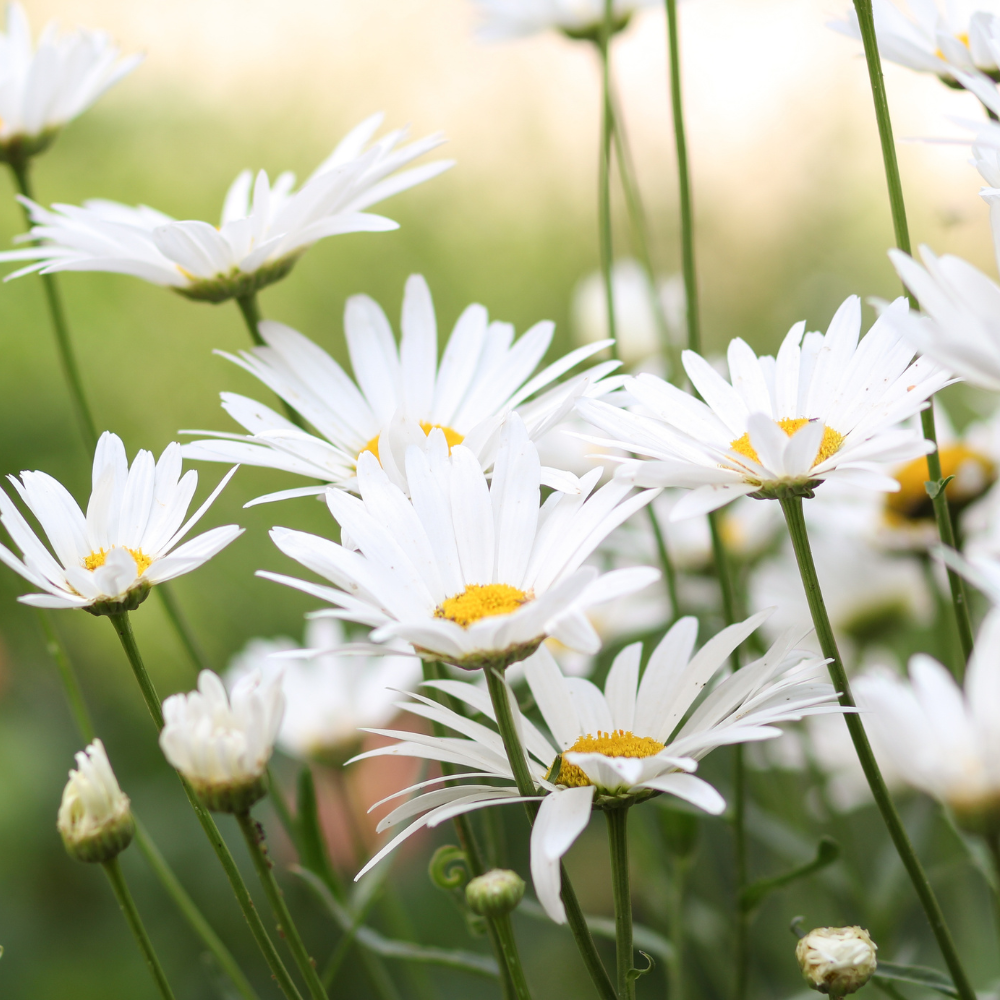
True chamomile (Matricaria recutita) is one of the most well-known medicinal plants in Europe. Originally native to Southern and Eastern Europe, it now grows throughout Europe, Asia, North Africa, and even South America. You can find it in grain fields, on rubble heaps, at the edge of vineyards, or on fallow land – always where the soil is nutrient-rich. It is easy to identify due to its bright white flowers and pleasant scent.
Chamomile flowers contain a wealth of valuable ingredients, including:
-
Essential oils
-
Flavonoids
-
Coumarins
-
Mucilage
These substances make chamomile a true all-rounder – not just for humans, but for horses as well.
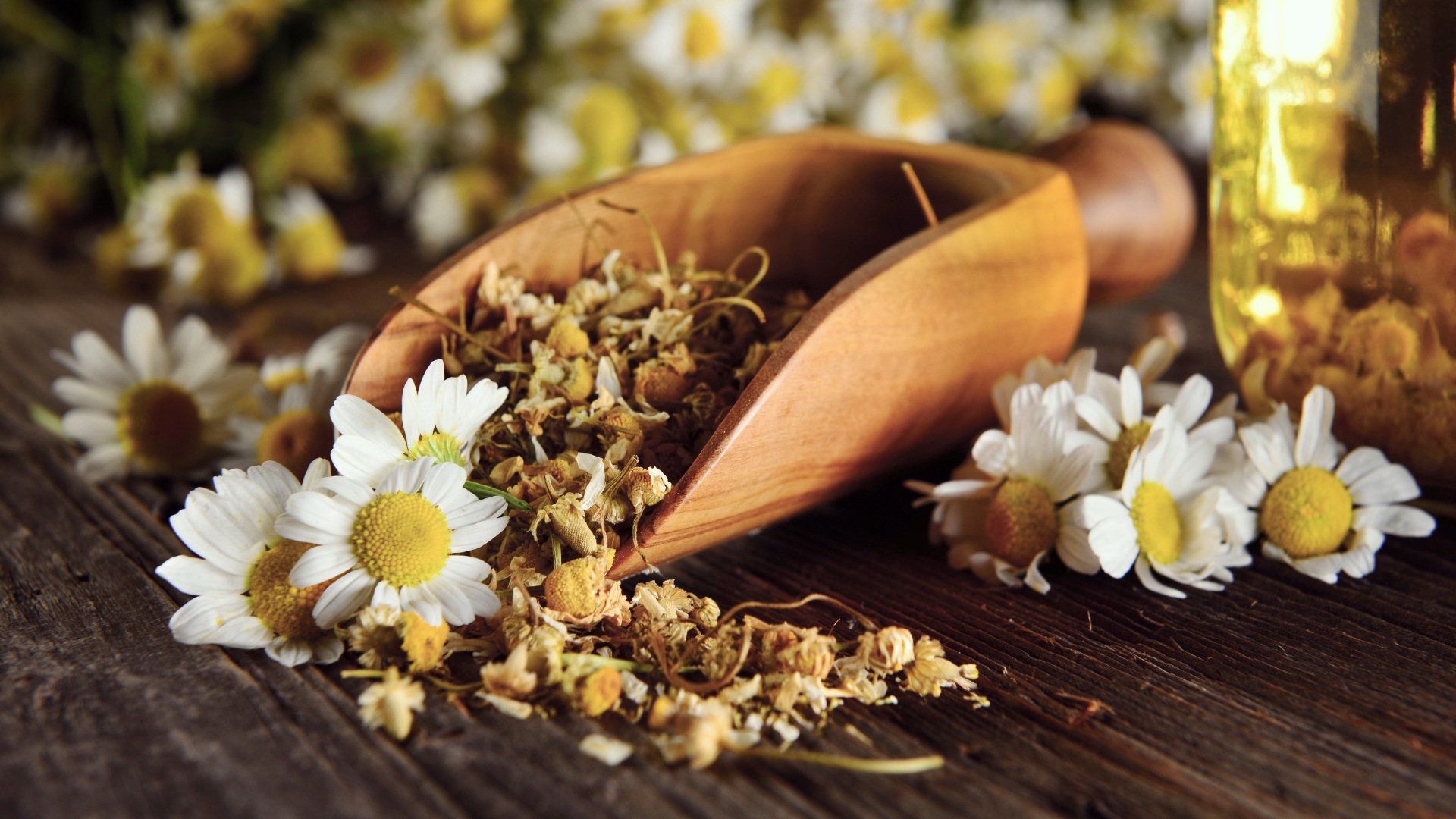
True chamomile for horses: Effects on the stomach and gut
Gastrointestinal diseases are unfortunately not uncommon in horses. Colic, flatulence, gastric ulcers, and other ailments of the gastrointestinal tract are among the most frequent problems in the stable. This is where chamomile can help in a natural way.
How do chamomile flowers act in the gastrointestinal tract?
The essential oils and mucilage contained within have:
-
Anti-inflammatory properties
-
Antispasmodic properties
-
Soothing effects
-
Carminative properties
This provides gentle support for your horse's digestion. Chamomile tea or dried chamomile flowers can be used as a natural supplement to standard horse feed. This can be especially helpful for sensitive horses or after a change in feed.
Use and dosage: How much chamomile is good for a horse?
The feeding recommendation depends on the form in which you provide the chamomile:
1. Dried chamomile flowers
You can mix the flowers into the basic feed or concentrate. For a large horse, about 10–30 g per day is a good amount. For small horses and ponies, use correspondingly less.
2. Chamomile tea
A chamomile infusion can be added to the feed as tea or offered for drinking. This is particularly effective for acute gastrointestinal complaints or for calming.
3. Chamomile oil
Some products contain chamomile extracts or oils. These are well-suited for external use on skin problems, but also internally to support the stomach and gut.
Always pay attention to the quality of chamomile products. Chamomile from controlled cultivation is best – free of pesticides and pollutants.
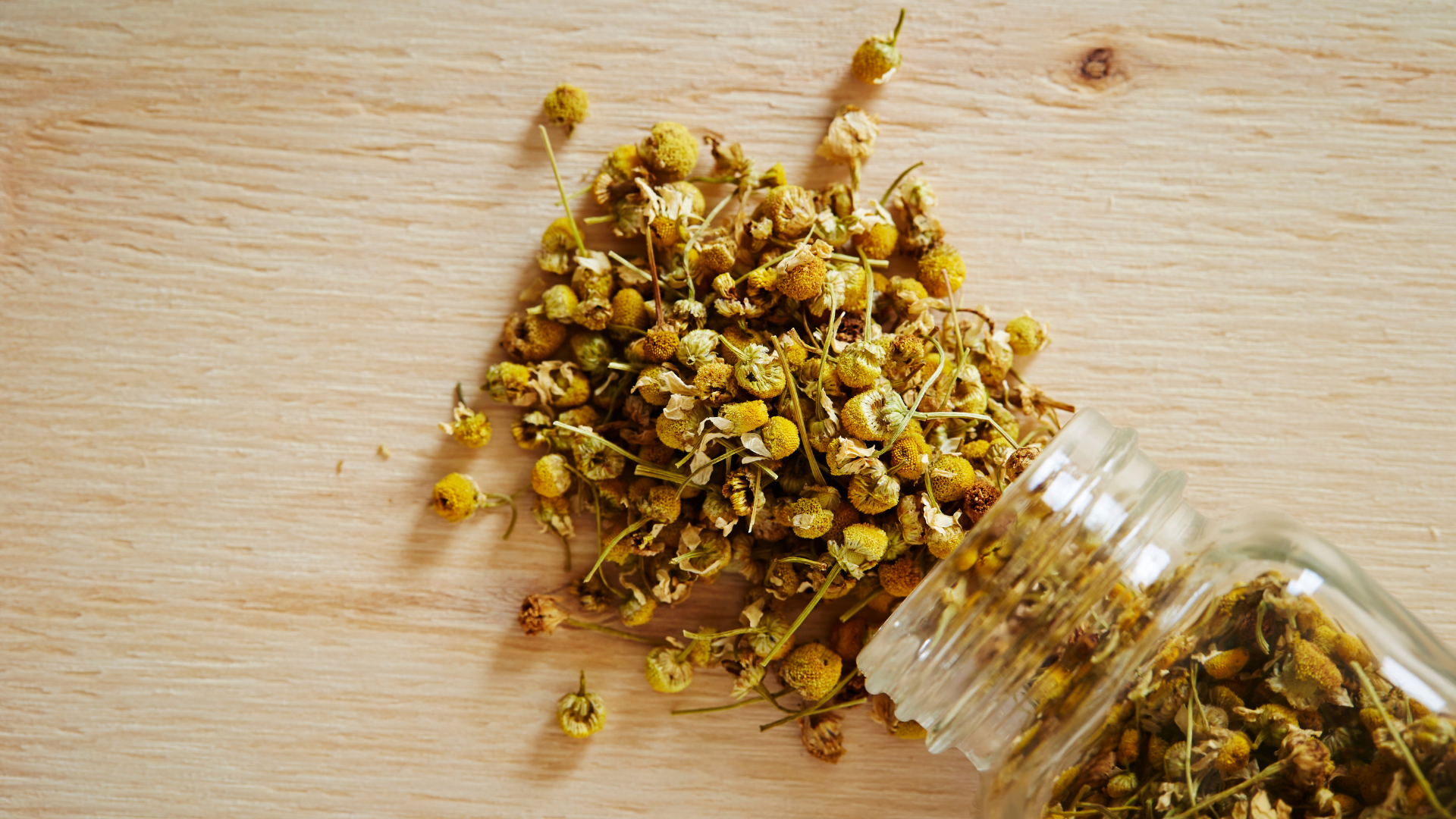
More than just the stomach: Further areas of application for chamomile flowers
Chamomile does not only help with digestive problems; it also provides support in other areas:
Respiratory tract
The essential oils in chamomile can help with congested airways. Inhalations with chamomile are particularly soothing.
Nerves
Chamomile has a calming effect – also on horses. In times of stress, stable changes, or during transport, chamomile can help make your horse more relaxed.
Skin
Applied externally, chamomile helps with minor inflammation, skin irritation, or even problems around the eye. A lukewarm chamomile decoction can be used for cleaning.
Chamomile in herbal blends: A good supplement
Many herbal blends for horses contain chamomile along with other plants such as Iceland moss, fennel, anise, or peppermint. These combinations often target the support of the gastrointestinal tract, the respiratory system, or the nervous system.
When purchasing such blends, you should pay attention to a careful composition – and ensure that no unwanted additives are included.
Chamomile and mineral feed: Does that make sense?
If your horse receives high-quality mineral feed, the question arises whether additional herbs are necessary. The answer is: Yes – at least temporarily. While mineral feed specifically covers the nutritional requirements, herbs like chamomile provide a functional added value for specific areas like digestion or the nerves.
Especially during phases of increased stress or when your horse is struggling with the gastrointestinal system, chamomile can be a natural supplement.
Tips for feeding and combinations
-
Do not give permanently: You should provide herbs like chamomile as a course of treatment over 3–6 weeks.
-
Combine with other herbs: Especially for stomach problems, blends with Iceland moss, lemon balm, or licorice root are suitable.
-
Not for allergies: Some horses react sensitively to Asteraceae plants – in this case, chamomile should be tested cautiously.
-
Do not overdose: Too much chamomile can lead to a loss of appetite in horses. The right amount is crucial.
Chamomile and the seasons: When is the best time?
In principle, chamomile can be fed all year round. Its use is particularly sensible:
-
In the spring, when many horses react sensitively to fresh grass.
-
In the autumn, when the transition to hay and concentrate feed begins again.
-
During weather changes, which often lead to colic or flatulence.
If you live in regions in the South or North of Germany, the regional climate of the location can also affect your horse's digestion. Chamomile is a good herbal balance here.
Conclusion: Chamomile – a small plant with a big impact for your horse
Chamomile is more than just a pretty flower. It is a trusted medicinal plant with strong properties that can help your horse with a variety of ailments – especially in the stomach and gut, but also with skin problems, stress, and respiratory complaints.
Whether as chamomile tea, dried chamomile flowers, or in combination with other herbs – the right feeding brings noticeable benefits for your horse's health. Pay attention to quality, dosage, and the needs of your animal – then nothing stands in the way of using this wonderful plant.
If you want to naturally promote the well-being of your horse, chamomile is a versatile, gentle helper. Give it a try – your horse will thank you!