Life stages of a dog – a moving journey from puppy to senior
A dog's life is full of adventures, both big and small, intense bonds, challenges, and wonderful moments. As a dog owner, it's important to understand the different life stages dogs go through – from birth, through puppyhood and the turbulent adolescence, to their loving senior years. Each stage brings its own needs, changes in behavior, and different requirements for health, nutrition, care, and training.
This article provides a comprehensive overview of your four-legged friend's developmental stages – clearly explained, scientifically sound, and supplemented with many practical tips. Understanding these life phases is essential for providing your dog with the best possible support and guidance at every stage, promoting their well-being.
The significance of life stages in a dog's life
The different life phases reflect not only physical changes, but also significant steps in personality, emotional maturity, inner stability, and the bond with their caregiver. Every dog – regardless of size, breed, or mix – develops at its own pace. However, this development proceeds through certain stages that are found in almost all dogs.
Depending on the breed, the timeline varies slightly: Small dogs mature faster and reach their senior years early, while large and very large breeds often have a significantly longer journey from puppy to adult. Nevertheless, all dogs go through the same fundamental phases – from their first breath to the last chapter of their lives.
Birth and the first days of a puppy's life – a tender start to life
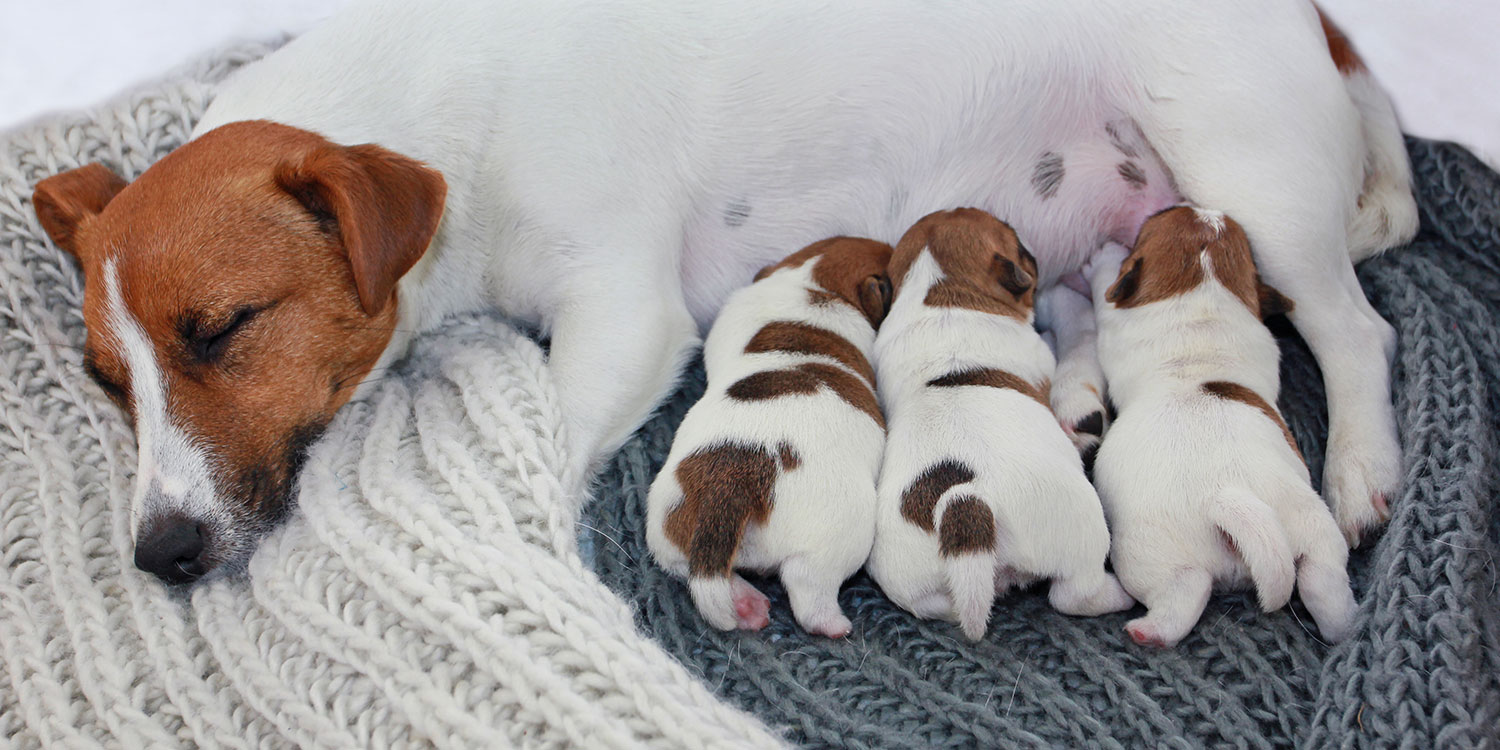
The beginning of a dog's life is a particularly vulnerable moment. Shortly after birth, puppies are blind, deaf, and completely dependent on their mother. They experience the world not through their eyes, but through warmth, smell, and touch.
The first few days of life revolve around the following basics:
• Bond with mother
• Sucking reflex and nutrition
• Temperature regulation
• Rest and sleep
• initial stimuli such as light, contact and smell
The mother dog plays a crucial role during this time – she provides warmth, licks, cares for, and offers security. The breeder also has an influence: a calm environment, a clean whelping box, minimal stress, and gentle first impressions.
The puppies spend most of their time sleeping. Nevertheless, fundamental patterns for later personality, health, and stress resilience are already emerging.
Transition phase – the world opens up (approx. 2nd–3rd week of life)
This phase is only a fraction of a dog's entire life, but one of the most important steps in its development. The puppies begin:
• to open your eyes
• to perceive sounds
• to take the first steps
• To make contact with siblings
These early changes are fascinating: completely helpless babies become curious little dogs who begin to explore the world around them.
Here too, the following applies: a calm environment, loving care and a mother who is not stressed form the basis for a healthy emotional foundation.
Socialization phase – the formative phase of your dog (approx. 3rd–12th week)
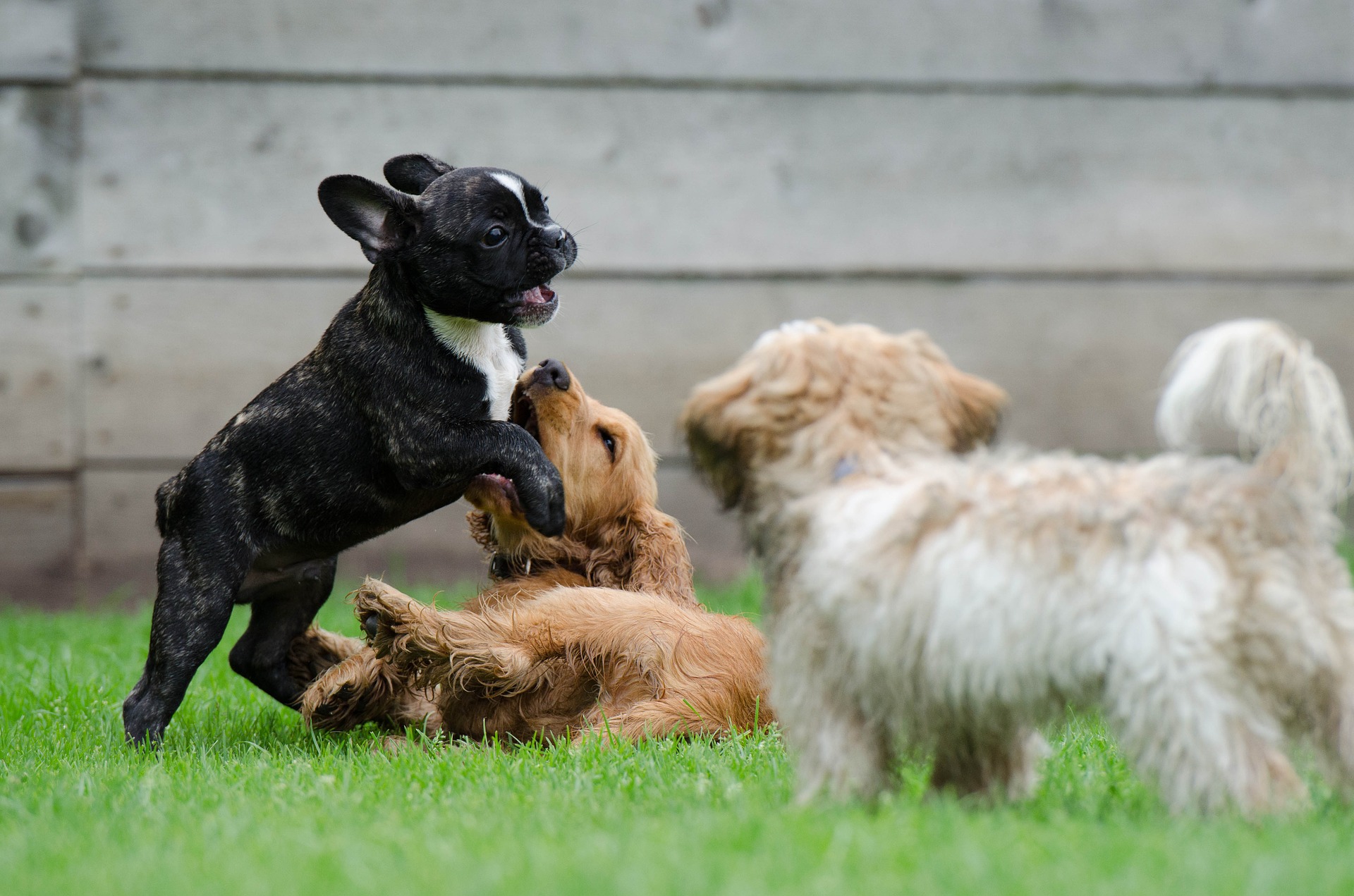
This phase is crucial for behavior, courage, stress management, and the ability to bond. Many dog owners underestimate how formative these weeks are – at no other time does a dog absorb impressions from its environment so intensely and openly.
Typical development:
• Play behavior develops
• Contact with people becomes more intensive
• A bond with the future owner can develop
• Sounds, surfaces, other animals, light stimuli – everything is processed.
• first boundaries set by the mother
• Learning social rules
This is important for you:
Puppies need experiences now, but without being overwhelmed. Even short encounters with their environment are valuable. Gentle training, short outings, and petting – all of this shapes their view of the world.
Nutrition also plays a major role: high-quality recipes, preferably with Omega 3 fatty acids, support the development of the brain, nerves, eyes and immune system.
All important Food supplements and grooming products for puppies You can also find it in our online shop!
Puppyhood to juvenile phase (approx. 3rd–6th month) – the time of discovery
Now begins the phase that many dog owners particularly enjoy – and sometimes find challenging. Your puppy:
• becomes more active
• experiences growth spurts
• needs clear structures
• learns quickly
• tests boundaries
• forms initial stable bonds
The juvenile phase is characterized by rapid physical development. Bones, joints, muscles – everything grows rapidly. Depending on the breed, this can last for varying lengths of time.
Important in this phase of life:
• balanced diet (e.g. dry food appropriate to size)
• Controlled movement without overload
• First commands through loving upbringing
• Regular veterinary check-ups
• social contact with other dogs
This phase lays the foundation for a healthy life. Every stimulus, every experience shapes your dog's personality.
Puberty – when chaos becomes everyday life (approx. 6–18 months)
Puberty is a challenge for many dog owners. Your four-legged friend tests boundaries, sometimes has trouble hearing, reacts sensitively or hyperactively – and is incredibly lovable at the same time. Hormonal changes affect behavior, courage, impulse control, and stress management.
What happens during this development phase?
• Sexual maturity begins
• Male dogs exhibit stronger territorial behavior
• Female dogs experience their first heat or pregnancy
• Uncertainties are increasing
• Learning behavior fluctuates
The good news is that this phase will pass. It's important to stay calm, remain consistent, and make your dog feel secure.
Tips for puberty:
• short, positive training sessions
• patient repetitions
• Clear rules in everyday life
• calm environment in case of stress
• physical and mental exertion
Right now, the bond between you and your dog is strengthening. You are becoming a team that can rely on each other.
Puppy – a dog on the way to maturity (approx. 1–2 years, longer depending on the breed)
The dog is becoming increasingly stable, exhibiting more consistent behavior, gaining self-confidence, and understanding social rules. The developmental phase from puppy to adult dog is characterized by:
• physical maturity
• growing endurance
• more rest periods
• clearer communication signals
• Responsibility within the pack / family
Depending on the breed, it can take up to three years for a dog to reach full maturity. Many large breeds develop significantly more slowly.
Important at this stage:
• suitable nutrition (adult food)
• regular exercise
• Continuation of dog training
• fixed routines
• a harmonious social environment
The dog's life stabilizes – a curious puppy becomes a loyal companion.
Adult – the adult dog (approx. 2–7 years old)
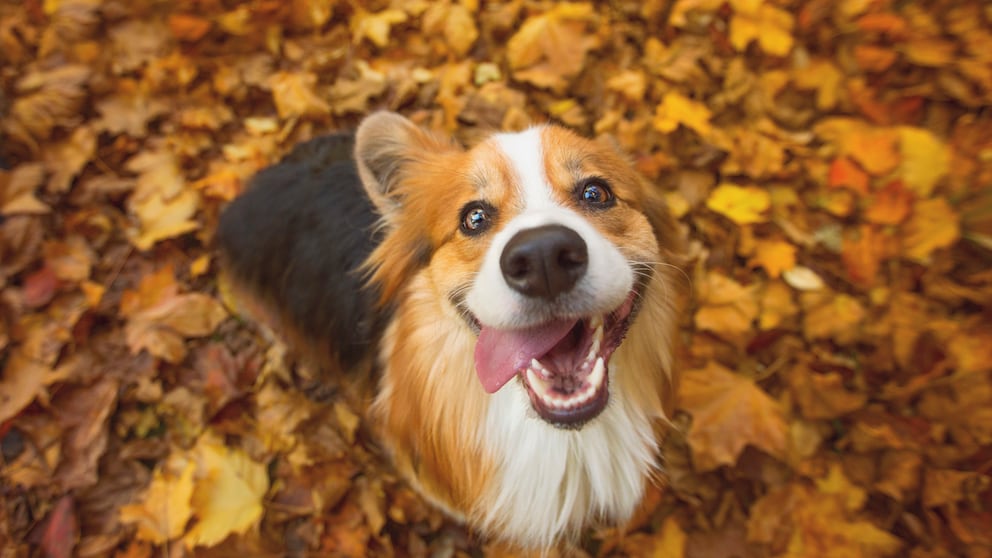
Your dog is now in his most productive phase. Physically and mentally, he is at his peak: strong, quick to learn, socially competent, and full of energy.
The following are important at this stage:
• regular veterinary visits
• High-quality, species-appropriate nutrition
• Support with nutrients (e.g. Omega 3 fatty acids for coat, joints and well-being)
• mental activity
• Clear rules without pressure
• Shared activities: walks, training, rest periods
For many dog owners, this is the most harmonious phase – human and dog know each other, understand each other and continue to grow together.
Senior years – the gentle, loving time (from about 7 years, depending on the breed)
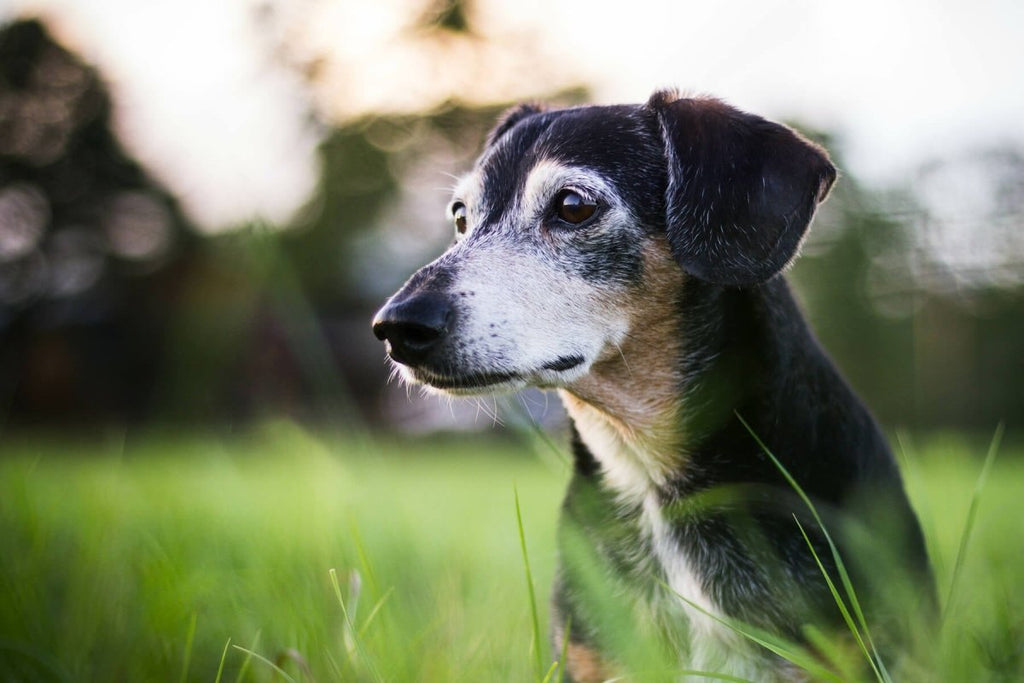
Dogs also age, and the transition to senior years is gradual. Large breeds reach this phase earlier, while small dogs often don't until they are 10-12 years old.
Typical changes:
• increased need for rest
• slower movements
• declining vision and hearing
• possible muscle weakness
• altered social behavior
• higher care needs
Now, more than ever, love, patience, and attention are needed. Walks can be more leisurely, the surroundings should remain uncluttered, and the diet can be adapted to the needs of seniors.
Some seniors benefit from:
• adapted feed
• Joint support (e.g. Omega 3 fatty acids)
• mental stimulation
• regular veterinary check-ups
This phase of life is often incredibly touching – a dog who has been loyal to you all its life now enjoys every quiet minute with you.
Influence of race, genetics and environment
The pace of developmental phases varies greatly depending on the breed. Smaller dogs go through puppyhood more quickly but usually live longer. Large dogs grow for a long time but age earlier. Genetics, breeding, grooming, stress levels, diet, and environment also have an influence on:
• Behave
• Ability to form attachments
• Lifespan
• Health
• Stress management
A loving, stable environment is one of the biggest factors for a happy dog's life.
Nutrition – an important companion through all phases of life
The right food supports growth, development, concentration, and well-being. From puppy to adult dog to senior, nutrients play a major role.
The following are essential:
• High-quality protein
• a balanced energy content
• Vitamins and minerals
• Omega 3 fatty acids for brain, coat, eyes and joints
Especially in the first months of life, nutrition influences overall later health.
Bonding – the heart of a dog's life
From the first contact with the breeder, through the socialization phase, to their senior years: dogs live for bonding and relationships.
Bonding is formed through:
• Vicinity
• reliable routines
• calm communication
• Trust
• shared experiences
• loving upbringing
It is the foundation for a dog to feel safe and to be able to explore the world with curiosity.
Everyday challenges – and how to overcome them
Each stage of a dog's life brings its own set of tasks:
Puppy time: House training, education, socialization
Puberty: Testing limits, uncertainties, training
Adult: Employment and mental stimulation
Senior: Rest, care, adjustments in daily life
With patience, knowledge, love and clear communication, you can support your dog in every phase.
Tips for every stage of life
• Pay attention to your dog's needs – they are constantly changing.
• Choose a diet appropriate for your age
• bestow peace and security
• offers social contacts
• Avoid overexertion
• Promote positive experiences
• Stay alert for changes in your health
• Maintain routines
• Deal with challenges with love
This is how you accompany your dog from the first day of life until its happy senior years.
In conclusion – a dog's life is a journey full of emotions
Your dog's life stages are multifaceted, touching, and sometimes challenging. But above all, they are beautiful. Each stage – from birth, through adolescence, adulthood, and senior years – brings unique moments, opportunities, and connections.
Understanding your dog's needs at every stage allows you to give them a life filled with love, security, and happiness. That's what makes this journey so special.