
Parsley for dogs: A valuable contribution to the health of your four-legged friend
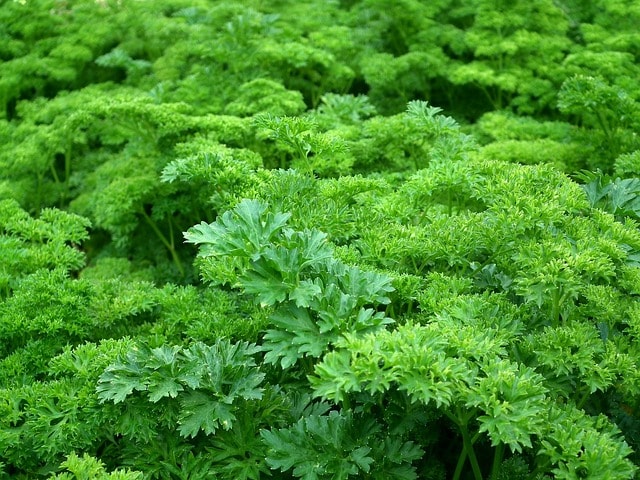
Parsley (Petroselinum crispum) is not only a popular kitchen herb for humans but also a valuable addition to a dog's diet. With a wealth of nutrients and positive properties, parsley offers many benefits for your dog's well-being. Whether as an aid for bad breath, support for the immune system, or to promote digestion – this herb can benefit your four-legged friend in many ways.
In this article, you will learn why parsley is so healthy for dogs, how to dose it correctly, and what special benefits this medicinal herb offers. We will also highlight the role of nutrients like vitamin C, iron, and magnesium and discuss when caution is advised.
Why is parsley good for dogs?
Parsley is a true powerhouse, packed with valuable nutrients. Particularly noteworthy are the vitamins, minerals, and antioxidants it contains, which can promote your dog's health in various ways.
The most important nutrients in parsley:
-
Vitamin C: A powerful antioxidant that strengthens the immune system, protects cells, and supports the body in fighting off diseases.
-
Calcium: Indispensable for strong bones, healthy teeth, and muscle function.
-
Iron: Essential for blood formation and oxygen transport in the body.
-
Magnesium: Supports metabolism, nervous system function, and energy production.
-
Folic acid: Promotes cell growth and regeneration, which is especially important for growing young dogs.
-
Antioxidants: These protect your dog's cells from free radicals that can arise due to stress, environmental toxins, or an unhealthy diet.
In addition to these important nutrients, parsley is also rich in fiber, which supports your dog's digestion, as well as essential oils that have antibacterial effects and can neutralize bad breath.
The effects of parsley: How the herb supports your dog
Parsley has a positive impact on various areas of canine health. It is not only a tasty addition to food but also offers a number of health benefits for your four-legged friend.
1. Support for the immune system
The vitamins contained in parsley, especially vitamin C and vitamin A, strengthen your dog's immune system. They help to ward off pathogens and promote wound healing. Antioxidants also help protect cells from oxidative stress, which is important for healthy aging and your dog's vitality.
2. Promoting digestion
Parsley has digestive properties that can help your dog with gastrointestinal issues such as flatulence or minor stomach upsets. The fiber in the leaves and stems stimulates digestion and ensures a healthy digestive tract. At the same time, parsley helps to reduce flatulence, which is particularly beneficial for sensitive dogs.
3. Fresh breath and healthy teeth
Another major benefit of parsley is its effect on breath. The essential oils in the herb neutralize unpleasant odors in your dog's mouth and ensure fresh breath. At the same time, parsley can serve as a supplement to dental hygiene because it supports the oral flora and inhibits harmful bacteria.
How do you feed parsley correctly?
The right dosage
The amount of parsley you give your dog is crucial. Too much of a good thing can cause gastrointestinal issues or other problems in sensitive dogs. Here are general guidelines:
Small dogs: Up to ½ teaspoon of finely chopped parsley per day.
Medium dogs: Up to 1 teaspoon per day.
Large dogs: Up to 2 teaspoons, divided into two meals.
You can chop the parsley fresh and sprinkle it directly over your dog's food. Alternatively, you can incorporate the herb into dog treats or herbal pastes to offer your dog a tasty and healthy supplement.
Tips for use
-
Use fresh parsley from your garden or buy it at the supermarket. Make sure it is free of pesticides.
-
Parsley can also be used dried. While it contains fewer nutrients than fresh parsley, it is still a good alternative.
-
If your dog does not like parsley, you can combine it with other herbs like rosemary, which are also healthy.
Parsley compared to other herbs
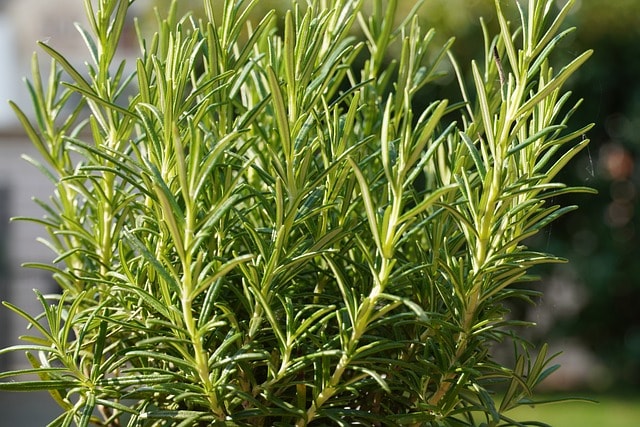
In addition to parsley, there are other herbs suitable for dogs. Rosemary, for example, is also a nutrient-rich herb that possesses antioxidant properties. However, it has a more intense flavor and should be fed in even smaller quantities.
In contrast, parsley is particularly well-tolerated due to its mild flavor, making it one of the best herbs for dogs. Herbs like chives or garlic, on the other hand, are toxic to dogs and should definitely be avoided.
If you want to use herbs as a supplement to your dog's diet, parsley is a safe and versatile choice.
Caution with special circumstances for your four-legged friend
Although parsley offers many benefits, there are situations where caution is advised with animals. Dogs with existing kidney problems should not be given large amounts of parsley because the herb has a diuretic effect and could put additional strain on the kidneys.
Parsley should also be treated with caution in pregnant dogs. In high doses, the herb can trigger contractions, which could be problematic during pregnancy. If you are unsure whether parsley is suitable for your dog, you should consult a veterinarian.
Parsley from your own garden for dogs
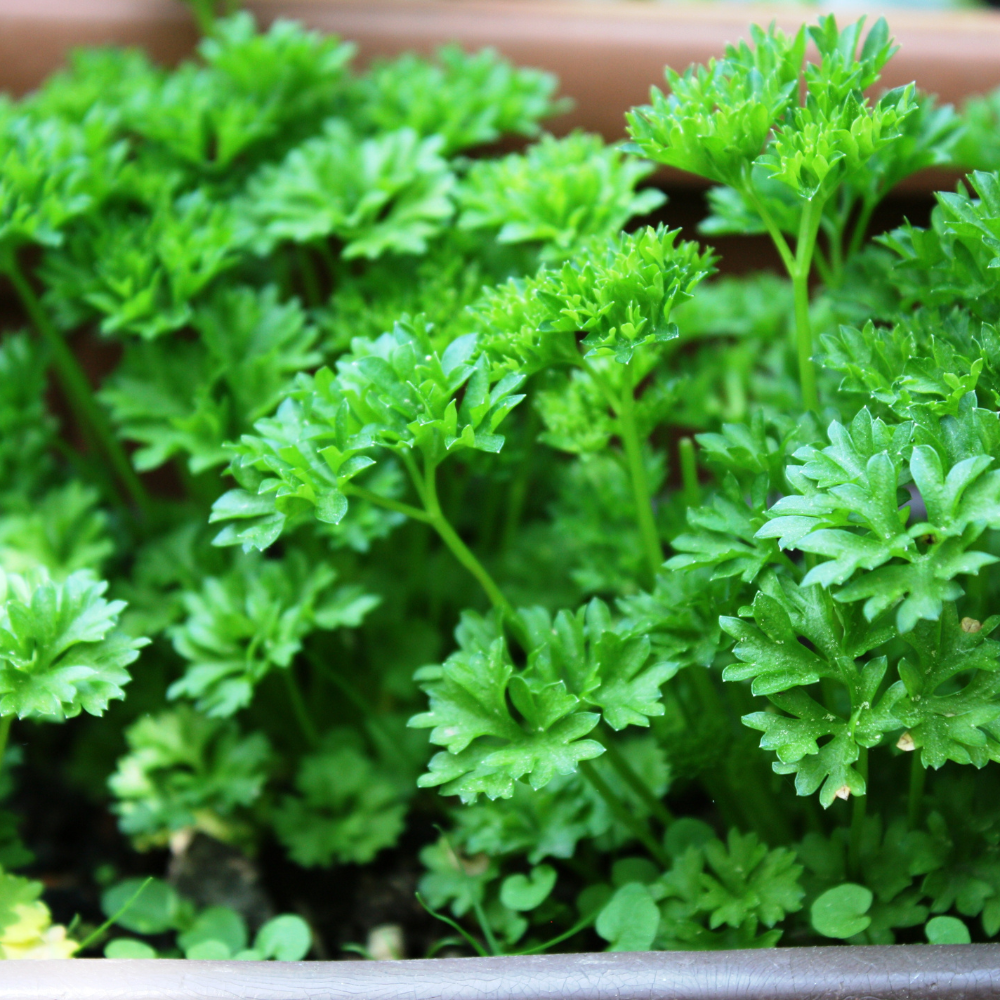
If you grow parsley yourself, you have full control over the quality of the herb. Parsley thrives both in the garden and on the balcony and requires little maintenance. You can harvest the fresh leaves directly and offer them to your dog.
Be sure to wash the plant thoroughly before feeding to remove any potential residues of dirt or insects.
If you do not have fresh parsley on hand, you can also use dried versions – but ensure they do not contain additives such as salt or spices.
Conclusion: A versatile herb for dogs
Parsley (Petroselinum crispum) is a true powerhouse that offers many benefits not only to humans but also to dogs. Through its valuable nutrients such as vitamin C, calcium, and iron, parsley supports the immune system, promotes digestion, and ensures fresh breath.
It is important, however, to feed parsley in moderate amounts and adjust it to your dog's needs. Caution is especially advised with sensitive or pregnant dogs to avoid possible negative effects.
Whether freshly chopped over your dog's food, as an ingredient in homemade dog treats, or from your own garden – parsley for dogs is a healthy and tasty addition to your four-legged friend's diet. Give it a try and discover how your dog can benefit from this versatile herb!