


Meadowsweet herb for dogs: Natural support for joints, stomach and immune system
Meadowsweet (Filipendula ulmaria), also known as the Queen of the Meadow, is a versatile medicinal plant with impressive health benefits for humans and animals. This plant, a member of the rose family, grows primarily in damp meadows, along riverbanks, and in marshy areas and was already valued in the Middle Ages for its healing properties. Meadowsweet can be a valuable aid, especially for dogs, but also for horses.
The natural ingredients of meadowsweet, including essential oils, tannins, flavonoids, vitamin C, and other essential vitamins, have a positive effect on joint function, metabolism, digestion, and the immune system.
Due to the natural content of salicylic acid in meadowsweet—the main component of aspirin—meadowsweet herb is often used as a herbal pain reliever that can gently help with joint problems, inflammation, and pain.
But how exactly does meadowsweet affect dogs? What properties make it so valuable for your four-legged friend's health? And how can you integrate the plant as a single feed into your dog's daily diet?
In this article, you will learn everything about the connection between Filipendula ulmaria and the natural support of joints, the gastrointestinal tract, and the immune system.
Meadowsweet (Filipendula ulmaria): Origin and special ingredients
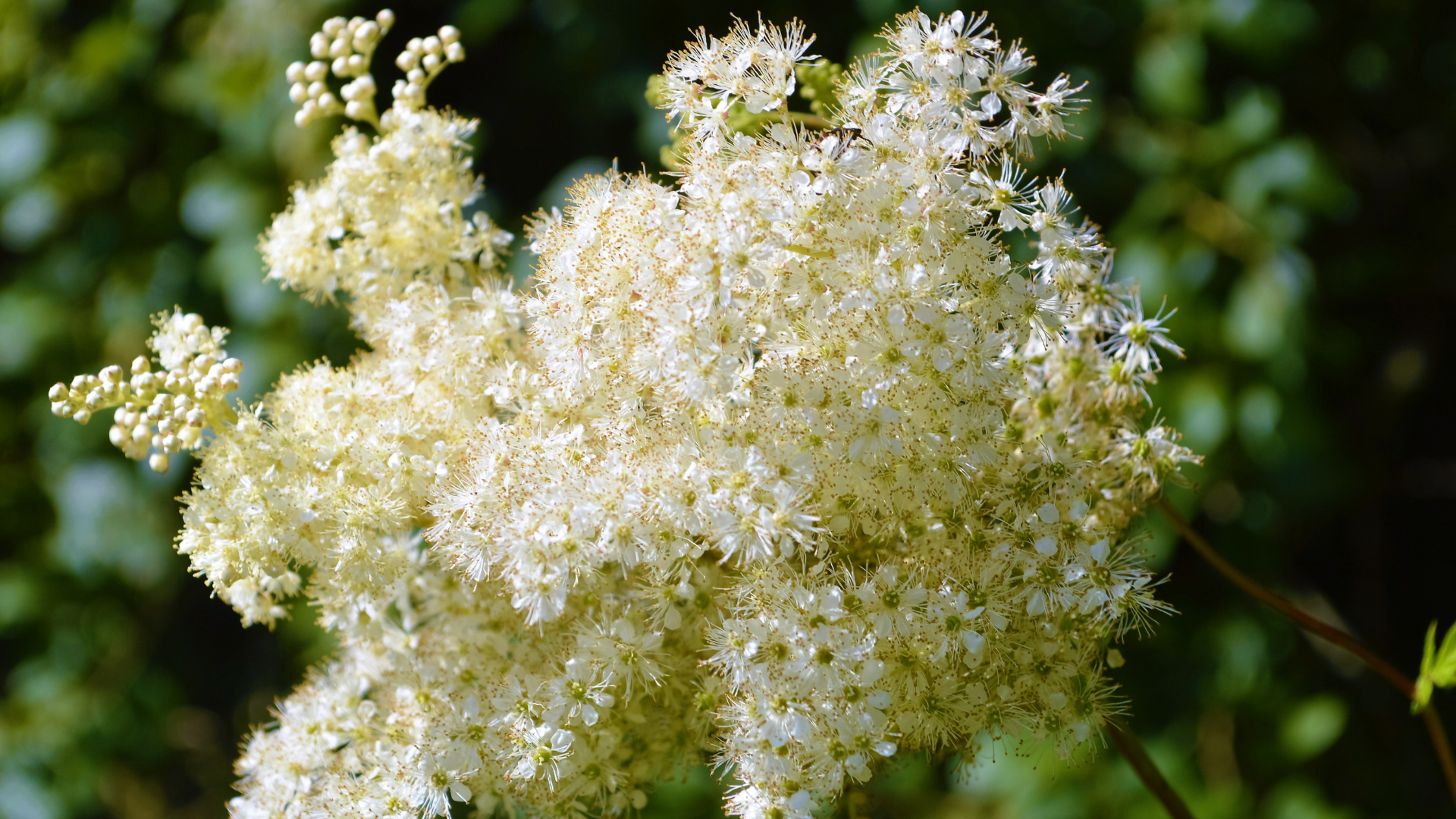
Meadowsweet belongs to the rose family and is a perennial plant that can grow up to 1.50 meters tall. Its characteristic white flowers have an intensely sweet fragrance and contain valuable phytochemicals. The leaves are deep green and slightly serrated, and the stems are firm and robust.
Our ancestors already knew about the healing properties of this special plant. In the Middle Ages, meadowsweet was used as a natural remedy for pain and inflammation, and it is still valued today as a gentle alternative to chemical painkillers.
The most important ingredients in meadowsweet are:
-
Salicylic acid – known for its analgesic and anti-inflammatory effects
-
Essential oils – support blood circulation and promote natural healing
-
Flavonoids – act as antioxidants and strengthen the immune system
-
Tannins – protect mucous membranes and promote the function of the digestive tract
-
Vitamin C – strengthens the immune system and supports metabolism
-
Other vitamins and minerals that have a positive effect on the entire organism
This unique combination makes meadowsweet a valuable supplement for dogs suffering from joint problems, gastrointestinal complaints, or a weak immune system.
Meadowsweet for dogs: Natural help for health and well-being
1. Support for your dog's joints and musculoskeletal system
Many dogs, especially older animals or those with joint problems, suffer from limited mobility. This is where meadowsweet can provide important help. Thanks to the salicylic acid it contains, it acts as a natural pain reliever that can alleviate inflammation in the joints.
The flavonoids and essential oils contained promote blood circulation, which in turn supports the healing of damaged tissue. As a result, meadowsweet can help improve your dog's mobility in the long term and provide them with a better quality of life.
2. Gentle help for the gastrointestinal tract
Meadowsweet has a calming effect on the gastrointestinal tract and can help with problems such as flatulence, stomach irritation, minor infections, or even ulcers. The tannins it contains protect the mucous membranes, while flavonoids have an anti-inflammatory effect.
Dogs with sensitive stomachs or digestive problems, in particular, benefit from the soothing effect of meadowsweet.
3. Strengthening the immune system of dogs
Thanks to its high content of vitamin C and other essential vitamins, meadowsweet can strengthen your dog's immune system. It supports metabolism and helps protect the body against infections, bacteria, and inflammation.
Especially during the cold months or for dogs with a weakened immune system, regular administration of meadowsweet can be a valuable support.
4. Protection of the respiratory tract
The essential oils contained in meadowsweet have an expectorant and calming effect on the respiratory tract. Especially dogs prone to coughing or bronchial complaints can benefit from this property.
Application: How can you give meadowsweet to your dog?
The herb is available in various forms—as a dried herb, as flowers, in powder form, or as a liquid extract. Here are some ways you can integrate it into your dog's daily diet:
-
Dried leaves or flowers: Simply mix into the food.
-
Tea: Pour hot water over the dried meadowsweet, let it cool down, and give it as a drink additive or over the food.
-
Powder or extract: Easily dosable option for targeted support.
The correct amount of meadowsweet for dogs
The dosage depends on the size and weight of the dog:
-
Small dogs (up to 10 kg): 0.5–1 g daily
-
Medium dogs (10–25 kg): 1–2 g daily
-
Large dogs (over 25 kg): 2–3 g daily
Make sure to start with a small amount and observe your dog's reaction.
Are there side effects when using meadowsweet for dogs?
Although meadowsweet is a valuable medicinal plant with numerous positive properties, there are some points you should keep in mind when using it for your dog.
1. Sensitivity to salicylic acid
Meadowsweet contains a natural precursor to salicylic acid, which has a similar effect to aspirin. This means it has anti-inflammatory and pain-relieving effects, but can also trigger unwanted reactions in sensitive dogs.
Especially animals known to have an intolerance to salicylic acid should not receive meadowsweet. Symptoms of intolerance can include:
-
Stomach pain or discomfort
-
Loss of appetite
-
Vomiting
-
Diarrhea
If you are unsure whether your dog is sensitive to this active ingredient, you should first test the administration of meadowsweet in a very small amount and observe your dog's reaction closely.
2. Caution with gastrointestinal problems
Although meadowsweet has a calming effect on the gastrointestinal tract for many dogs, it can also be counterproductive in certain cases. Dogs that already suffer from stomach ulcers, irritated stomach lining, or a tendency to excess stomach acid should only receive meadowsweet with caution or not at all.
While the tannins it contains can have an anti-inflammatory effect, they can also irritate the stomach lining in sensitive dogs, especially if given in too high a quantity.
3. Blood-thinning effect
The salicylic acid it contains has a slightly blood-thinning effect, which is unproblematic in most cases, but should be considered in certain health conditions. Dogs that:
-
suffer from blood clotting disorders,
-
are awaiting surgery or are currently in the process of wound healing,
-
are receiving blood-thinning medication,
should only be given meadowsweet after consultation with a veterinarian.
4. Possible allergic reactions
As with any plant, it is possible for a dog to show an individual intolerance or an allergic reaction to meadowsweet. While this is rare, it cannot be ruled out. Early signs of an allergic reaction can include:
-
Skin rash or itching
-
Redness or swelling
-
Breathing difficulties or coughing
-
Digestive upset such as diarrhea or vomiting
If you notice such symptoms after administering meadowsweet, you should stop use immediately and monitor your dog. In case of strong reactions, a visit to the veterinarian is recommended.
5. Avoid overdosage
As with many medicinal herbs, the rule for meadowsweet is: the right amount is crucial. Too high a dose can lead to stomach upset, diarrhea, or general discomfort.
6. Not recommended for pregnant or lactating bitches
Since meadowsweet can have a blood-thinning effect and could influence hormonal processes, it is not recommended for pregnant or lactating bitches. If you still wish to use it, you should consult a veterinarian beforehand.
Conclusion: Natural power for your dog's health
Meadowsweet (Filipendula ulmaria) is a valuable natural support for dogs with joint problems, gastrointestinal complaints, or a weak immune system. Thanks to the diverse properties of this medicinal plant, your dog can benefit in a gentle way from increased mobility, better digestion, and stronger health.
Use the power of nature for your dog—without synthetic pain medication!