

Ginger for dogs: Everything about effects, use and safety
Have you ever thought about giving your dog ginger? This spicy, aromatic root is not only a true miracle weapon in human nutrition, but it can also offer a variety of health benefits for our four-legged friends. Whether for digestive issues, joint pain, or to boost the immune system – ginger has a lot to offer.
In this article, you will learn why ginger is so healthy for dogs, how to use it safely, and what you should definitely watch out for.
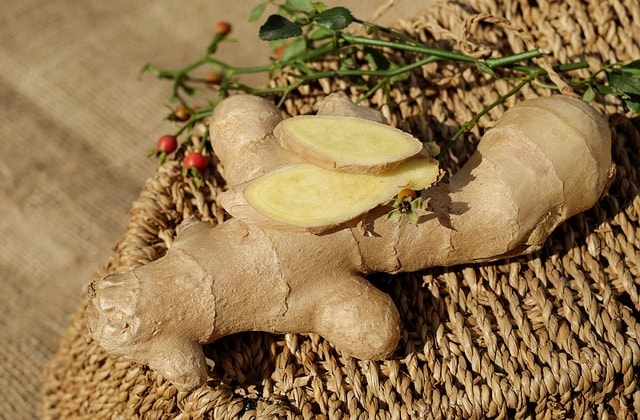
Ginger: What makes the root so special?
Ginger is a tropical plant whose underground rhizome is packed with active ingredients. The most well-known components are gingerol, shogaol, and zingiberene, which can have a variety of positive effects on the body. These compounds are responsible for the root's anti-inflammatory, antioxidant, and digestive-promoting properties.
Thanks to its diverse effects, ginger lives up to its reputation as a natural remedy and can also help alleviate many health problems in dogs.
Why is ginger so good for dogs?
The potential uses for ginger in dogs are diverse. Here are the most important benefits of the root:
1. Digestive support
Dogs can suffer from digestive complaints just like us humans. From bloating and stomach aches to diarrhea – digestive problems are not only uncomfortable but can also indicate a serious disorder. Ginger has a soothing effect on the gastrointestinal tract, promotes bowel motility, and can thus help to relieve discomfort.
2. Alleviation of nausea and motion sickness
If your dog tends to get nauseous while driving or traveling, ginger is a natural helper. The active ingredients in ginger soothe the stomach and can effectively reduce feelings of nausea. This is particularly helpful during long car rides when your dog would otherwise become restless or lethargic.
3. Anti-inflammatory properties
Chronic inflammation, as often seen in arthritis or joint diseases, can significantly impair your dog's quality of life. This is where ginger comes into play: the anti-inflammatory active ingredients can relieve pain and reduce swelling. This makes your dog more mobile and active again.
4. Promotion of blood circulation
Good blood circulation is essential for your dog's health. It ensures that oxygen and nutrients are effectively transported throughout the body. Ginger stimulates blood flow, thus supporting overall vitality and well-being.
5. Strengthening the immune system
Thanks to its antioxidant properties, ginger can strengthen your dog's immune system. It helps neutralize free radicals that can damage cells and supports the body in fighting off diseases.
How can you safely use ginger for your dog?
There are many ways you can incorporate ginger into your dog's diet. It is important that you always start with small amounts and closely observe your dog's reaction.
1. Fresh ginger
Fresh ginger is the purest and most natural form of the root. Peel it, grate it finely, and mix a small amount into your dog's food. For small dogs, 1/8 of a teaspoon is enough; larger dogs can have up to 1/2 a teaspoon.
2. Ginger tea
Ginger tea is particularly gentle for dogs with a sensitive stomach. Cut off a thin slice of ginger, pour hot water over it, and let the tea cool down. Give your dog a few sips, especially if they are feeling unwell or suffering from nausea.
3. Ginger in powder form
If you don't have fresh ginger on hand, you can also use ground ginger. Make sure the powder contains no additives such as sugar or preservatives. The dosage here is the same as for fresh ginger: small dogs get just a pinch; larger dogs can have a little more.
4. Homemade ginger treats
If your dog loves treats, you can easily spice them up with ginger. For example, mix oatmeal, pureed vegetables like pumpkin, and a small amount of grated ginger into a dough. Shape them into cookies and bake them in the oven.
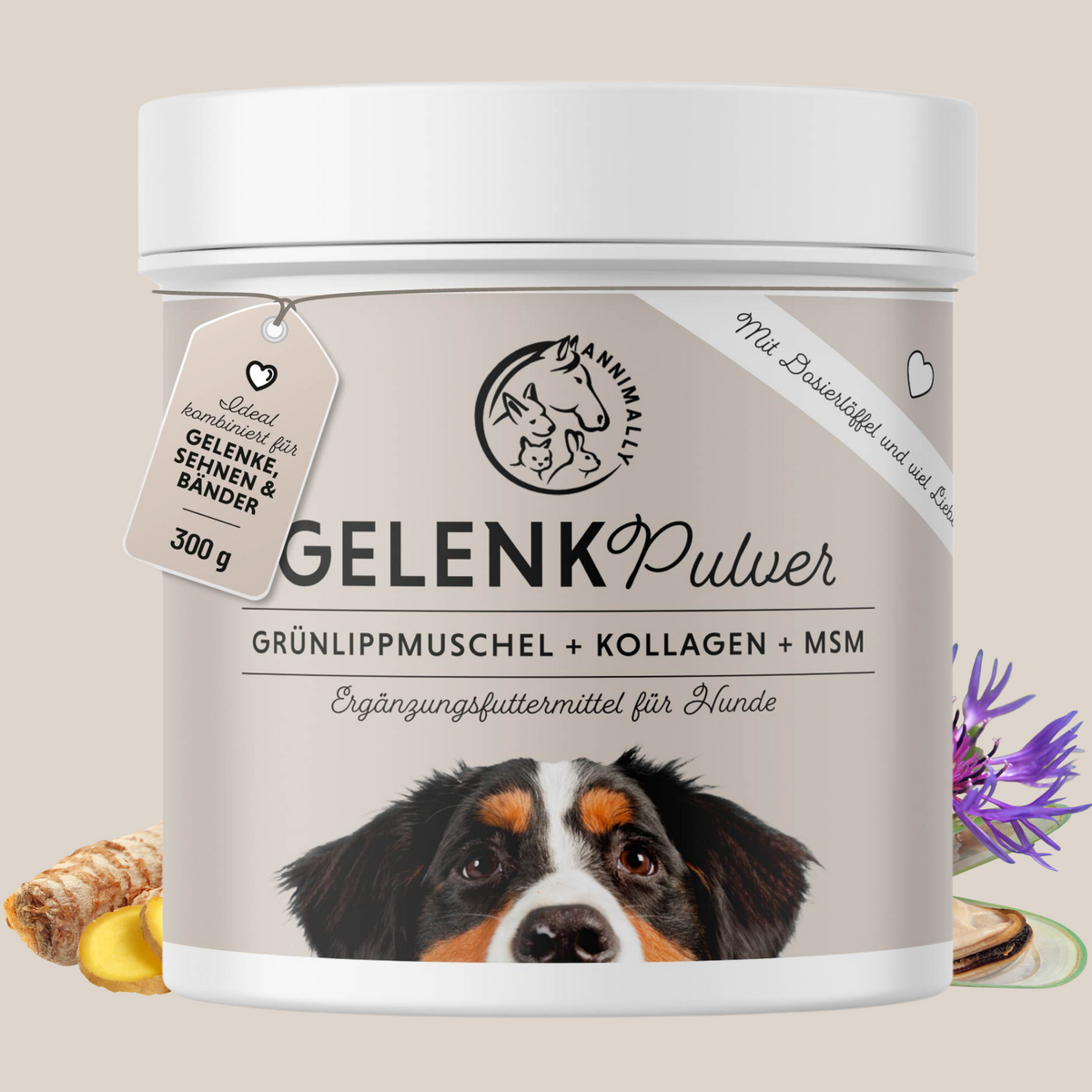
5. Premade nutritional supplements with ginger
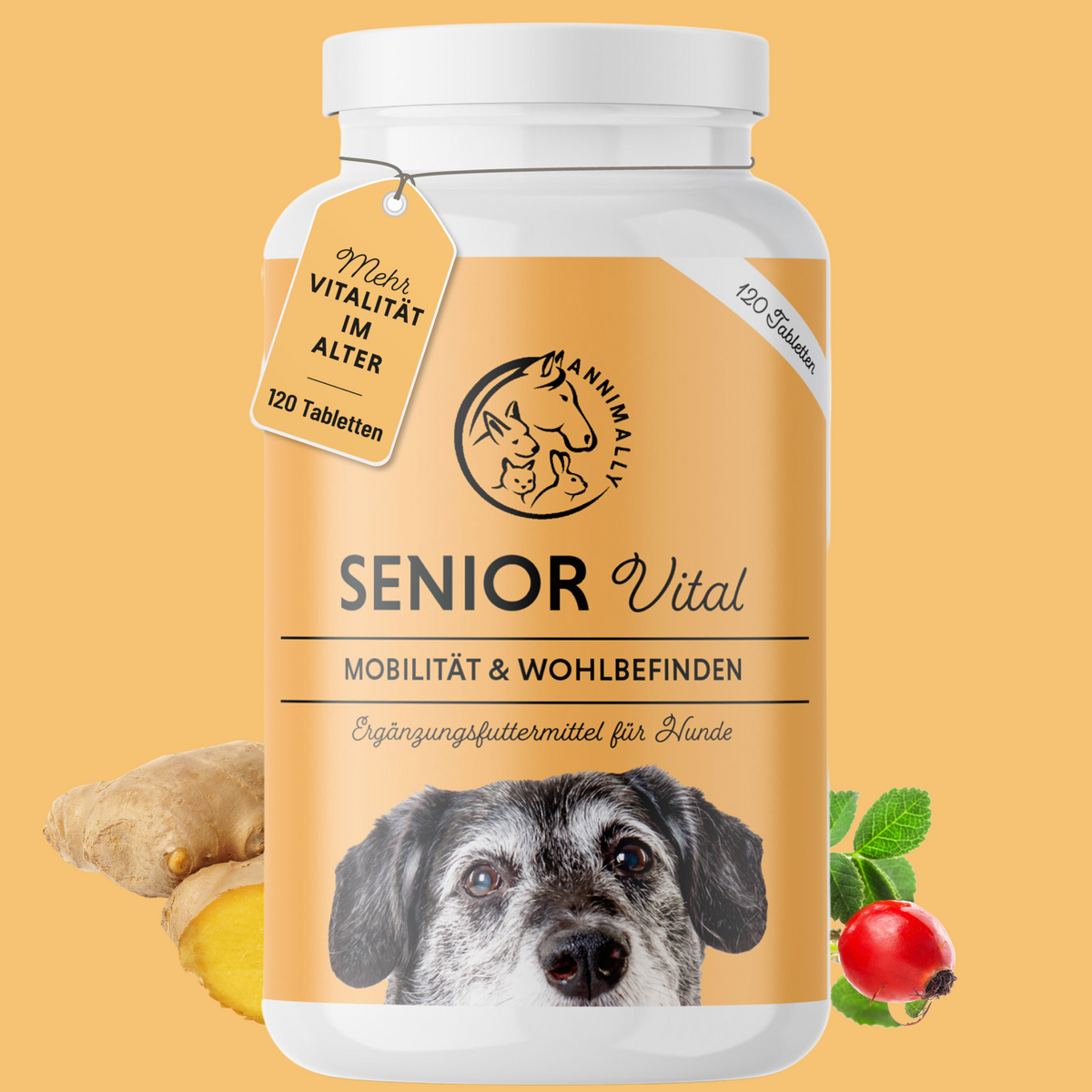
In pet stores and online shops, you will find nutritional supplements that contain ginger. These are specially developed for dogs and are generally safe to use. However, always read the ingredients carefully and ensure the product does not contain any unnecessary additives.
How much ginger is safe for dogs?
The correct dosage depends on your dog's size and weight. Too much ginger can irritate the stomach and even lead to diarrhea, so you should always be cautious.
Recommended daily amounts:
-
Small dogs (up to 10 kg): 1/8 teaspoon of grated ginger
-
Medium-sized dogs (10–25 kg): 1/4 teaspoon of grated ginger
-
Large dogs (over 25 kg): 1/2 teaspoon of grated ginger
Start with half the recommended amount and only increase the dose if your dog tolerates the ginger well.
When should you avoid ginger?
Although ginger has many benefits, there are also situations where you should avoid the root:
1. Sensitive stomach
If dogs react too sensitively to new foods or already suffer from stomach problems, ginger should be introduced very sparingly and with caution.
2. Gallstones or liver problems
Since ginger can stimulate the production of bile, it is not suitable for dogs with gallstones or liver problems.
3. Pregnancy
If your dog is pregnant, you should avoid ginger. In larger amounts, it can stimulate contractions and negatively affect the pregnancy.
4. Medications and pre-existing conditions
Dogs taking blood-thinning medications or suffering from cardiovascular problems should only be given ginger after consultation with a veterinarian.
Tolerance, signs of intolerance, and use in puppies
Not all dogs can tolerate ginger without issues, even though most four-legged friends handle it well. Especially with dogs that are sensitive to new foods or suffer from certain pre-existing conditions, you should be careful and test the introduction of ginger gradually and in small amounts.
But how do you recognize if your dog does not tolerate ginger? Signs like vomiting, diarrhea, or loss of appetite after feeding are clear indications that ginger may not be the right thing for them. In such cases, you should discontinue use immediately and, if necessary, consult your veterinarian.
The question also arises as to whether ginger is suitable for puppies. In principle, young dogs can also benefit from the advantages of the root in very small amounts. However, special caution is required here, and prior consultation with a veterinarian is strongly recommended to ensure that a puppy's sensitive stomach is not burdened.
Step-by-step guide: Incorporating ginger into the diet
Start small
Always begin with a very small amount of ginger to test how your dog reacts to the taste and whether they tolerate the root well. Ginger has a spicy flavor that not every dog likes, so it is important to observe your dog's reaction.
Observe your dog
Pay attention to whether your four-legged friend shows any negative reactions, such as vomiting, diarrhea, or loss of appetite. Should they dislike the taste of ginger or show problems, reduce the amount or try a different preparation method.
Regularity is key
Ginger works best when given regularly, but in small amounts. The spicy ingredients exert their effect over time, especially with continuous use in your dog's diet.
Talk to your veterinarian
If you are unsure whether ginger is suitable for your dog or how to dose it correctly, consult your veterinarian. They can help you find the right amount that suits your dog's individual needs.
Long-term benefits of ginger for dogs
If dogs tolerate ginger well, the root can be used as a long-term natural supplement. It not only supports digestion and the immune system but can also promote general vitality. Older dogs, in particular, benefit from its anti-inflammatory and circulation-promoting properties.
Conclusion: Ginger for dogs - A natural helper
Ginger is a versatile and natural supplement that can help your dog in many ways. From digestive problems to joint complaints – the root has impressive health benefits. It is important, however, that you use ginger in the correct dosage and with caution.