
Carrots for Dogs: Why They Are a Healthy Choice
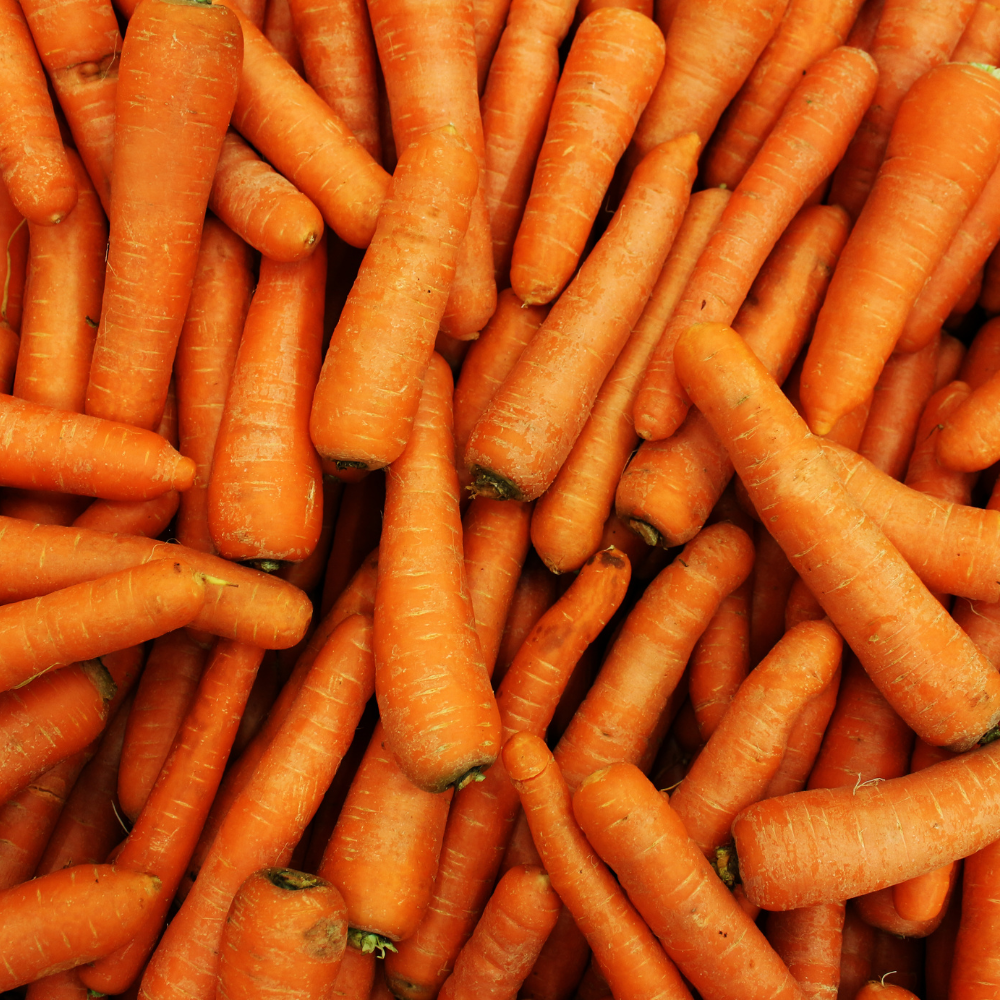
Many dog lovers wonder: Can dogs eat carrots? The answer is clear: Yes, dogs can eat carrots, and for good reasons.
This orange root vegetable offers a multitude of health benefits and can be a valuable addition to your dog's diet. Whether raw, cooked, or as an ingredient in high-quality dog food – carrots support your dog's well-being in many ways and provide an abundance of vitamins, minerals, and dietary fiber.
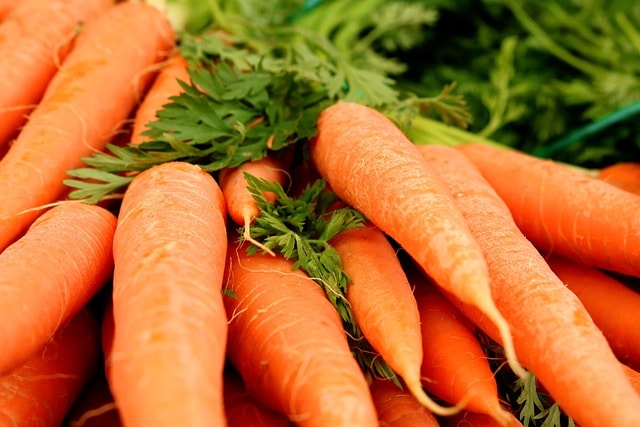
Carrots as a nutrient source for dogs
Carrots are distinguished by their high content of essential nutrients. Among other things, they contain beta-carotene, a precursor to vitamin A, which promotes your dog's vision, strengthens the immune system, and ensures healthy skin and a shiny coat. Furthermore, carrots provide vitamin B6 (B-vitamins for your dog), which is essential for a functioning metabolism, as well as vitamin E, which acts as an antioxidant and contributes to cell health.
In addition to vitamins, carrots also contain valuable minerals that have a positive effect on your dog's health. Especially noteworthy is the amount of potassium, which plays an important role in the body's water balance.
The vegetable also contains fiber, which supports healthy bowel activity and contributes to overall digestive health. Due to the high water content of carrots, your dog takes in an extra portion of fluids with every bite, which can be particularly beneficial on warm days.
Furthermore, carrots are able to bind toxins in the gastrointestinal tract and thus help to regulate digestion.
Carrots as a natural aid for digestive problems
A special advantage of carrots lies in their positive effect on the gastrointestinal tract. Dogs suffering from digestive problems or a sensitive stomach can benefit from the gentle nature of carrots.
Due to their high pectin content, they help to regulate the digestive tract and can have a balancing effect on both diarrhea and constipation. This makes them an ideal ingredient for dogs prone to sensitive digestion or those being carefully reintroduced to solid food after an illness.
Moro carrot soup, which was originally developed to treat diarrhea in humans, has proven particularly effective. By boiling the carrots for a long time, special sugar molecules are created that help to bind and eliminate harmful bacteria in the gut. This effect can also be observed in dogs, making carrots a natural support for gastrointestinal issues.
Carrots can also be used as a natural stomach soother in a dog's general diet. Their gentle effect on the intestinal flora makes them a valuable ingredient in dog food, contributing to stable digestion in the long term.
Moreover, they can help make your dog's stool firmer, which is particularly helpful after episodes of diarrhea.
The right amount of carrots for your dog
Although carrots are healthy, they should be fed in the right amounts. Individual tolerance can vary from dog to dog, and excessive consumption can in some cases lead to flatulence or soft stools. A moderate amount of carrots in the daily diet is therefore ideal.
Small dogs can usually enjoy a small carrot per day without any problems, while medium to large dogs can eat a little more.
If your dog is trying carrots for the first time, you should introduce them slowly and observe how he reacts. A slow introduction prevents digestive problems and ensures that your dog tolerates the carrots well. If your four-legged friend doesn't like carrots right away, you can mix them into their usual food to get them used to the new taste. Alternatively, you can cut them into small pieces or puree them to make them easier to digest.
Carrots as a healthy snack and teeth cleaner for dogs
Many dog owners are looking for healthy alternatives to traditional treats. Carrots are excellent as a natural snack in between meals, as they are low in calories and offer excellent dental care due to their crunchy bite. Young dogs that are teething especially benefit from the firm consistency of carrots, as chewing massages the gums and helps to remove loose baby teeth in a natural way.
Adult dogs can also benefit from this effect, as chewing on a raw carrot supports the cleaning of teeth by naturally abrading plaque. This can reduce the risk of tartar and bad breath.
Another advantage: Carrots contain no added sugar and no artificial additives, which are present in many commercial treats. This makes them an excellent choice for dogs with sensitive digestion or a tendency to gain weight.
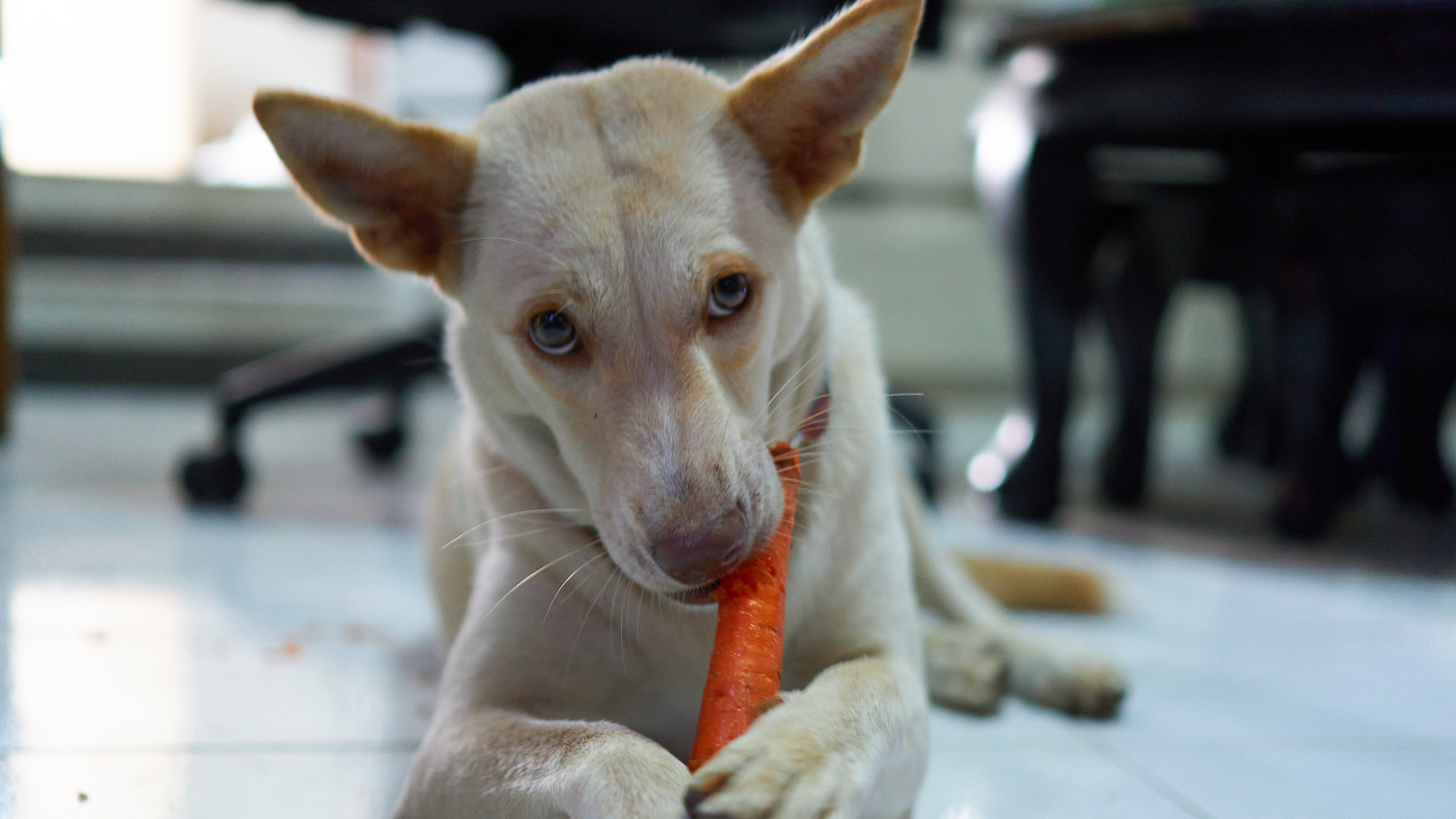
Carrots as a root vegetable in dog nutrition
In addition to fresh carrots, there are numerous ways to integrate this healthy root vegetable into your four-legged friend's diet. Many high-quality dog foods already contain carrots as a natural ingredient because they are not only healthy but also have a pleasant taste that many dogs love.
Furthermore, carrots are available in the form of dried flakes, which can simply be soaked in water and mixed into the usual food. This option is particularly practical for dog owners who value a natural diet but do not always have fresh carrots on hand.
When ordering carrot products for your dog online, look for short delivery times and high-quality ingredients. Also, ensure that there are no unnecessary additives to best support your dog's health.
Conclusion: Carrots as a valuable supplement to dog nutrition
Carrots are an excellent addition to your dog's diet. They provide valuable vitamins, support digestion, and are a healthy snack in between meals.
Whether as a raw piece for nibbling, as part of their food, or as practical flakes – carrots are versatile and contribute to your four-legged friend's health. As long as you take care to feed the right amount and introduce your dog to the vegetable slowly, you can provide him with natural and nutritious enjoyment with carrots.
Especially for dogs with gastrointestinal problems or as a healthy supplement to daily feeding, carrots offer a wealth of benefits that make them an indispensable part of your pet's diet.